
Estimate ETS carbon credits per hectare
See how many carbon credits your bush or regenerating scrub could earn in the NZ Emissions Trading Scheme, and what they might be worth.
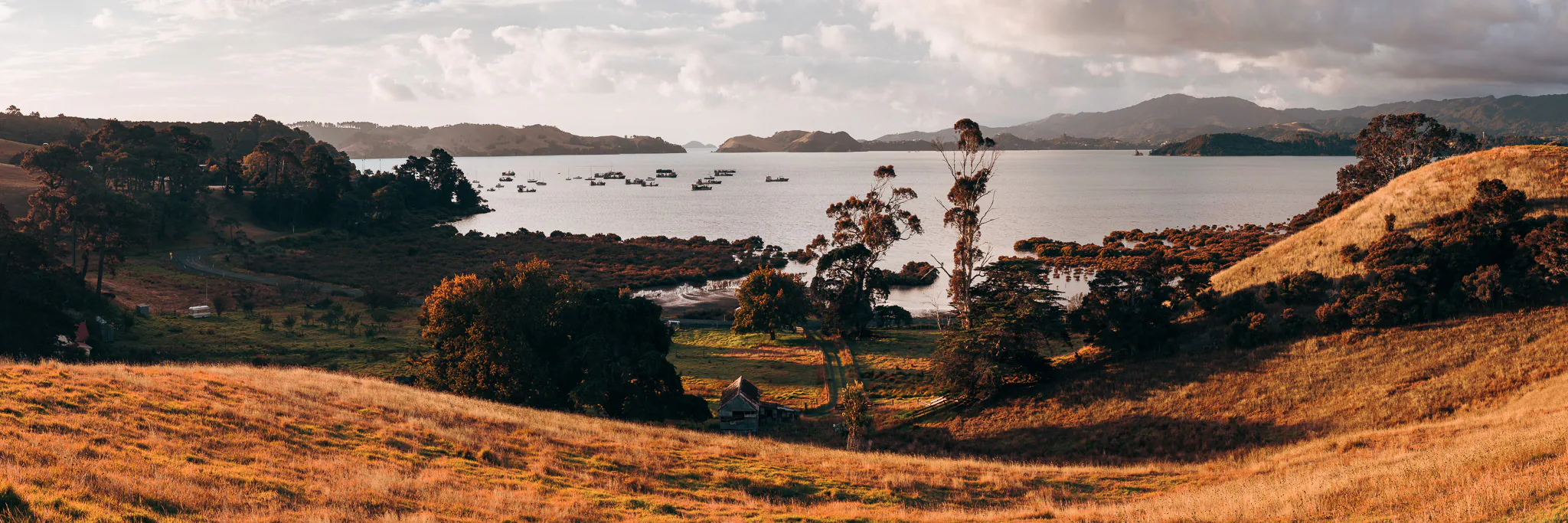
Could your bush or regenerating scrub earn carbon credits?
Even land that doesn't look like a forest today may be able to earn carbon credits. Use our free calculator to see how the NZ ETS could apply to your land and what the credits might be worth.
Include established native bush, regenerating scrub, or areas where native trees are starting to grow through other vegetation. Enter your best estimate. We'll help confirm which areas qualify.
An approximate decade is fine. We can help establish the correct date later.
Native forest established before 1990 generally can't earn credits through the post-1989 forestry scheme. However, parts of your property may still qualify depending on their history.
Not sure when your bush started regenerating? We can help assess your land's history and whether it could earn carbon credits.
To count as forest land in the ETS, an area generally needs to be at least 1 hectare. Get in touch if you're unsure how your land measures up.
How your land could earn carbon credits
Based on about [X] hectares of native bush or regenerating scrub that started growing in the [decade].
Credits vary from year to year as the forest grows. The chart shows how.
Estimates start from 1 January [year], the beginning of the current ETS reporting period.
Areas of 100 hectares or more have other implications in the ETS. Get in touch so we can talk through your options.
We couldn't load today's carbon price, so we're showing credits only.
See the latest price on our carbon price pageThese show the effect of different carbon prices, not different growth.
Your forecast
| Year | Estimated NZUs | Cumulative NZUs | Value at today's price |
|---|---|---|---|
| 2026 | – | – | – |
| Total | – | – | – |
These figures are illustrations based on the standard NZ ETS indigenous forest lookup table and indicative carbon prices. They are not a forecast, offer or promise of returns. Actual credits depend on your land's eligibility, forest characteristics and ETS requirements, and on when and how credits are claimed. Values are gross and exclude costs, fees and tax. An MNF assessment can give you a more accurate picture.
Could your land qualify?
Your land's history and vegetation decide what you can actually earn. We can assess your property for free and explain your options.
How your estimate works
Four things drive every estimate. Knowing them helps you read the numbers with the right expectations.
The area you enter
Credits scale with your hectares. A land assessment confirms which areas actually qualify.
When it started regenerating
The forest's age sets how much carbon it adds each year. We estimate a starting year from the decade you choose.
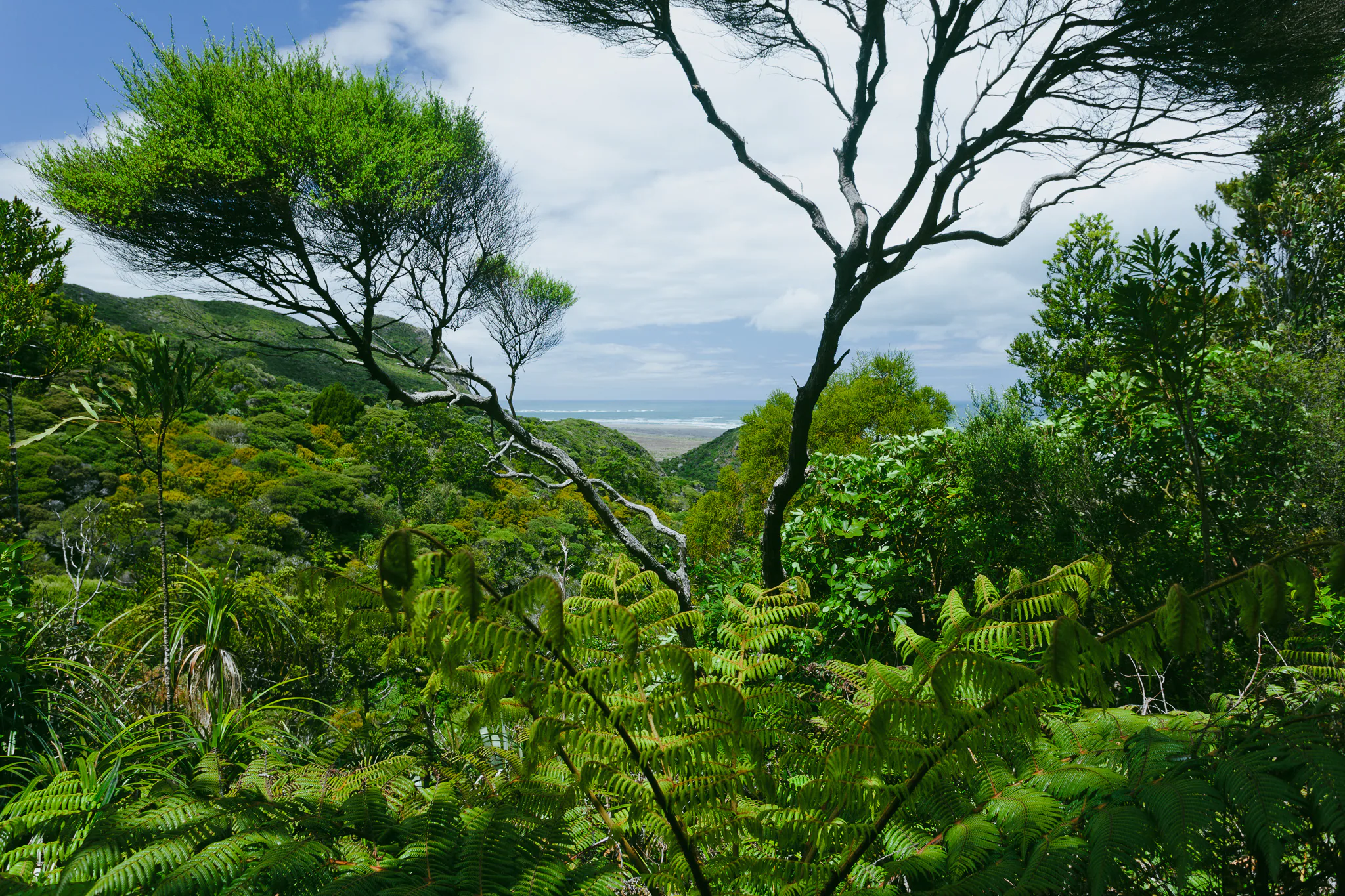
Standard ETS tables
Estimates use the government's default table for native forest, not measurements from your land, and start from the current ETS reporting period.
Today's carbon price
Values use the latest NZU price, with 20% lower and higher scenarios. Prices change daily and aren't guaranteed.
What comes with earning carbon credits
Earning credits is a long-term commitment. Registered forests carry ongoing costs and responsibilities, and we help you plan for them from the start.
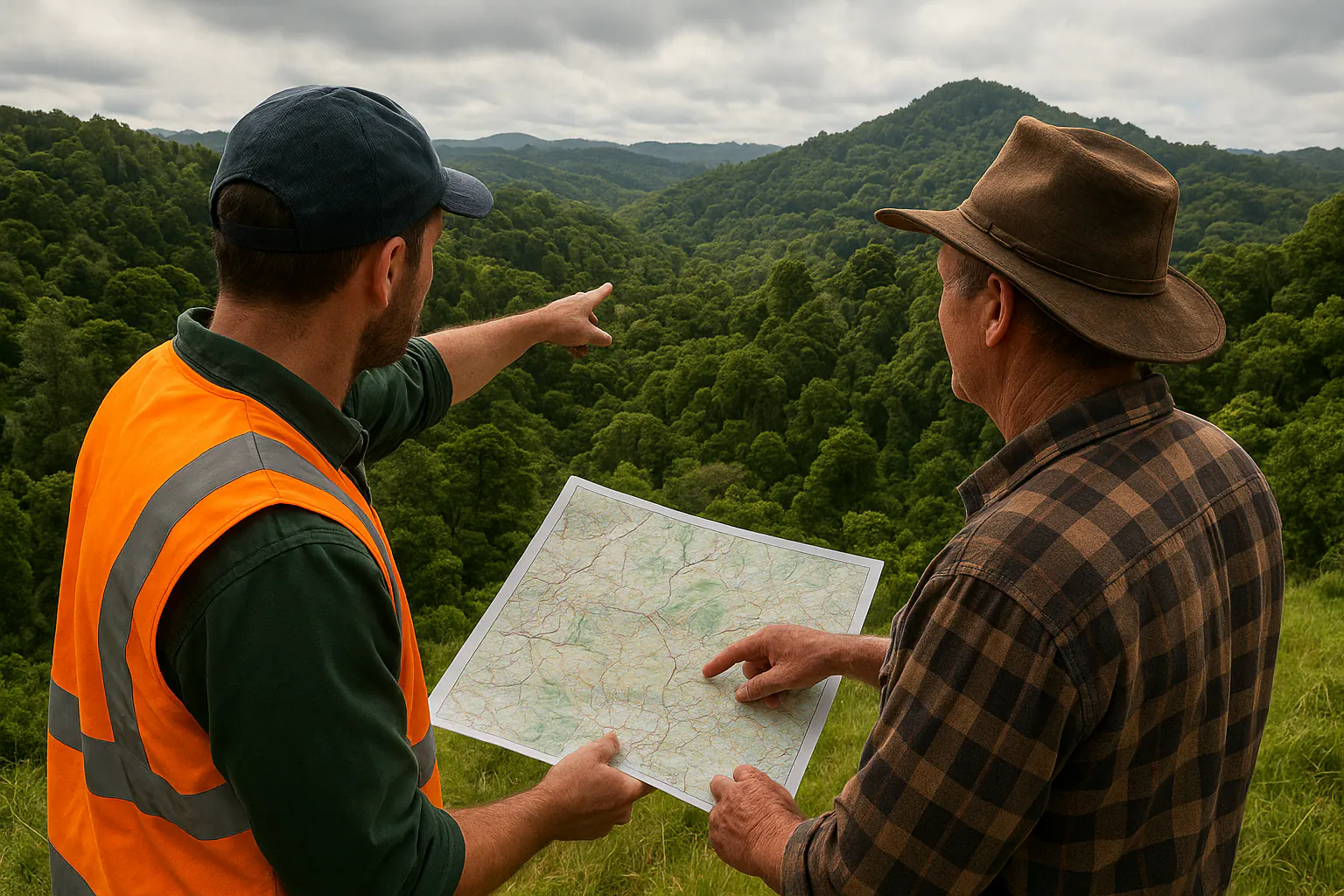
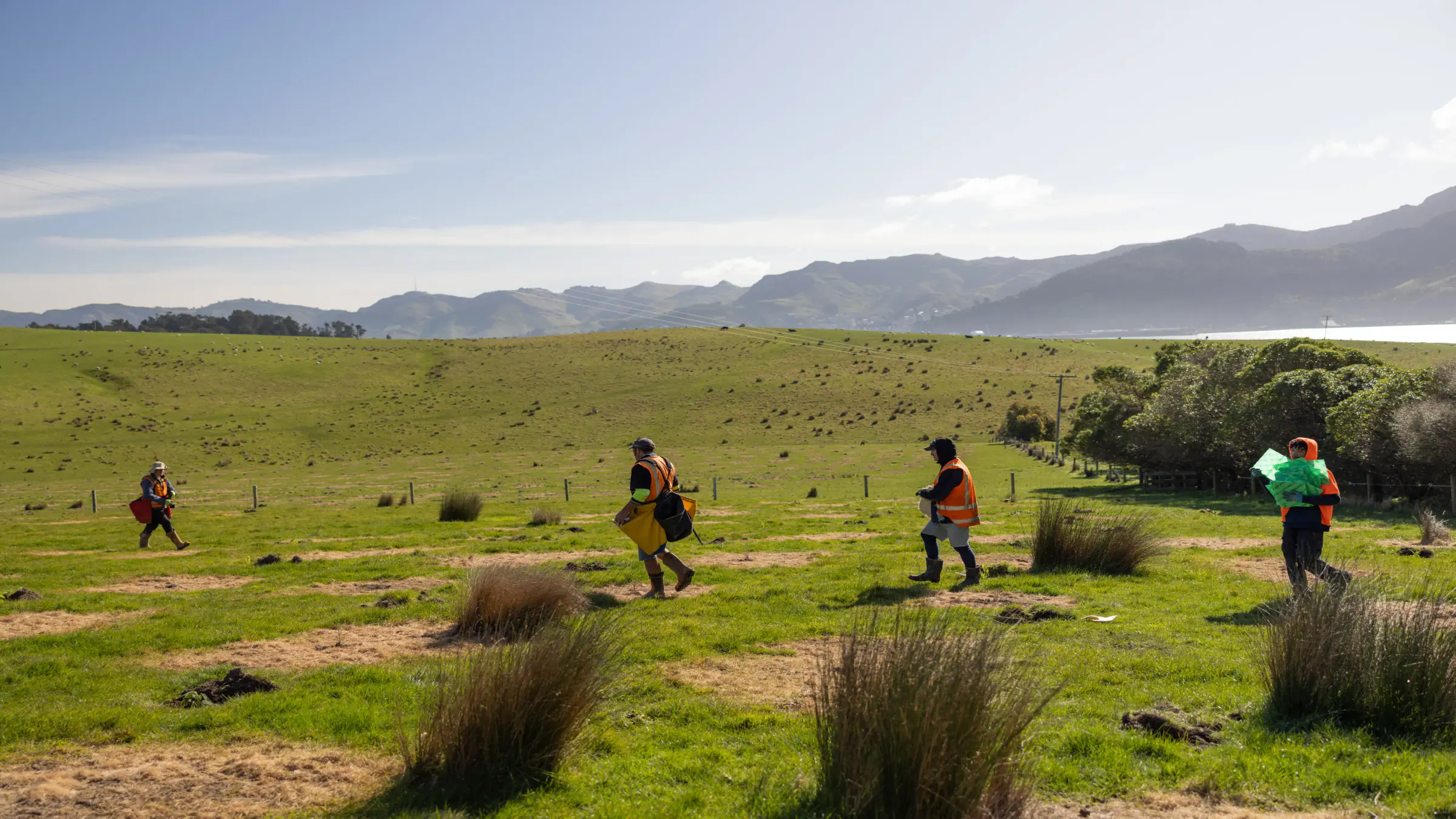
Get your land assessed for free
An estimate is a starting point. We'll check your land's history and vegetation, then explain your options.
Questions about the calculator
How the calculator works, what it leaves out and what happens next.
It's an indicative estimate, not a valuation. It uses the ETS default table for native forest and one starting year for the decade you choose. A free land assessment confirms what could qualify.
The area of bush or regenerating scrub in hectares, and roughly when it started regenerating. An approximate decade is fine.
The average number of NZUs your land could earn each year, what that could be worth at today's price, and a year-by-year breakdown. One NZU (New Zealand Unit) equals one tonne of carbon dioxide equivalent.
Costs, including government and provider fees. The estimate also can't account for your land's history, soil, slope or how the bush has been managed, which all affect what qualifies.
Book a free land assessment. We'll check your land's history, vegetation and area, explain whether it could qualify for the ETS and talk you through your registration options.
Still have questions?
Talk to our team about your land.