Register your native forest in the NZ ETS
We guide you through eligibility, registration and compliance, so your forest earns carbon income while you stay in control of your land.

Proven results for New Zealand landowners
ETS enrolment success rate
Hectares registered and managed
Paid to landowners from carbon credits
When does a native forest qualify?
The ETS has one definition of "forest land." Your native forest qualifies when it meets four checks, and it can be registered even before it's mature, as long as it's likely to reach them.
Size and shape
At least 1 hectare, and an average width of 30 metres or more. Long, thin shelter belts don't qualify on their own.
Tree height
Made up of species that can reach at least 5 metres tall at maturity in the location where they're growing.
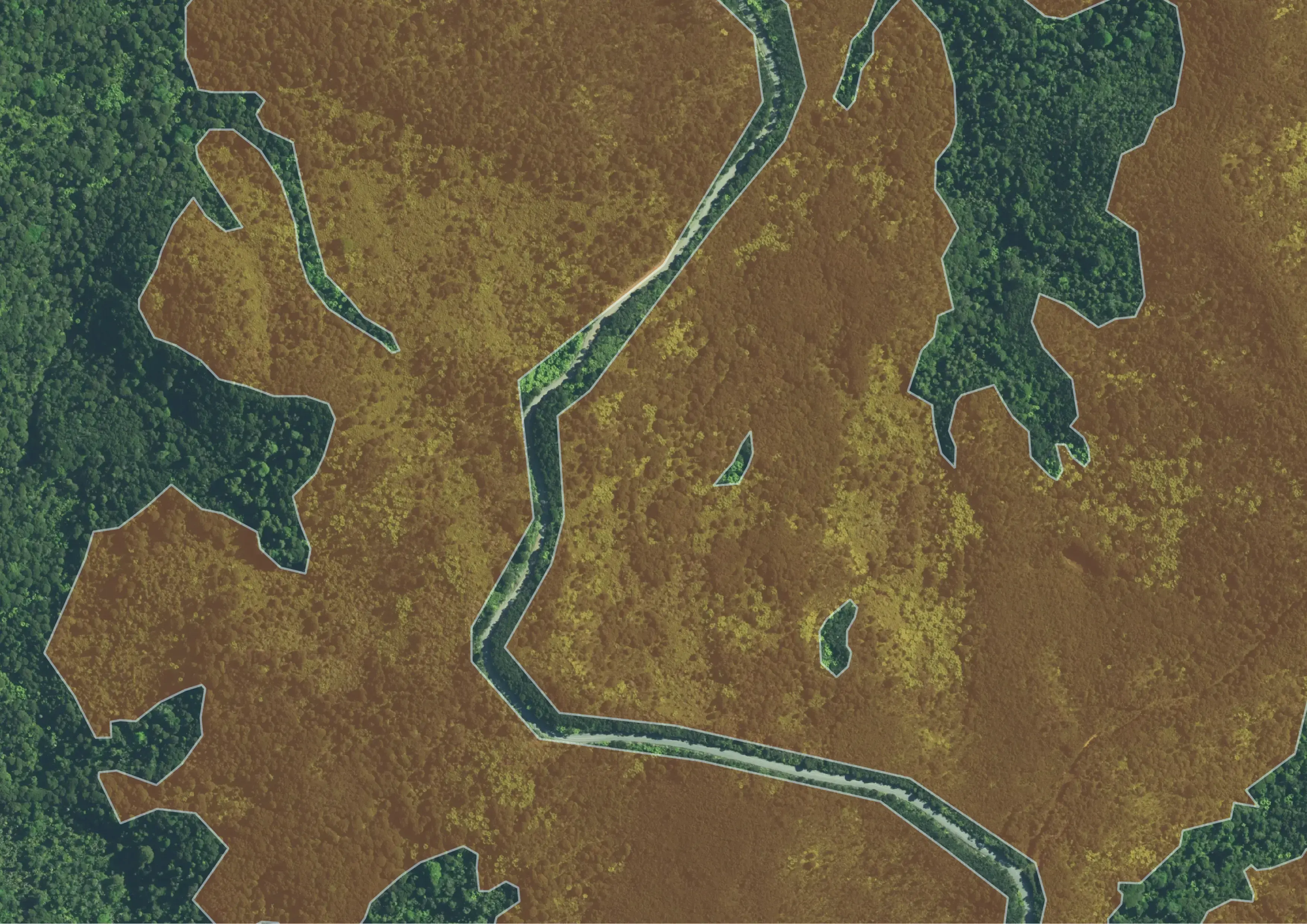
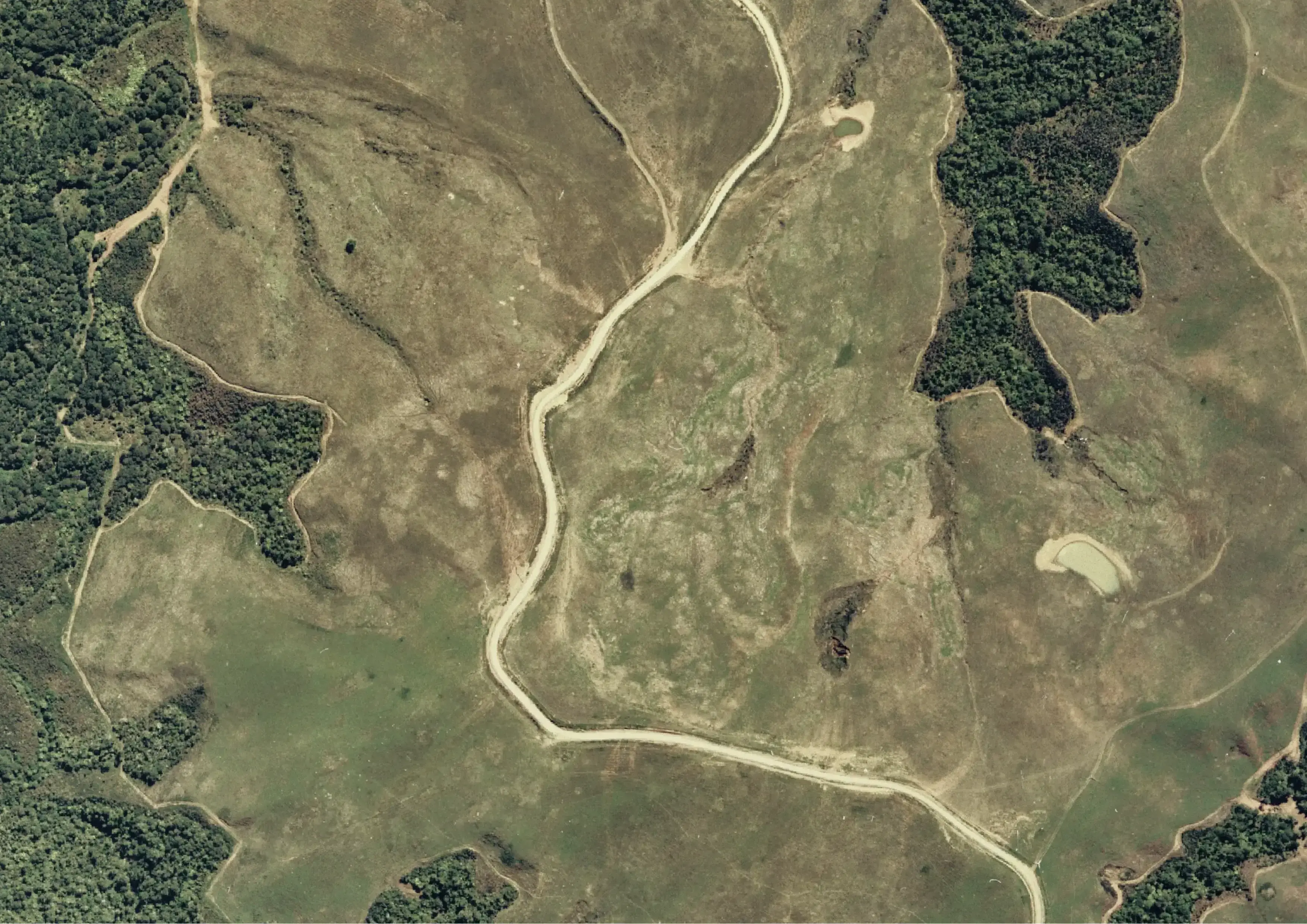
Forest cover in 1989
The land must generally not have been forest land on 31 December 1989, but must now be forested or developing into forest.
Canopy cover
Dense enough to reach at least 30% canopy cover across each hectare. Scattered trees won't meet this on their own.
How NZUs are earned
Three things shape how many carbon units your forest earns, and how quickly.
Forest age and growth stage
Young forests earn slowly at first, then faster as they establish. Your earnings build over time.
Registration category
Permanent category forests keep earning units for the long term. The category you register under shapes both your earnings and your obligations.
Land area and boundaries
More qualifying land means more units. We map your boundaries precisely so nothing eligible is missed.
ETS registration steps
Check eligibility
We confirm your forest meets the four ETS forest-land checks with a free assessment.
Map the forest
We define your boundaries and qualifying area using satellite imagery and ground surveys.
Gather evidence
We pull together the records proving post-1989 status, from planting history or regeneration evidence.
Register and trade
We handle your registration, ongoing reporting and account management. You sell units when the market suits you.
What you're committing to
The ETS is a long-term commitment, and it pays to know exactly what you're signing up for. Here's the honest picture. We manage the reporting and compliance side, so most of this never lands on your desk.
Your forest must stay forested
Registered land stays in forest. If you clear it, you repay the units you've earned. You still own the land and make the decisions, the commitment is simply to keep the forest standing.
Ongoing monitoring and proof
Once registered, you carry ongoing obligations: keep records, report changes, and be able to show your forest still meets the ETS definition. Emissions returns fall due each reporting period, and missed deadlines carry penalties. This is the part we handle for you.
Unit prices rise and fall
NZU prices move with market conditions and government policy. When you sell is your call, and we help you read the market so you can choose your timing.
Selling your carbon units
Once your carbon units have been issued, you decide when to sell. We then provide you with regular market updates on the price and can purchase the credits directly from you at any volume.
Sell to ETS compliance buyers
Hold units and sell when prices suit
Sell to voluntary carbon buyers

Who is this pathway for?
If you have native forest or regenerating bush on your land, the ETS may already apply to you. Here's how it works for different situations.
Landowners
If you own land with native forest or regenerating bush, the ETS offers a pathway to generate carbon income while protecting what grows there. We help you understand whether your forest qualifies and what registration means for your property.
Farmers and growers
Native planting or regeneration on unproductive corners of your farm can build a long-term asset without touching your best land. The ETS rewards that shift, and we guide you through eligibility and registration.
Māori land trusts
Native forest restoration aligns with kaitiakitanga and creates measurable carbon value for your whenua. We work with trusts to map eligibility, navigate registration, and unlock returns that support broader land management goals.
Advisors and developers
Rural advisors, planning consultants, and developers with native reserves can use ETS eligibility as part of land-use strategy and due diligence. We provide the assessment and guidance your clients need to move forward.
"A highly knowledgeable, competent and professional team."
How we help
From first assessment to your first sale, we handle the technical and administrative work so you can stay focused on your land.
Questions
Find answers to common questions about ETS eligibility and native forest carbon.
Your forest generally needs to cover at least 1 hectare, average at least 30 metres wide, contain tree species capable of reaching 5 metres at maturity, and reach 30% canopy cover. The land must generally not have been forest land on 31 December 1989. It can qualify before maturity if it is expected to meet the forest-land requirements.
Yes. Native regeneration on land that was not forest land at the end of 1989 may qualify. We check your forest’s land history and whether it meets the ETS forest-land requirements.
Newly planted native forest can be registered once it's likely to meet the forest-land definition. You earn units as it grows, so the earlier you register, the earlier you start accruing.
Your forest accumulates carbon as it grows, and you claim units through your emissions returns each reporting period. You can claim them yearly.
Keep the land in forest, maintain records, report changes, and submit emissions returns each reporting period. If you clear the forest, you repay the units you've earned. We handle the reporting and compliance side for you.
Still have questions?
Talk to our carbon team
Learn and calculate
Tools and insight to help you weigh up your options.
Carbon price tracker
See what NZUs are trading at today, and how the market has moved.
Native forest carbon calculator
Get a rough estimate of what your forest could earn.
ETS insights and native forest stories
Read case studies, policy updates and regeneration outcomes.
Ready to see if your land qualifies?
Get a free assessment of your forest's potential, your likely returns, and your next steps. No cost, no obligation.