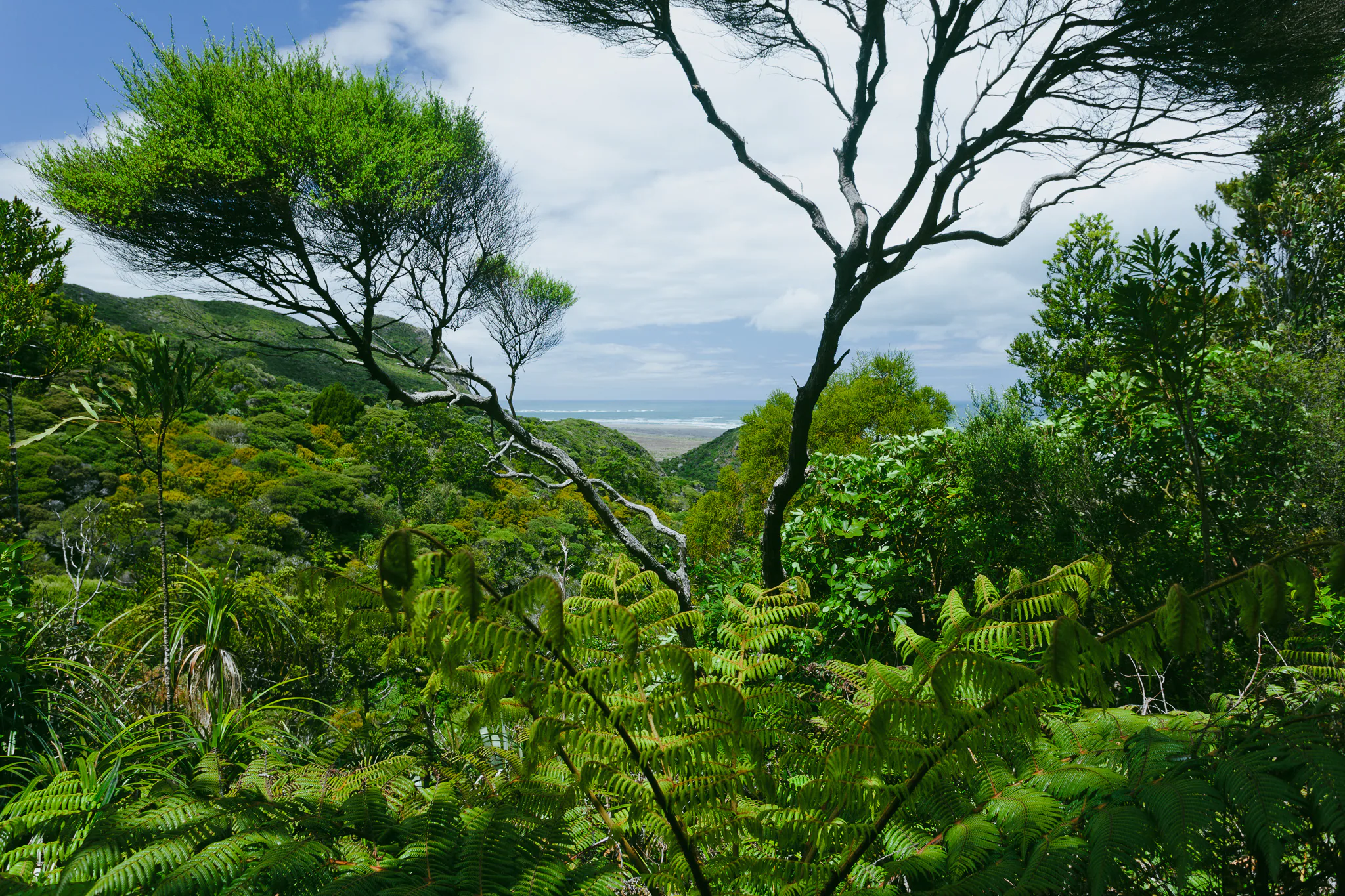
Karo
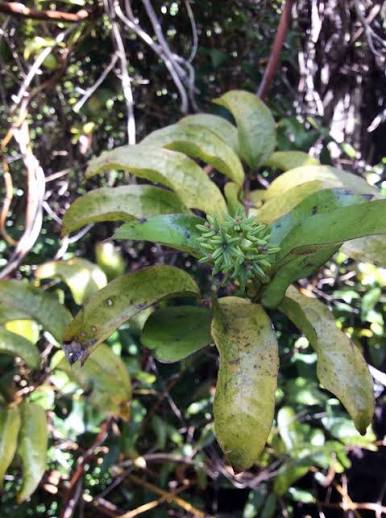
Karo is a small to medium-sized evergreen tree or shrub native to New Zealand. It can grow up to 10-15 meters in height. The leaves are thick, glossy, and have wavy margins.

What to know before you plant
The essentials — how big it gets, how fast it grows, and where it sits in the forest.
Mature height (m)
Mature spread (m)
Successional stage
Form
Mature DBH (cm)
Description
Karo, also known as Pittosporum crassifolium, is a small to medium-sized evergreen tree or shrub native to New Zealand. It can grow up to 10-15 meters in height. The leaves are thick, glossy, and have wavy margins.
Habitat
Karo is found in various habitats in New Zealand, including coastal areas, forests, and shrublands. It can tolerate a range of soil conditions.
Cultural Importance
Karo has cultural significance to Māori. The tree has been used for making tools, weapons, and musical instruments. Its fragrant flowers are also associated with love and romance.
Ecological Role
Karo provides habitat and food for native birds, insects, and other wildlife. The plant contributes to the stability of coastal ecosystems and helps prevent erosion.
Associated Birds
Tui: Tui are known for their melodious and varied songs, and they might visit Karo trees for nectar from their flowers.
Bellbird (Korimako): Bellbirds, with their vibrant plumage and beautiful songs, could be attracted to the nectar-rich Karo blossoms.
Silvereye: These small birds might frequent Karo trees to feed on insects and nectar.
Kākāriki (Parakeet): Depending on the availability of suitable food, Kākāriki might forage for seeds and fruits in Karo trees.
Grey Warbler (Riroriro): These small birds, known for their melodious songs, might find insects and spiders in Karo trees.
North Island Robin (Toutouwai): Robins could be seen searching for insects around the base of Karo trees.
Kererū (New Zealand Pigeon): Kererū might forage on Karo fruits, aiding in seed dispersal.
Conservation Status
Karo is not currently listed as a threatened species. However, local populations can be impacted by habitat loss and competition with invasive species.
Interesting Facts
- Karo produces clusters of small, fragrant flowers that are creamy white or pale yellow in colour.
- The wood of Karo is dense and durable, making it suitable for carving and construction.
Conservation Tips
To support the conservation of Karo and other native plants, you can plant native trees in your area, participate in local restoration projects, and avoid the spread of invasive species.
Growing conditions
Moisture
Soil
Drainage
Frost tolerance
Wind tolerance
Coastal tolerance
What this tree gives back

Food for native birds
Fruit, seeds or nectar that feed native birds.
Supports pollinators
Flowers that sustain native bees and insects.
Erosion control
Roots that bind soil and hold slopes together.

Suits riparian planting
Thrives along stream and river margins.
Suits wetland planting
Handles the wet ground of wetland sites.
More native trees
Explore other species

Ready to plant natives?
Assess your land and discover the right planting approach for your forest.