Kōtukutuku
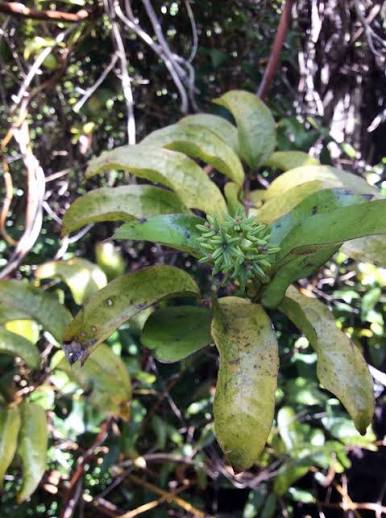
Kōtukutuku can grow up to 12 meters in height and has a distinctive flaky bark. The leaves are oval-shaped, with serrated edges, and have a dark green colour.

What to know before you plant
The essentials — how big it gets, how fast it grows, and where it sits in the forest.
Mature height (m)
Mature spread (m)
Successional stage
Form
Mature DBH (cm)
Description
Kōtukutuku, also known as the tree fuchsia or Fuchsia excorticata, is a tree species native to New Zealand. It can grow up to 12 meters in height and has a distinctive flaky bark. The leaves are oval-shaped, with serrated edges, and have a dark green colour.
Habitat
Kōtukutuku is found in various habitats throughout New Zealand, including forests, wetlands, and stream banks. It prefers moist and shaded areas.
Cultural Importance
Kōtukutuku has cultural significance to Māori. The tree provided a food source, as the berries were eaten when ripe. The inner bark was also used for weaving and making clothing and baskets.
Ecological Role
Kōtukutuku provides habitat and food for native birds, such as tui and bellbirds, which feed on the nectar-rich flowers and the berries. The tree also contributes to the stability of stream banks and helps prevent erosion.
Associated Birds
Silvereye: Silvereyes are small passerine birds with a distinctive white eye ring. They forage for insects and consume nectar from Kōtukutuku flowers.
Fantail: Fantails, or Pīwakawaka, are agile birds known for their fan-shaped tail and acrobatic flight. They may be seen in Kōtukutuku habitats catching insects.
Kākāriki: Kākāriki visit Kōtukutuku trees for their nectar. They also forage for insects and seeds in the tree's foliage.
Tomtit: Tomtits are small birds with distinctive markings. They may forage on Kōtukutuku trees' branches and leaves for insects and spiders.
Grey Warbler: Grey Warblers, or Riroriro, are tiny birds with melodious songs. They may search for insects on Kōtukutuku foliage while constructing their delicate nests.
New Zealand Pigeon: New Zealand Pigeons, or Kererū, are plump, fruit-eating birds. They may feed on Kōtukutuku fruits and disperse its seeds.
Morepork: Moreporks, or Ruru, are nocturnal owls with a distinctive call. They inhabit areas with Kōtukutuku trees and hunt for prey like insects and small mammals.
Conservation Status
Kōtukutuku is not currently listed as a threatened species. However, local populations can be affected by habitat loss, invasive species, and browsing by introduced pests.
Interesting Facts
- Kōtukutuku produces pendulous clusters of distinctive purple and red flowers, which attract native birds.
- The berries of Kōtukutuku are edible and have a tart flavor.
Conservation Tips
To support the conservation of Kōtukutuku and other native plants, you can participate in local habitat restoration projects, avoid the spread of invasive species, and promote the use of native plants in landscaping.
Growing conditions
Moisture
Soil
Drainage
Frost tolerance
Wind tolerance
Coastal tolerance
What this tree gives back

Food for native birds
Fruit, seeds or nectar that feed native birds.
Supports pollinators
Flowers that sustain native bees and insects.
Erosion control
Roots that bind soil and hold slopes together.
Suits riparian planting
Thrives along stream and river margins.

Suits wetland planting
Handles the wet ground of wetland sites.
More native trees
Explore other species

Ready to plant natives?
Assess your land and discover the right planting approach for your forest.