Red Beech
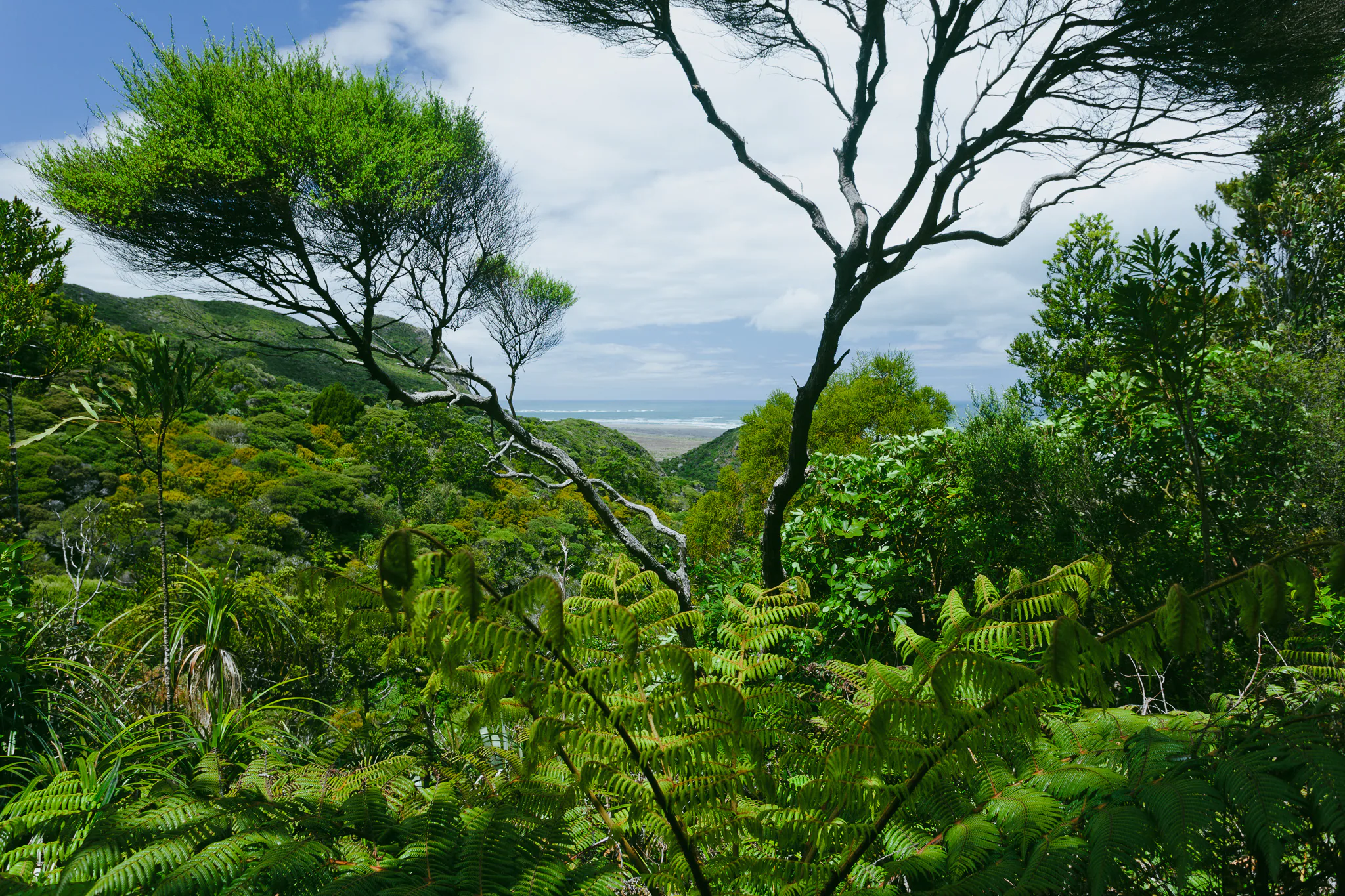
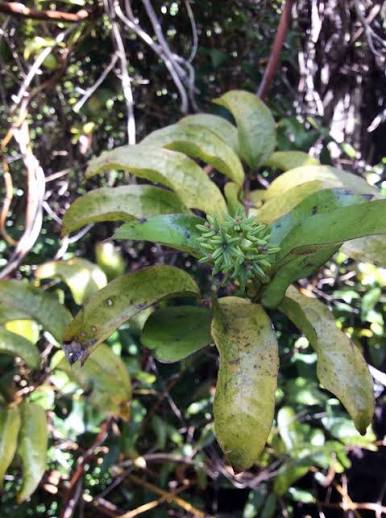
The red or southern beech is a large evergreen tree that can reach heights of 25-35m. The bark is smooth and greyish-brown, while the leaves are glossy and dark green, with a slightly serrated margin.

What to know before you plant
The essentials — how big it gets, how fast it grows, and where it sits in the forest.
Mature height (m)
Mature spread (m)
Successional stage
Form
Mature DBH (cm)
Description
The red or southern beech is a large evergreen tree that can reach heights of 25-35 meters. The bark is smooth and greyish-brown, while the leaves are glossy and dark green, with a slightly serrated margin.
Habitat
Red beech is found in various habitats throughout New Zealand, including lowland forests, wetlands, and subalpine areas. It prefers moist and well-drained soils.
Cultural Importance
Red beech holds cultural significance for Māori. The wood of Nothofagus fusca was traditionally used for carving, construction, and making implements. The tree also features in Māori legends and folklore.
Ecological Role
Red beech is an important component of New Zealand's native forests. It provides habitat and food for a range of native bird species, such as tui and bellbirds. The tree contributes to soil stability and helps maintain the ecological balance of the forest ecosystem.
Associated Birds
Kākā: Large forest-dwelling parrots with vibrant plumage. Kākā are known to feed on the nectar, fruits, and seeds of Red Beech trees. They also play a role in seed dispersal.
South Island Robin: Small passerine bird commonly found in Red Beech forests. They forage on the forest floor, hopping and probing for insects, spiders, and other invertebrates.
Yellowhead: Small songbird endemic to New Zealand. Yellowheads inhabit a range of forest types, including Red Beech forests. They forage on the bark and foliage of trees, searching for insects, spiders, and honeydew.
Tomtit: Small bird species found throughout New Zealand's forests, including Red Beech forests. They are agile insectivores, foraging on tree trunks, branches, and leaf litter in search of insects, spiders, and small invertebrates.
Bellbird: Medium-sized songbird found in native forests across New Zealand, including Red Beech forests. They have a beautiful olive-green plumage and a distinctive bell-like call. Bellbirds primarily feed on nectar obtained from various flowering trees and shrubs, including Red Beech.
Rifleman: One of the smallest bird species in New Zealand. The Rifleman has a vibrant green plumage and can be found foraging for insects and spiders in the foliage of Red Beech trees.
New Zealand Falcon: Medium-sized raptor that inhabits various forest habitats, including Red Beech forests. Falcons hunt for small birds and mammals, utilizing the forest canopy for cover and perching.
Conservation Status
Red beech is not currently listed as a threatened species. However, like other native tree species in New Zealand, it can face threats from deforestation, habitat degradation, and introduced pests.
Interesting Facts
- Red beech is one of the beech tree species found in New Zealand, alongside other species like Nothofagus solandri var. cliffortioides (mountain beech) and Nothofagus menziesii (silver beech).
- The red beech forests are known for their stunning autumn colours when the leaves turn shades of red and gold.
Conservation Tips
To support the conservation of Red beech and other native tree species, you can contribute by planting native trees, participating in habitat restoration projects, and supporting sustainable forestry practices.
Growing conditions
Moisture
Soil
Drainage
Frost tolerance
Wind tolerance
Coastal tolerance
What this tree gives back

Food for native birds
Fruit, seeds or nectar that feed native birds.

Supports pollinators
Flowers that sustain native bees and insects.
Erosion control
Roots that bind soil and hold slopes together.
Suits riparian planting
Thrives along stream and river margins.
Suits wetland planting
Handles the wet ground of wetland sites.
More native trees
Explore other species

Ready to plant natives?
Assess your land and discover the right planting approach for your forest.