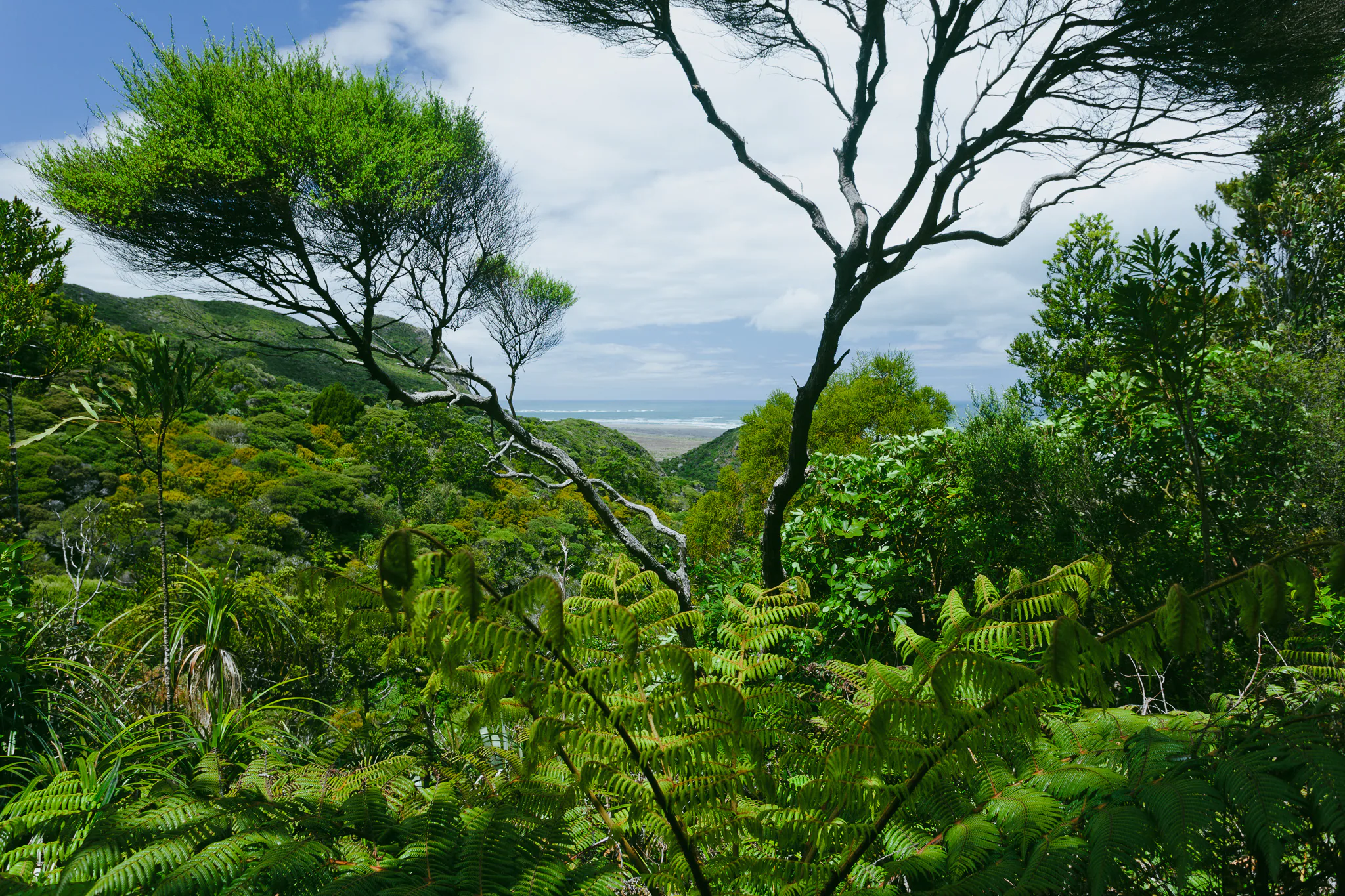
Rewarewa
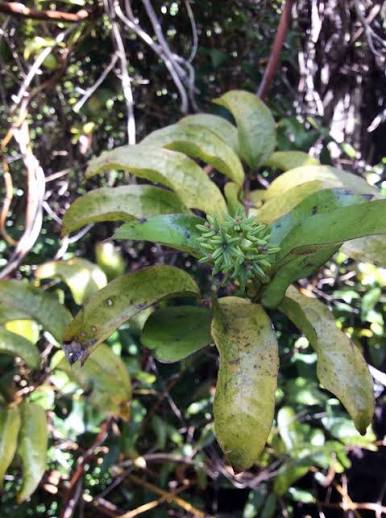
Rewarewa is a large tree species that can grow up to 30 meters tall. It has distinctive, oblong leaves that are up to 20 cm long.

What to know before you plant
The essentials — how big it gets, how fast it grows, and where it sits in the forest.
Mature height (m)
Mature spread (m)
Successional stage
Form
Mature DBH (cm)
Description
Rewarewa is a large tree species that can grow up to 30 meters tall. It has distinctive, oblong leaves that are up to 20 cm long. The tree produces clusters of red flowers that bloom in late spring to early summer.
Habitat
Rewarewa is found throughout New Zealand and is most common in forests in lowland and montane settings.
Cultural Importance
Rewarewa has significant cultural importance to Māori, who have traditionally used the tree for various purposes. The nectar from the flowers was an important food source, and the wood was used for carving and making tools.
Ecological Role
Rewarewa is vital in New Zealand's forest ecosystems, providing habitat and food for various bird and insect species. The flowers are significant for nectar-feeding birds, including tui and bellbirds.
Associated Birds
Tūī: Medium-sized honeyeaters with distinctive white throat tufts. Tūī are attracted to the nectar-rich flowers of Rewarewa trees, where they play a crucial role in pollination. They also have a melodious and complex song.
Bellbird: Medium-sized songbirds known for their beautiful olive-green plumage and distinctive bell-like calls. Bellbirds are attracted to the nectar-producing flowers of Rewarewa trees, feeding on the sweet nectar and also consuming insects and fruits.
Kererū: Large, plump pigeons with iridescent green or blue-green feathers. Kererū play an important role in the pollination and seed dispersal of Rewarewa trees as they feed on their flowers and fruits.
Silvereye: Small passerine birds that frequent Rewarewa trees. They feed on insects, fruits, and nectar, contributing to the pollination of Rewarewa flowers.
Fantail: Agile birds known for their distinctive fan-shaped tail and acrobatic flight. Fantails can often be spotted in Rewarewa trees, hunting insects by fluttering and flicking their tail.
Grey Warbler: Tiny birds with a melodious song. Grey Warblers are commonly found in Rewarewa forests, foraging for insects among the tree's foliage and building their delicate nests on its branches.
Conservation status
Rewarewa is not considered to be a threatened species.
Interesting Facts
- The wood of Rewarewa is highly valued for its strength and durability and has been used for construction and furniture.
- The flowers of Rewarewa are a popular source of honey, and Rewarewa honey is known for its distinctive flavour and high antibacterial properties.
- Rewarewa is also known as the New Zealand honeysuckle due to the similarity of its flowers to those of the honeysuckle plant.
Conservation Tips
While Rewarewa is not currently threatened, it is crucial to be mindful of the impacts of land use change and development on the ecosystems where it grows. Sustainable land management practices, such as erosion control and reforestation, can help to protect and restore Rewarewa habitats. Additionally, care should be taken to avoid overharvesting the flowers for honey production and to ensure that any harvesting is done sustainably and responsibly.
Growing conditions
Moisture
Soil
Drainage
Frost tolerance
Wind tolerance
Coastal tolerance
What this tree gives back

Food for native birds
Fruit, seeds or nectar that feed native birds.
Supports pollinators
Flowers that sustain native bees and insects.
Erosion control
Roots that bind soil and hold slopes together.
Suits riparian planting
Thrives along stream and river margins.

Suits wetland planting
Handles the wet ground of wetland sites.
More native trees
Explore other species

Ready to plant natives?
Assess your land and discover the right planting approach for your forest.