Lease, partner or sell your forest carbon
There's more than one way to turn native forest into value. We help you compare leasing, partnerships and sales, and structure the arrangement that fits your land and your plans.
Where you might be right now
You have native forest, or land that could become one. What you don't have is a clear picture of your options. Maybe you need capital, or you're tired of managing it alone, or you're thinking about an exit. Any of those is a good reason to look at how this could be structured.
You need capital or steady income
You'd rather someone else managed it
You want out, or want a partner in
What makes land suitable
Not every block is a candidate. These are the four things we look for before any structure is worth discussing.
Land that works
Degraded or erosion-prone ground that suits native forest better than what's on it now.
Scale matters
Ten hectares or more, with reasonable access for planting and maintenance.
The long view
You're willing to keep the forest standing for forty years or more.
Regeneration potential
Signs of natural recovery, seed sources nearby, or good prospects for restoration.
Three ways to structure
Each one trades something different. Here's what you keep and what you give up.
Keep the land, lease the carbon
You stay the owner and take steady income. In return, the carbon rights are committed for the term.

Share the cost, share the return
A partner funds the establishment and management. You keep ownership and take a share of the revenue rather than all of it.

Sell and walk away
Land and rights transfer for a capital sum. You get certainty now instead of income over decades.

How we help you decide
The decision is yours. Our job is to make sure you're making it with the full picture: what your carbon is worth, what each structure would mean for your land, and who's actually out there.
We value your carbon potential
We assess how forest fits your land and your plans
We introduce you to partners and buyers worth talking to
Why the right structure counts
These arrangements run for decades. Your structure decides who owns the land, who carries the obligations, who takes the revenue, and who holds the carbon rights. It's not a decision you get to make twice.
Who owns the land, and who decides what happens on it
Who takes the revenue, and on what terms
Who holds the ETS registration and the right to sell units

How we work
Three steps to a clear decision
Assess your opportunity
We look at your land, its forest potential and what you're trying to achieve.
Compare your options
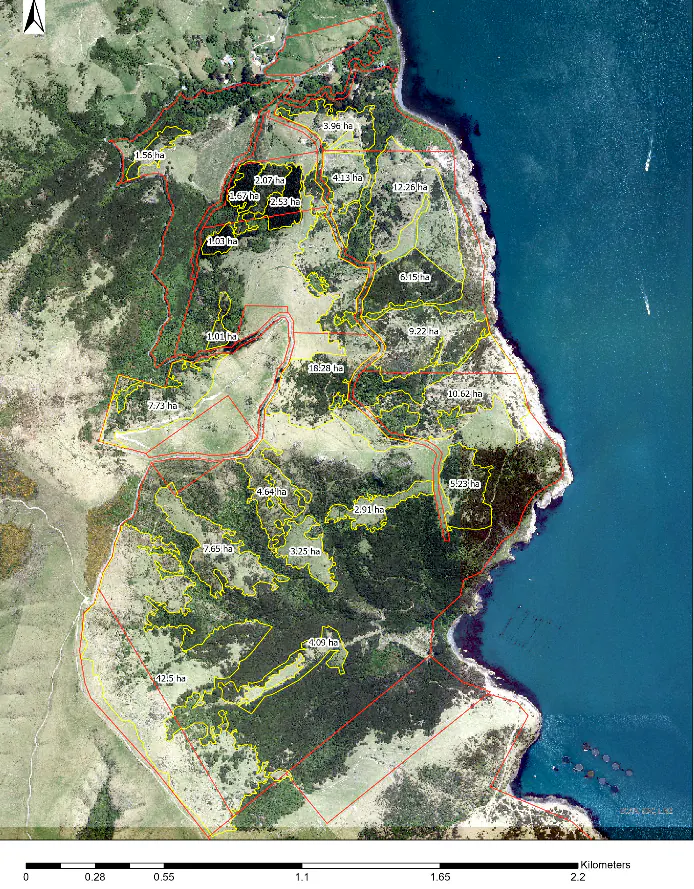
We put leasing, partnerships and sales side by side against your situation, and recommend how to structure it.
Make the connection
We identify who'd be a good fit, approach them, and tee up the conversation. Your lawyer and accountant take it from there.

Questions
Find answers to common questions about structuring your forest opportunity.
Leasing keeps ownership while generating income from carbon. Selling transfers the land and rights permanently. It comes down to your long-term plans, whether you need capital now, and how involved you want to stay.
Carbon rights are the legal entitlement to generate and sell carbon units from your forest. You can keep the land and sell the carbon rights, or bundle them together in a sale or lease.
A partner shares the costs, risks and benefits with you. Typically you keep ownership and take a share of the carbon revenue rather than all of it. We help you find the right partner and structure the arrangement.
NZUs are New Zealand Units under the NZ ETS. One NZU equals one tonne of carbon dioxide equivalent. Your native forest earns NZUs, which you can hold, sell, or a buyer can cancel to support a voluntary climate claim.
It depends on the structure. In a lease, you stay the owner. In a sale, the buyer owns it. In a partnership, you usually keep ownership and share the management decisions.
Still have questions?
Get in touch with our team for a conversation.
Ready to talk it through?
Tell us about your land and what you're trying to achieve. We'll show you what the options look like.