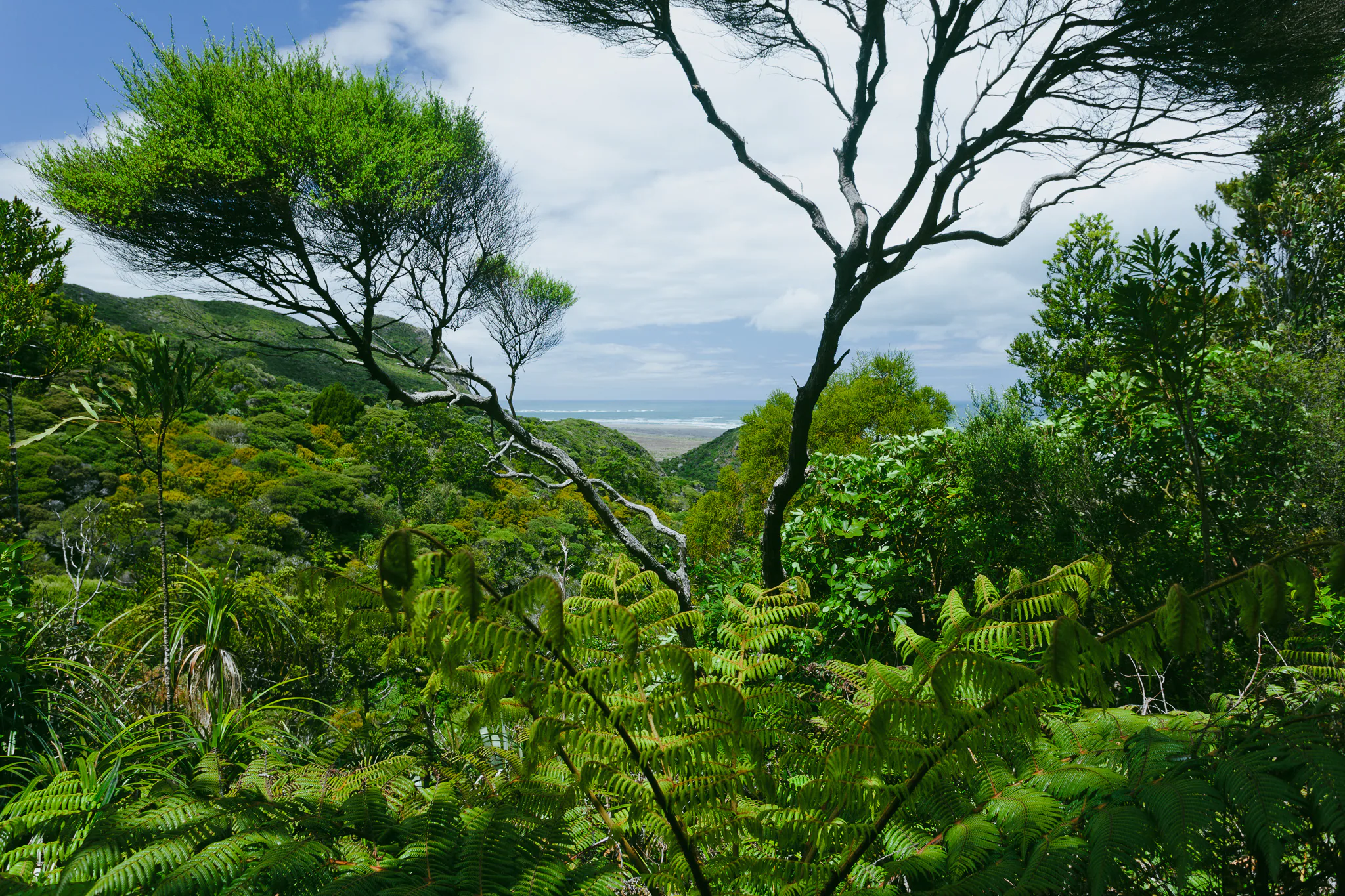
Akeake
Akeake is a hardy evergreen native shrub or small tree that typically grows around 4–8 metres tall, although larger specimens can develop under favourable conditions.
What to know before you plant
The essentials — how big it gets, how fast it grows, and where it sits in the forest.
Mature height (m)
Mature spread (m)
Growth rate
Successional stage
Form
Mature DBH (cm)
Description
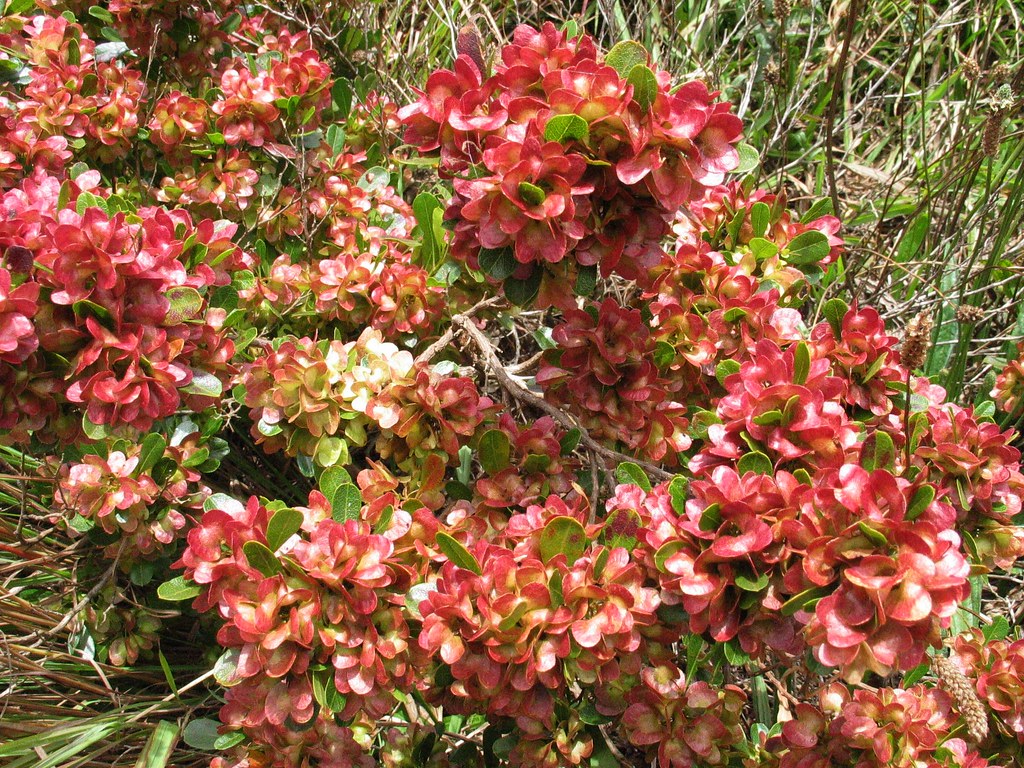
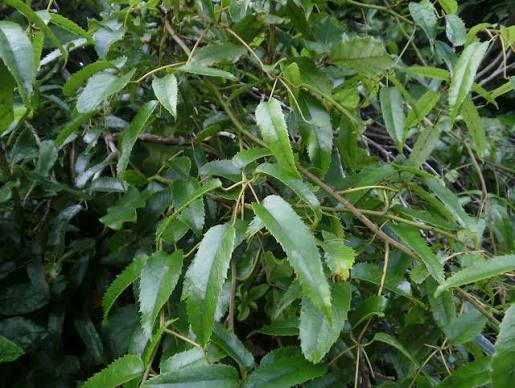
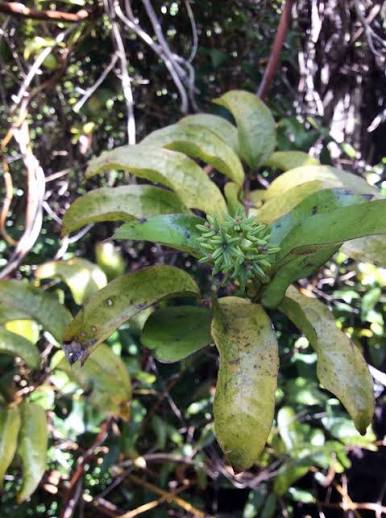
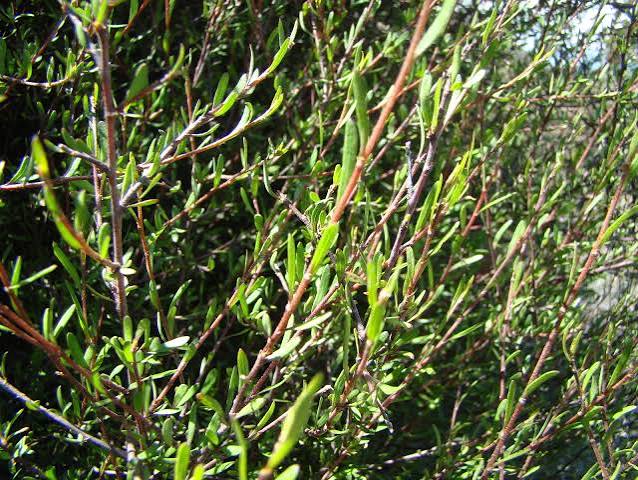
Akeake (Dodonaea viscosa) is a hardy evergreen native shrub or small tree that typically grows around 4–8 metres tall, although larger specimens can develop under favourable conditions. It has narrow, leathery, yellow-green to dark green leaves and a dense, branching growth habit. The small flowers are relatively inconspicuous and lack showy petals. They are followed by distinctive papery, winged seed capsules that mature from green to reddish-brown or brown. These lightweight capsules and seeds are readily dispersed by wind. Akeake is particularly well adapted to exposed environments and can develop a compact, wind-shaped form on harsh coastal sites.
Habitat
Akeake is indigenous to New Zealand and is most characteristic of coastal and lowland environments, particularly in warmer parts of the country. It grows naturally in coastal forest and shrubland, on cliffs, rocky slopes, dunes, forest margins and other exposed sites. Akeake tolerates strong winds, salt spray, drought and relatively dry, free-draining soils, making it well suited to difficult coastal conditions. It is also capable of establishing on disturbed and open ground and can contribute to the early stages of native vegetation recovery.
Cultural Importance
Akeake has long been valued by Māori for its exceptionally hard and durable wood. The dense timber was used for tools and implements requiring considerable strength, including weapons and digging tools. Its name is associated with strength and endurance, reflecting the toughness of both the wood and the living plant. Akeake remains valued today as a resilient native species for coastal restoration, shelter planting and revegetation of exposed landscapes.
Ecological Role
Akeake is an important hardy shrub or small tree in coastal and regenerating vegetation. Its dense branches and evergreen foliage provide shelter for insects, lizards and birds, particularly in exposed areas where taller forest vegetation may be absent. The flowers are primarily wind-pollinated rather than relying heavily on nectar-feeding birds. Its winged fruits allow seeds to spread into open and disturbed ground. By establishing in dry, windy environments, akeake can provide shelter that improves conditions for less exposure-tolerant native plants and contributes to the development of more complex shrubland and forest.
Associated Birds
Tauhou/Silvereye: Tauhou frequently forage through dense native shrubs and small trees in search of insects and other invertebrates. Akeake's closely branched foliage provides sheltered feeding and resting habitat, particularly in exposed coastal environments where dense vegetation offers protection from strong winds.
Riroriro/Grey Warbler: Riroriro forage among the leaves and branches of shrubs and trees for insects, spiders and other small invertebrates. Dense akeake vegetation provides useful foraging habitat and contributes to the layered shrub cover these small native birds use for shelter and nesting.
Pīwakawaka/Fantail: Pīwakawaka commonly forage around forest margins, shrublands and regenerating vegetation. They catch small flying insects around the foliage and branches of plants such as akeake, making use of the sheltered microhabitats created by dense coastal and lowland vegetation.
Conservation Status
Akeake is classified as Not Threatened in New Zealand. It remains widespread in suitable habitats and is also commonly planted because of its ability to tolerate wind, drought and coastal exposure. Natural populations can still be affected by coastal development, habitat clearance, browsing animals and competition from invasive plants, particularly where remnants of indigenous coastal vegetation have become fragmented.
Interesting Facts
- Akeake is one of New Zealand's particularly hardy coastal native trees and can tolerate strong winds and salt-laden conditions.
- Its timber is exceptionally dense, hard and strong.
- The small flowers do not have conspicuous petals and are primarily pollinated by wind.
- Its fruits develop distinctive papery wings that help the seeds disperse in the wind.
- The seed capsules can become attractive reddish or purplish tones before drying to brown.
- Akeake tolerates dry, free-draining and relatively nutrient-poor soils once established.
- Plants growing in exposed coastal locations can become compact and strongly shaped by prevailing winds.
- Its resilience makes akeake useful as an early shelter species in coastal restoration projects.
Conservation Tips
Akeake is particularly valuable for restoring exposed coastal and lowland sites. Planting it on well-drained slopes, coastal margins and other windy locations can establish hardy native cover and create shelter for more sensitive species. Protecting young plants from browsing animals and controlling invasive weeds will improve establishment. Where possible, locally sourced plants should be used in ecological restoration so that plantings reflect the genetics and natural vegetation of the surrounding area.
Growing conditions
Sun
Moisture
Soil
Drainage
Frost tolerance
Wind tolerance
Coastal tolerance
What this tree gives back

Food for native birds
Fruit, seeds or nectar that feed native birds.

Supports pollinators
Flowers that sustain native bees and insects.
Erosion control
Roots that bind soil and hold slopes together.
Suits riparian planting
Thrives along stream and river margins.
Suits wetland planting
Handles the wet ground of wetland sites.
More native trees
Explore other species

Ready to plant natives?
Assess your land and discover the right planting approach for your forest.