Black Beech
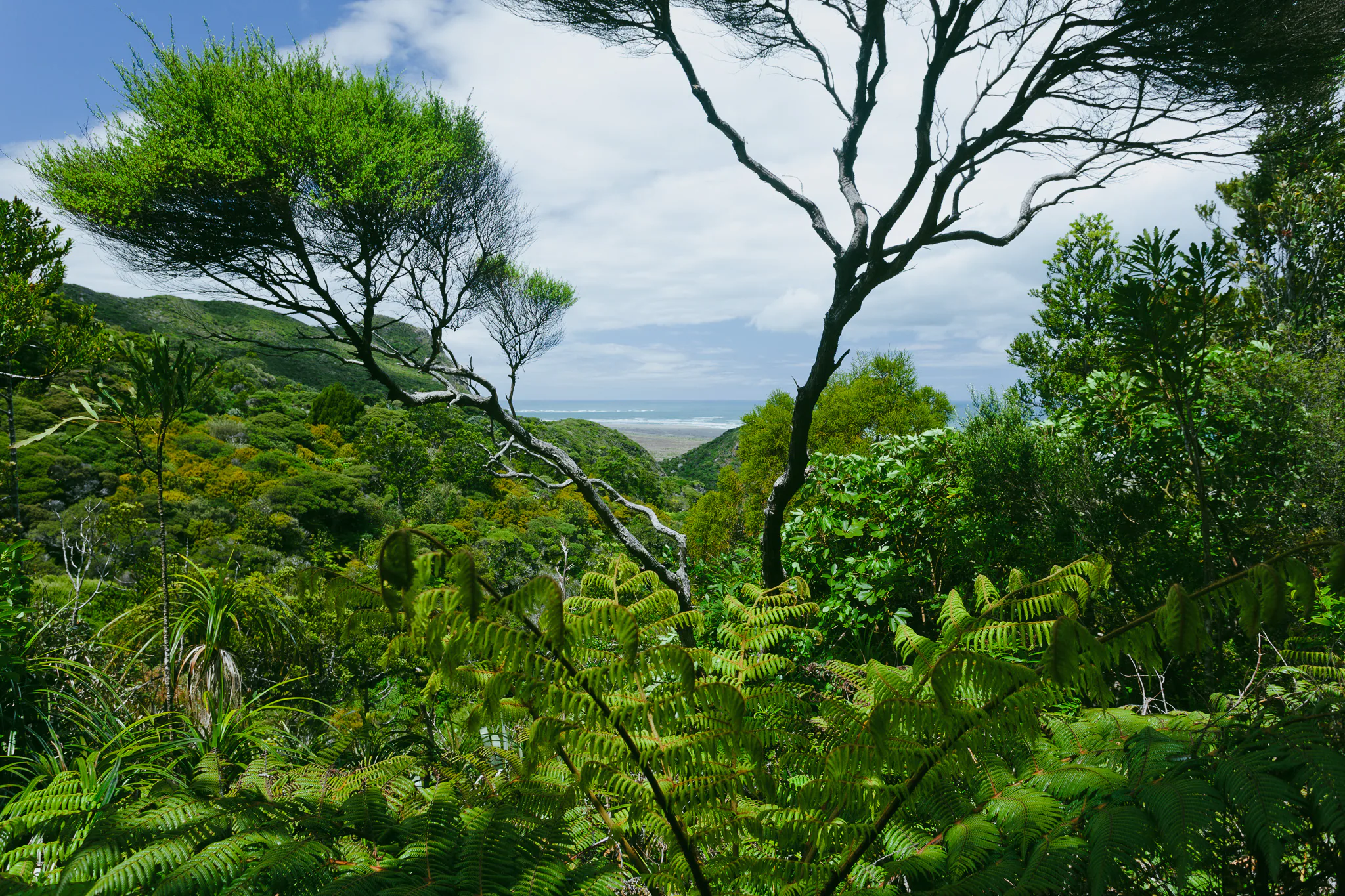
Black beech is a large evergreen native tree that can grow to around 25–30 metres tall
What to know before you plant
The essentials — how big it gets, how fast it grows, and where it sits in the forest.
Mature height (m)
Mature spread (m)
Growth rate
Successional stage
Form
Mature DBH (cm)
Description
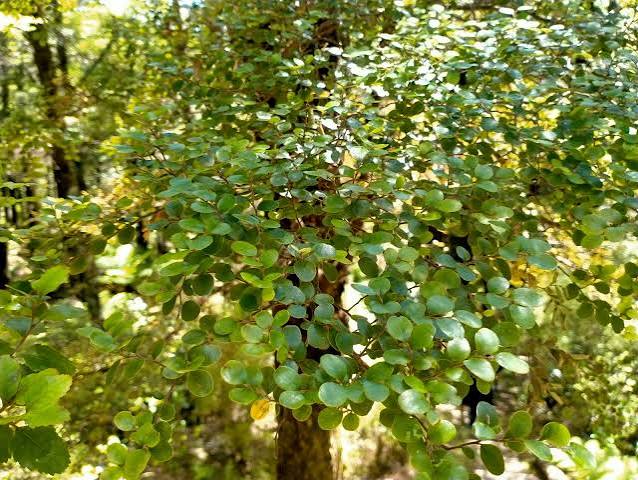
Black beech (Fuscospora solandri) is a large evergreen native tree that can grow to around 25–30 metres tall. Mature trees develop a broad crown and a straight trunk covered in dark, rough bark, which gives the species its common name. Its leaves are small, thick and leathery, with smooth margins and a slightly pointed tip. Black beech produces small, inconspicuous flowers followed by dry, nut-like seeds. In suitable environments it can form extensive forests and become one of the dominant trees in the canopy.
Habitat
Black beech is endemic to New Zealand and occurs naturally in the North and South Islands. It grows from lowland areas into montane environments and is particularly characteristic of relatively dry eastern and central regions. Black beech commonly occurs on hillsides, ridges and well-drained soils and can tolerate relatively dry and nutrient-poor conditions. It forms both pure stands and mixed forests alongside other native beeches, podocarps and broadleaf species.
Cultural Importance
Black beech is part of the extensive native beech forests that have long formed an important component of the ngahere in Aotearoa. Its timber is hard and strong and has historically been used for construction, fencing, firewood and other practical purposes. Today, intact black beech forests are particularly valued for their ecological importance, providing habitat for native birds, insects, fungi and other forest organisms.
Ecological Role
Black beech is an important canopy-forming species and can strongly influence the structure and ecology of the forests in which it grows. Its evergreen canopy provides year-round habitat for birds and invertebrates, while mature trunks support mosses, lichens, fungi and other organisms. Like other native beeches, black beech forms important relationships with mycorrhizal fungi around its roots, which help the tree obtain nutrients from the soil. Black beech also produces honeydew when native scale insects living beneath its bark excrete sugary droplets through fine tubes. This energy-rich honeydew is an important food source for native birds, insects and other forest wildlife.
Associated Birds
Tūī: Tūī are nectar-feeding native birds that readily consume the sugary honeydew produced by scale insects living on beech trees. In black beech forest, honeydew can provide an important high-energy food source when it is abundant. Tūī also forage throughout the canopy for insects and other seasonal foods.
Korimako/Bellbird: Korimako are strongly associated with honeydew beech forests and feed on the sweet droplets produced by scale insects beneath the bark. Honeydew can provide an important year-round energy source, particularly when flowering plants are less abundant. Korimako also forage among black beech foliage and branches for insects.
Kākā: Kākā are large native forest parrots that feed on honeydew as well as insects, seeds and other plant material. In beech forests they can forage on trunks and branches for scale insects and other invertebrates, sometimes using their powerful bills to investigate bark and decaying wood. Mature forests also provide the large trees and cavities important for nesting.
Kākāriki: Kākāriki forage actively through native beech forests, feeding on seeds, buds, flowers and invertebrates. Black beech seed can become particularly abundant during mast years, increasing the amount of food available within the forest. They also search among foliage and bark for insects.
Miromiro/Tomtit: Miromiro are small insect-eating birds commonly found in native beech forests. They forage around trunks, branches and foliage for insects and other invertebrates, using the different layers of black beech forest as feeding and sheltering habitat.
Riroriro/Grey Warbler: Riroriro are small insectivorous birds that search among the leaves and branches of native forest for insects, spiders and other small prey. Black beech provides extensive foliage and branching habitat for foraging, shelter and nesting within mixed native forests.
Conservation Status
Black beech is classified as Not Threatened in New Zealand. It remains widespread and can form extensive forests within its natural range. However, black beech ecosystems can be affected by introduced browsing animals, invasive plants, habitat modification and introduced predators that affect the native wildlife living within them. Honeydew beech forests can also be affected by introduced wasps, which consume large quantities of honeydew and compete with native animals for this valuable food resource.
Interesting Facts
- Black beech is endemic to New Zealand, meaning it occurs naturally nowhere else in the world.
- It can grow to around 25–30 metres tall and form extensive, dominant forest canopies.
- Its small leaves have smooth margins, helping distinguish black beech from hard beech, which has noticeably toothed leaves.
- The dark bark of mature trees gives black beech its common name.
- Native scale insects living beneath beech bark produce sugary honeydew that is eaten by native birds and insects.
- Black beech forms mutually beneficial relationships with mycorrhizal fungi around its roots, helping it obtain nutrients from relatively infertile soils.
- During mast years, black beech can produce exceptionally large quantities of seed.
- Beech honeydew is such a valuable source of energy that introduced wasps can compete heavily with native birds and insects for it.
Conservation Tips
Protecting mature black beech forests helps conserve not only the trees but also the birds, insects, fungi and other organisms that depend on these ecosystems. Controlling introduced browsing animals supports the regeneration of seedlings and understorey vegetation, while predator and wasp control can benefit native wildlife. Retaining mature trees, standing deadwood and fallen logs also helps preserve nesting cavities, fungi and invertebrate habitat that contribute to a healthy and diverse beech forest.
Growing conditions
Sun
Moisture
Soil
Drainage
Frost tolerance
Wind tolerance
Coastal tolerance
What this tree gives back

Food for native birds
Fruit, seeds or nectar that feed native birds.

Supports pollinators
Flowers that sustain native bees and insects.
Erosion control
Roots that bind soil and hold slopes together.
Suits riparian planting
Thrives along stream and river margins.
Suits wetland planting
Handles the wet ground of wetland sites.
More native trees
Explore other species

Ready to plant natives?
Assess your land and discover the right planting approach for your forest.