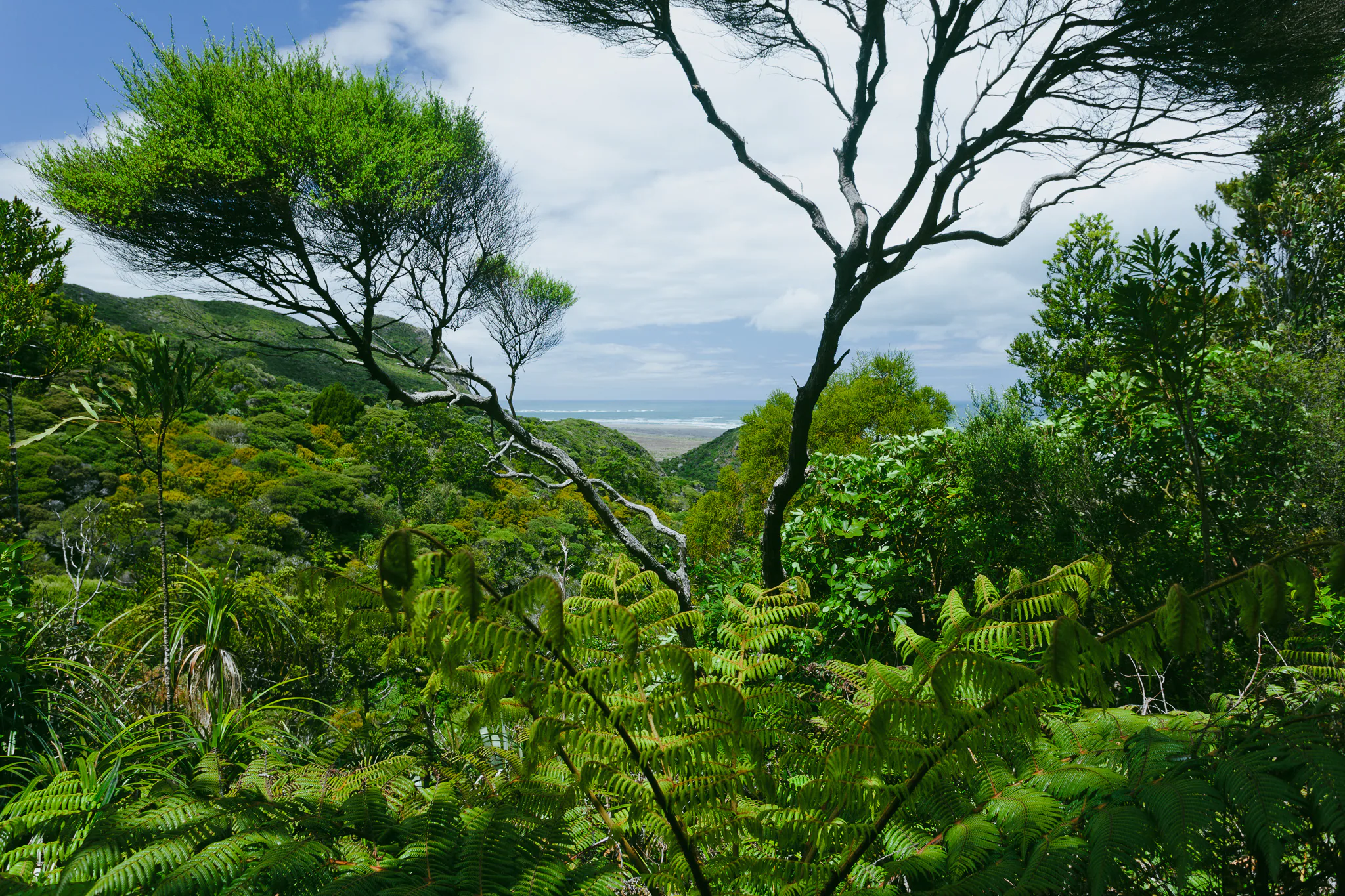
Hard Beech
Hard beech is a large evergreen native tree that can grow to around 25–30 metres tall, forming a broad crown above a straight, sturdy trunk.
What to know before you plant
The essentials — how big it gets, how fast it grows, and where it sits in the forest.
Mature height (m)
Mature spread (m)
Growth rate
Successional stage
Form
Mature DBH (cm)
Description
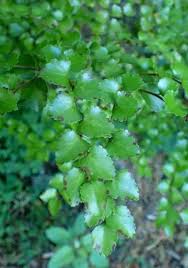
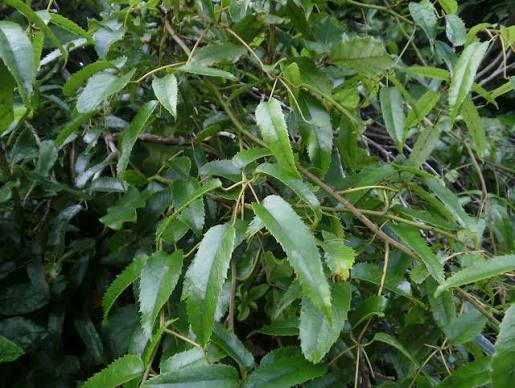
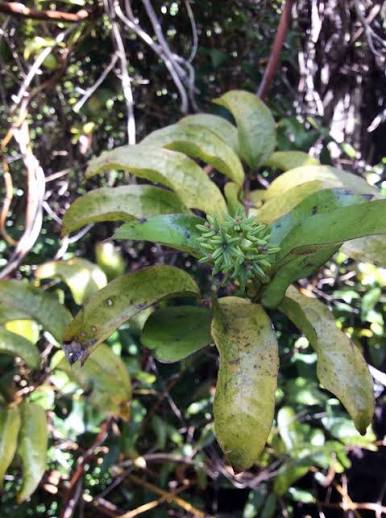
Hard beech (Fuscospora truncata) is a large evergreen native tree that can grow to around 25–30 metres tall, forming a broad crown above a straight, sturdy trunk. Its small, thick leaves are dark green with distinctive coarse teeth along their margins, giving the foliage a firm texture. The bark is typically dark grey to blackish and becomes rough and furrowed as the tree matures. Hard beech produces small, inconspicuous flowers and dry, nut-like seeds rather than fleshy fruit. Like other native beeches, it can form extensive stands and become a dominant canopy tree within suitable forests.
Habitat
Hard beech is endemic to New Zealand and occurs naturally in the North Island and northern parts of the South Island. It grows mainly in lowland and lower montane forests and is particularly associated with warm, relatively dry environments compared with some other native beech species. Hard beech commonly occurs on ridges, hillsides and well-drained soils, including relatively infertile sites. In suitable areas it can form extensive forests, either dominating the canopy or growing alongside other native beech and broadleaf species.
Cultural Importance
Hard beech is part of the native beech forests that have long formed an important component of the ngahere in Aotearoa. Its dense, strong timber has historically been valued for applications requiring hard-wearing wood. Following European settlement, hard beech timber was used for purposes such as construction, flooring, fencing and other situations where strength and durability were desirable. Today, remaining natural stands are valued primarily as part of New Zealand's indigenous forest ecosystems and for the habitat they provide.
Ecological Role
Hard beech can be a major canopy-forming species and plays an important role in determining the structure and conditions of the forests in which it grows. Its large evergreen crowns provide shelter and habitat for native birds and invertebrates, while mature trunks and branches support mosses, lichens, fungi and epiphytes. Hard beech also forms important relationships with mycorrhizal fungi around its roots, helping the tree obtain nutrients from the soil. Periodically, large quantities of beech seed are produced during mast years, creating an abundant seasonal food source for forest animals.
Associated Birds
Kākā: Kākā are large native forest parrots that spend considerable time feeding in mature native forest canopies. Beech forests provide important habitat for kākā, where they search trunks and branches for insects and larvae and feed on a variety of seasonal plant foods. Large mature trees also contribute to the old-growth forest structure that provides potential nesting cavities.
Kākāriki: Kākāriki are active native parakeets that forage through beech forest for seeds, buds, flowers and invertebrates. During periods when beech trees produce abundant seed, this resource can contribute to the food available within the forest. They also search among foliage and branches for insects.
Pīpipi/Brown Creeper: Pīpipi are small, highly social native birds commonly associated with South Island forests, including beech forest. They move through the canopy and understorey in groups, searching leaves, bark and branches for insects and spiders. Mature beech trees provide extensive surfaces and foliage in which these birds can forage.
Miromiro/Tomtit: Miromiro are small insect-eating forest birds that occur commonly in native beech forests. They forage among hard beech trunks, branches and surrounding vegetation for insects and other invertebrates, often moving between different levels of the forest while searching for prey.
Riroriro/Grey Warbler: Riroriro are small insectivorous birds that forage among the foliage and branches of native trees. Hard beech forest provides extensive habitat where they can search for insects, spiders and other small invertebrates. Dense forest vegetation also provides nesting and shelter opportunities.
Conservation Status
Hard beech is classified as Not Threatened in New Zealand. It remains widespread within its natural range and can form extensive forests in suitable environments. However, hard beech forests can be affected by habitat clearance, introduced browsing animals, invasive species and changes to natural forest processes. Protecting intact beech forest is important for the many native species that depend on these ecosystems.
Interesting Facts
- Hard beech is endemic to New Zealand, meaning it occurs naturally nowhere else in the world.
- It can grow to around 25–30 metres tall and become a dominant tree in the forest canopy.
- Its common name refers to its particularly dense and hard timber.
- Hard beech can be distinguished from several other native beeches by its thick leaves with prominent coarse teeth.
- Like other native beeches, hard beech has specialised relationships with mycorrhizal fungi around its roots that help it obtain nutrients.
- Hard beech periodically participates in mast events, when large quantities of seed are produced across beech forests.
- Unlike many native forest trees, hard beech produces dry nuts rather than fleshy fruit and therefore relies primarily on seed fall rather than fruit-eating birds for dispersal.
Conservation Tips
Protecting mature beech forests and allowing natural regeneration are important for conserving hard beech and the diverse communities that depend on these forests. Controlling introduced browsing animals helps protect seedlings and understorey vegetation, while predator control benefits native birds and other wildlife living within beech ecosystems. Retaining old trees, standing deadwood and fallen logs also preserves valuable nesting sites, invertebrate habitat and fungi that form important parts of a healthy native forest.
Growing conditions
Sun
Moisture
Soil
Drainage
Frost tolerance
Wind tolerance
Coastal tolerance
What this tree gives back

Food for native birds
Fruit, seeds or nectar that feed native birds.

Supports pollinators
Flowers that sustain native bees and insects.
Erosion control
Roots that bind soil and hold slopes together.
Suits riparian planting
Thrives along stream and river margins.
Suits wetland planting
Handles the wet ground of wetland sites.
More native trees
Explore other species

Ready to plant natives?
Assess your land and discover the right planting approach for your forest.