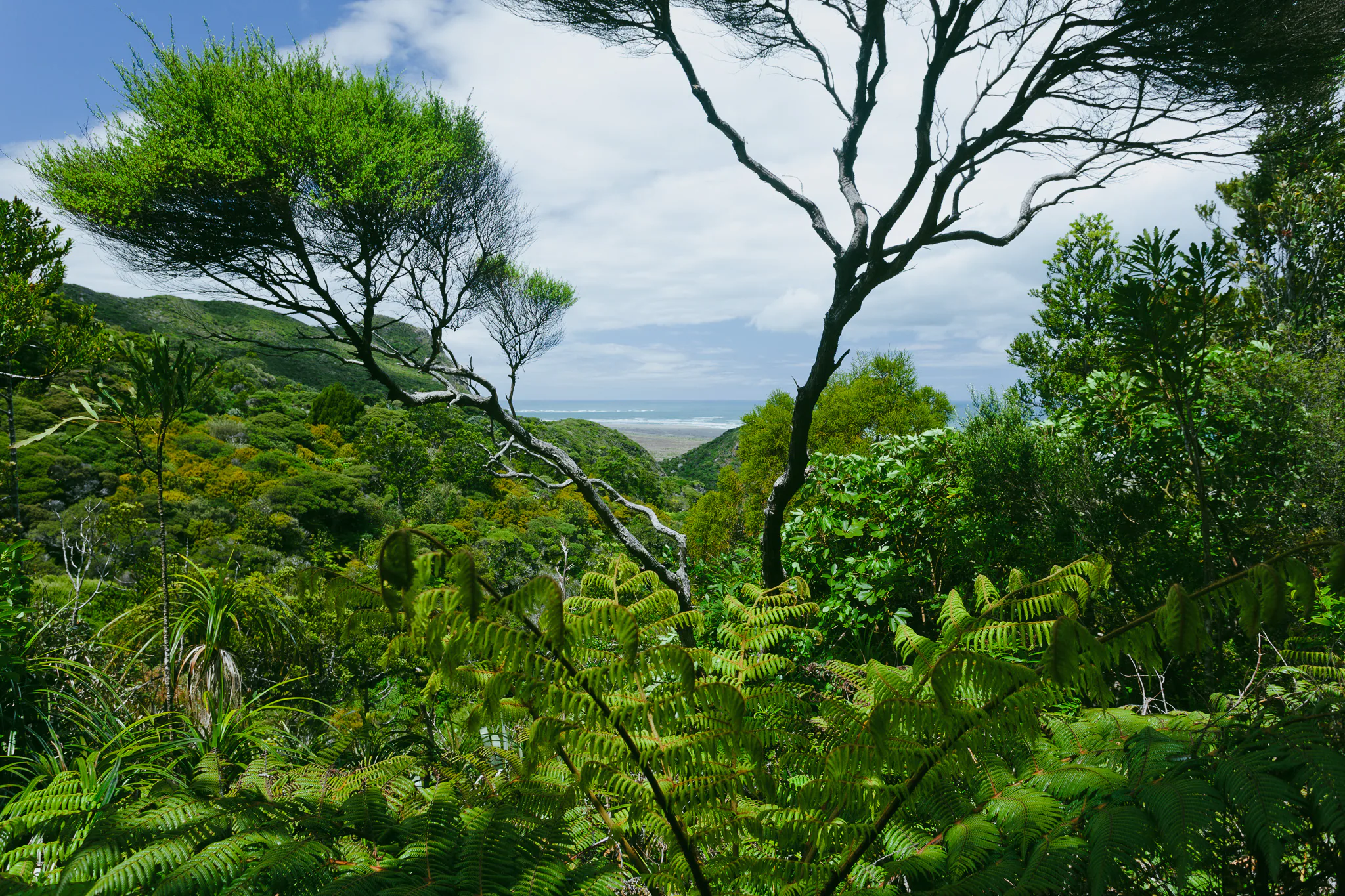
Horopito
Horopito , also known as mountain horopito or pepper tree, is an evergreen native shrub or small tree that typically grows between 2 and 8 metres tall.
What to know before you plant
The essentials — how big it gets, how fast it grows, and where it sits in the forest.
Mature height (m)
Mature spread (m)
Growth rate
Successional stage
Form
Mature DBH (cm)
Description
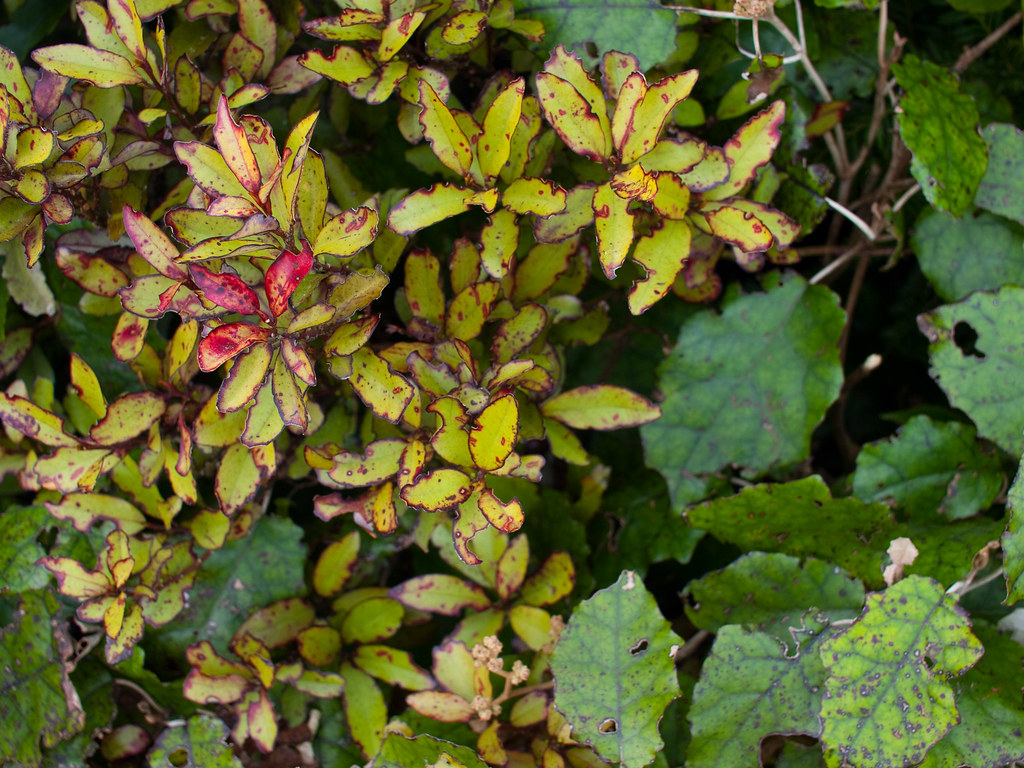
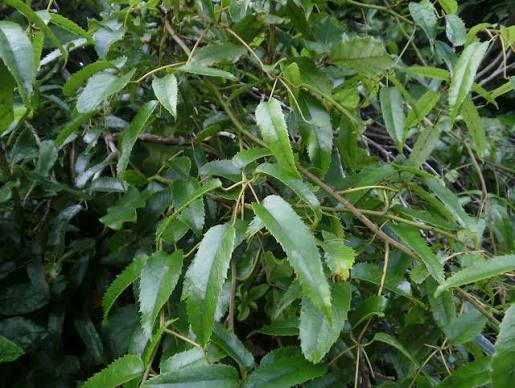
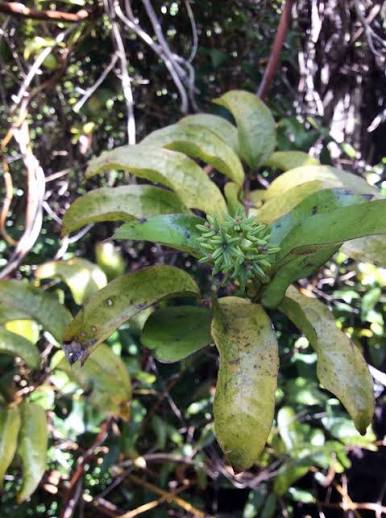
Horopito (Pseudowintera colorata), also known as mountain horopito or pepper tree, is an evergreen native shrub or small tree that typically grows between 2 and 8 metres tall. It has distinctive leathery, yellow-green leaves that are often irregularly blotched with red, pink or burgundy. The leaves contain pungent compounds that produce a strong peppery, hot sensation when chewed. Horopito produces small yellow-green flowers, followed by fleshy berries that ripen from green to dark red or almost black. Its dense branching and colourful foliage make it one of New Zealand's most recognisable native understorey plants.
Habitat
Horopito is endemic to New Zealand and occurs naturally throughout much of the North Island and South Island, as well as Rakiura/Stewart Island. It grows from lowland forests into montane and subalpine environments and is particularly common in cool, moist forests, forest margins, shrublands and areas of regenerating vegetation. Horopito is tolerant of cold conditions and can grow at relatively high elevations, where it may form part of exposed shrubland vegetation. It is also capable of establishing in disturbed forest and areas recovering after vegetation loss.
Cultural Importance
Horopito has a long history of use in rongoā Māori. Its strongly peppery leaves were traditionally used for a range of purposes, including treatments associated with skin conditions and digestive complaints. The leaves were also used as a food seasoning, providing a distinctive hot, pepper-like flavour. Horopito continues to be valued today as a native culinary herb, with dried or ground leaves used to add a spicy flavour to foods.
Ecological Role
Horopito is an important component of native forest understoreys and montane shrublands. Its dense evergreen foliage provides shelter and habitat for insects and other small organisms, while its flowers are visited by insects. The fleshy berries provide a seasonal food source for fruit-eating birds, which can disperse the seeds into surrounding forest. Horopito's ability to tolerate cool conditions, exposure and disturbance also allows it to contribute to the regeneration of native vegetation in challenging environments.
Associated Birds
Kererū: Kererū are important fruit-eating birds and seed dispersers in New Zealand forests. They consume a broad range of native fruits and may feed on the fleshy berries produced by horopito when they are available. By carrying seeds away from fruiting plants, kererū contribute to the dispersal and regeneration of native forest vegetation.
Tūī: Tūī have a varied diet that includes fruit, nectar and insects. Horopito's berries can contribute to the seasonal supply of fruit available within native forest, while tūī may also forage among its foliage for insects and other invertebrates.
Korimako/Bellbird: Korimako feed on fruit, nectar and invertebrates throughout native forests and shrublands. Fruiting horopito can provide an additional seasonal food source, while its dense branching contributes to the sheltered understorey habitat in which these birds forage.
Tauhou/Silvereye: Tauhou are small, active birds that readily consume small fruits and forage for insects among native vegetation. The relatively small berries of horopito can provide food when ripe, while its dense foliage offers additional opportunities for insect foraging.
Conservation Status
Horopito is classified as Not Threatened in New Zealand. It is widespread and locally common across much of its natural range and can persist in both established forests and regenerating vegetation. Its tolerance of cool climates, exposure and a range of forest conditions helps it remain successful across a broad variety of habitats.
Interesting Facts
- Horopito is endemic to New Zealand, meaning it occurs naturally nowhere else in the world.
- Its leaves have a distinctive hot, peppery taste, which is why the plant is commonly called pepper tree.
- The peppery sensation is caused by naturally occurring compounds in the leaves, including polygodial.
- Horopito leaves often develop striking red or burgundy blotches, making individual plants highly distinctive.
- It is one of the surviving members of an ancient lineage of flowering plants represented in New Zealand by the family Winteraceae.
- Horopito can grow from lowland forest into cold montane and subalpine environments.
- Its leaves continue to be used as a native culinary seasoning and are sometimes described as New Zealand pepper.
Conservation Tips
Protecting native forests, montane shrublands and regenerating vegetation helps maintain healthy populations of horopito and the wildlife associated with them. Controlling invasive weeds and introduced browsing animals can help protect seedlings and young plants and encourage natural regeneration. Horopito can also be incorporated into native restoration planting, particularly in cool or exposed environments where its natural hardiness makes it well suited to establishing alongside other indigenous species.
Growing conditions
Sun
Moisture
Soil
Drainage
Frost tolerance
Wind tolerance
Coastal tolerance
What this tree gives back

Food for native birds
Fruit, seeds or nectar that feed native birds.
Supports pollinators
Flowers that sustain native bees and insects.
Erosion control
Roots that bind soil and hold slopes together.
Suits riparian planting
Thrives along stream and river margins.

Suits wetland planting
Handles the wet ground of wetland sites.
More native trees
Explore other species

Ready to plant natives?
Assess your land and discover the right planting approach for your forest.