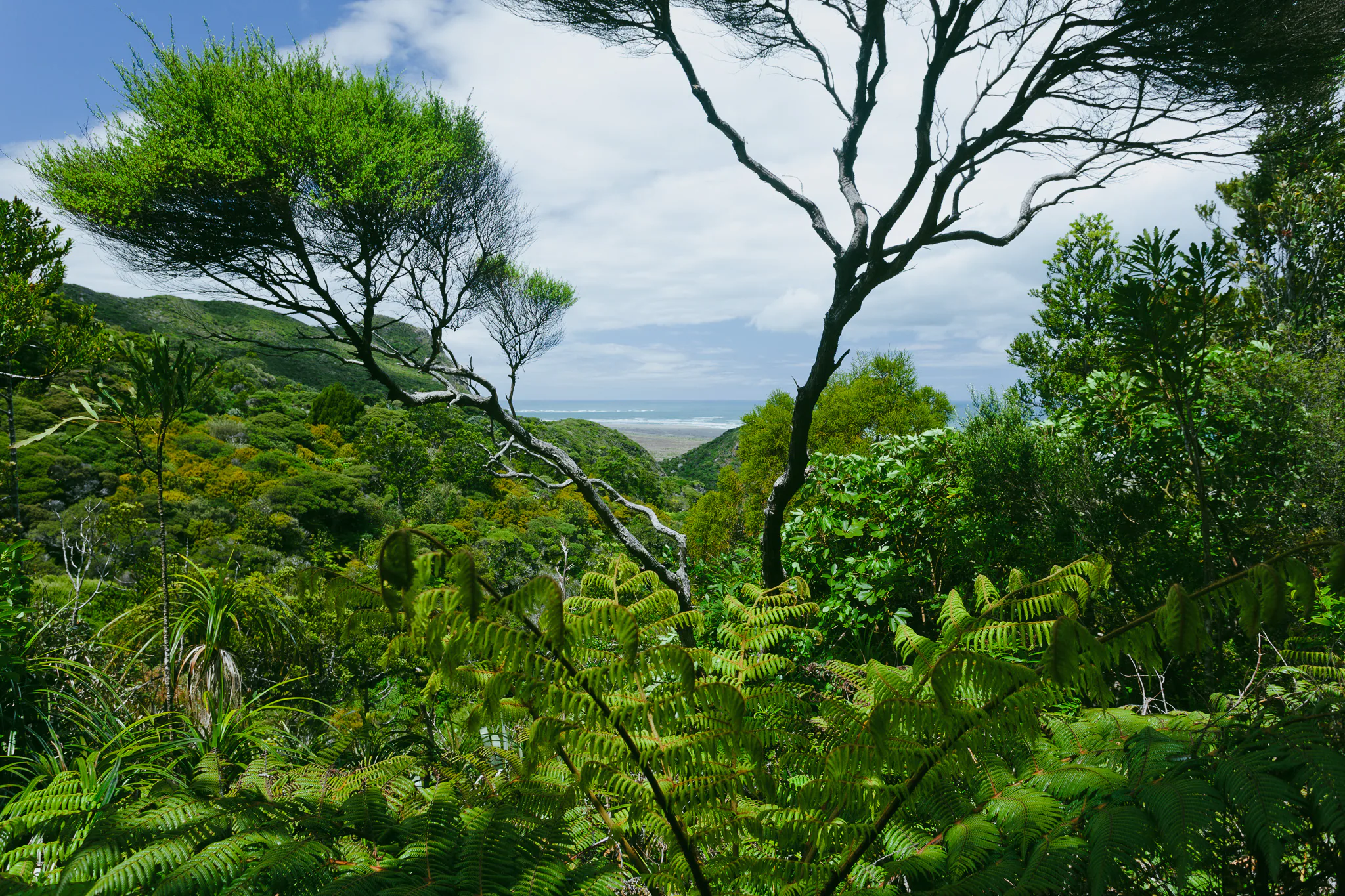
Houpara
Houpara, also known as coastal five-finger, is an evergreen shrub or small tree that can grow up to around 6 metres tall.
What to know before you plant
The essentials — how big it gets, how fast it grows, and where it sits in the forest.
Mature height (m)
Mature spread (m)
Growth rate
Successional stage
Form
Mature DBH (cm)
Description
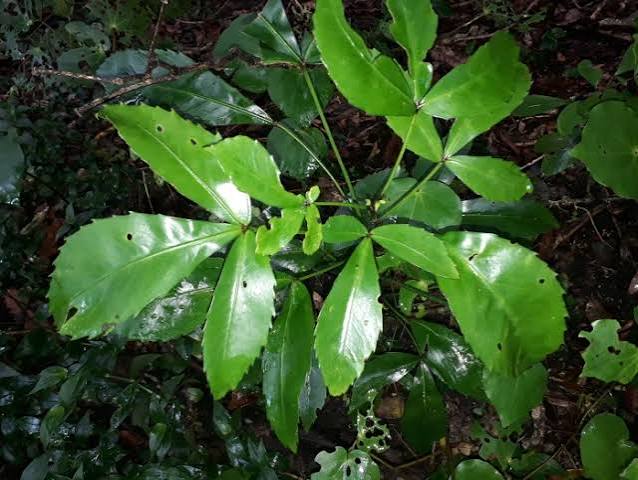
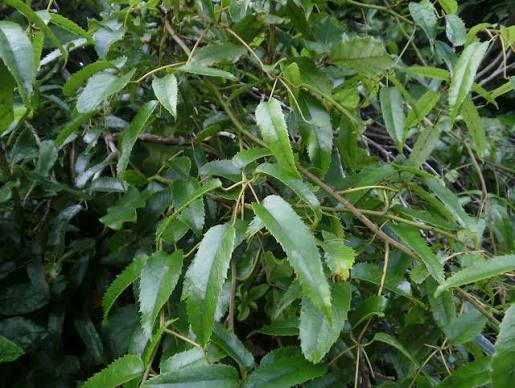
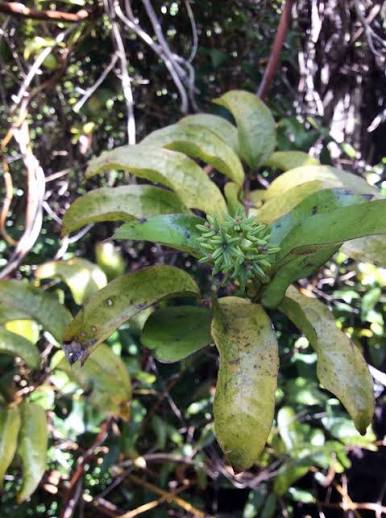
Houpara (Pseudopanax lessonii), also known as coastal five-finger, is an evergreen shrub or small tree that can grow up to around 6 metres tall. It has stout branches and distinctive glossy, leathery leaves clustered towards the ends of its branches. Each leaf is divided into three to five broad leaflets that spread from a central point like the fingers of a hand. Small greenish flowers are produced in branching clusters during summer, followed by fleshy fruits that ripen to dark purple or almost black. Its dense foliage and compact growth make houpara a distinctive feature of northern coastal forests.
Habitat
Houpara is endemic to New Zealand and occurs naturally in northern parts of the country, from the Three Kings Islands south through the North Island to Poverty Bay and northern Taranaki. It is primarily a coastal species and grows naturally in coastal forest and scrub. Houpara is well adapted to exposed coastal environments and can tolerate salt-laden winds, dry conditions and considerable exposure once established. These characteristics allow it to grow in coastal sites where less tolerant forest species may struggle.
Cultural Importance
Houpara is a recognised part of the indigenous flora of northern Aotearoa and has several recorded Māori names, including houmāpara, houparapara, kokotai, oho, parapara and whauwhau. Its presence in coastal forest and scrub makes it part of the distinctive vegetation traditionally encountered throughout its northern range. Today, houpara is also widely valued in native planting and restoration, particularly in coastal environments where its tolerance of wind and salt makes it a useful species for re-establishing indigenous vegetation.
Ecological Role
Houpara contributes food, shelter and structure to coastal forest and scrub ecosystems. Its dense evergreen foliage provides cover for insects and other small organisms, while its flowers provide resources for visiting insects. The fleshy, dark-coloured fruits are attractive to fruit-eating birds, which can consume the fruit and disperse the seeds into surrounding vegetation. Its ability to withstand exposed coastal conditions also makes houpara valuable in establishing woody vegetation and shelter in coastal restoration areas.
Associated Birds
Kererū: Kererū are important fruit-eating birds and seed dispersers within New Zealand's native forests. Houpara produces fleshy fruits that can contribute to the seasonal supply of food available to native frugivorous birds. As kererū move between fruiting plants, they can transport seeds away from parent trees and contribute to the regeneration and spread of native vegetation.
Tūī: Tūī have a varied diet that includes nectar, fruit and insects. Fruiting houpara can provide a seasonal food resource, while its flowers and dense foliage support insects that tūī may also forage for. By moving between native plants in coastal forest and scrub, tūī contribute to the ecological interactions occurring within these habitats.
Korimako/Bellbird: Korimako are native honeyeaters that feed on nectar, fruit and invertebrates. They forage widely among flowering and fruiting native vegetation and can make use of the food resources provided by houpara. Dense coastal vegetation containing houpara also contributes to the sheltered forest and scrub habitat used by these birds.
Tauhou/Silvereye: Tauhou are small, highly active birds that consume fruit, nectar and insects. Small fleshy fruits such as those produced by houpara are suitable seasonal food resources for fruit-eating birds of this size. Tauhou may also forage among houpara foliage for insects and other small invertebrates.
Conservation Status
Houpara is classified as Not Threatened in New Zealand. It remains widespread within its natural northern range and is also commonly cultivated outside that range. Although the species itself is not considered threatened, protecting remaining coastal forest and scrub is important for maintaining natural houpara populations and the wider communities of native plants and wildlife associated with them.
Interesting Facts
- Houpara is endemic to New Zealand, meaning it occurs naturally nowhere else in the world.
- It can grow to around 6 metres tall, developing into either a large shrub or small tree.
- Each leaf usually has three to five thick leaflets arranged like the fingers of a hand, giving rise to the common name "coastal five-finger."
- Juvenile houpara generally have larger leaves than mature plants.
- Its small greenish flowers are followed by fleshy fruits that mature to a dark purple colour.
- Houpara is naturally restricted to northern New Zealand, although it is cultivated in other parts of the country.
- Its tolerance of coastal wind, salt and dry conditions makes it particularly useful for coastal restoration and shelter planting.
Conservation Tips
Protecting coastal forests, scrublands and remaining areas of indigenous coastal vegetation helps maintain natural populations of houpara. In restoration projects within its natural range, houpara can be particularly useful for exposed coastal sites because of its tolerance of wind and salt. Controlling invasive weeds and browsing animals also gives young plants a better opportunity to establish and helps preserve the diversity and structure of native coastal ecosystems.
Growing conditions
Sun
Moisture
Soil
Drainage
Frost tolerance
Wind tolerance
Coastal tolerance
What this tree gives back

Food for native birds
Fruit, seeds or nectar that feed native birds.
Supports pollinators
Flowers that sustain native bees and insects.
Erosion control
Roots that bind soil and hold slopes together.

Suits riparian planting
Thrives along stream and river margins.
Suits wetland planting
Handles the wet ground of wetland sites.
More native trees
Explore other species

Ready to plant natives?
Assess your land and discover the right planting approach for your forest.