Kaikōmako
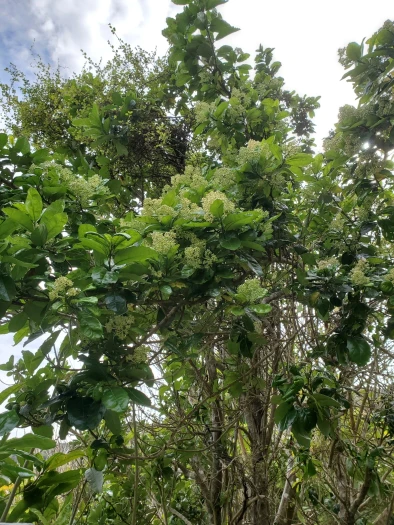
Kaikōmako (Pennantia corymbosa) is an endemic evergreen native tree that typically grows around 8–12 metres tall, occasionally becoming larger in favourable forest conditions.
What to know before you plant
The essentials — how big it gets, how fast it grows, and where it sits in the forest.
Mature height (m)
Mature spread (m)
Growth rate
Successional stage
Form
Mature DBH (cm)
Description
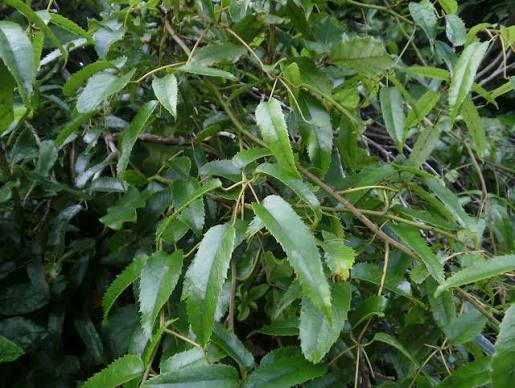
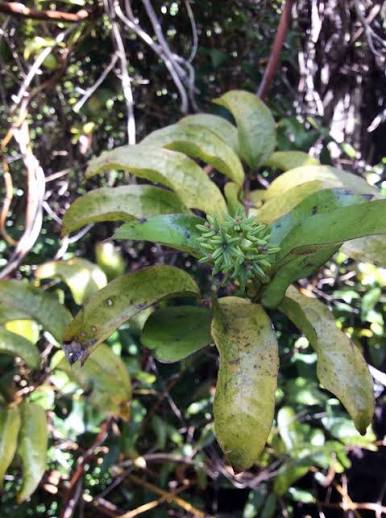
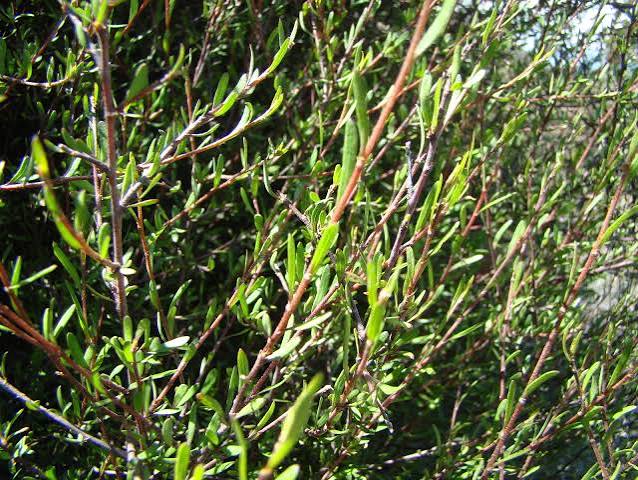
Kaikōmako (Pennantia corymbosa) is an endemic evergreen native tree that typically grows around 8–12 metres tall, occasionally becoming larger in favourable forest conditions. Young plants have a distinctive divaricating growth form, with slender, interlacing branches and small, irregularly shaped leaves. As the tree matures, its growth changes dramatically, producing larger leaves and a more conventional rounded crown. Kaikōmako produces clusters of small, fragrant white flowers, followed on female plants by small fleshy fruits that ripen to dark purple or black. The fruits contain seeds that are dispersed by native birds.
Habitat
Kaikōmako is widespread throughout the North Island, South Island and Rakiura/Stewart Island. It occurs mainly in coastal, lowland and lower montane forests, as well as forest margins, shrublands and regenerating native vegetation. Kaikōmako grows in both mature and secondary forest and can tolerate a range of conditions, although it generally performs well on moist, well-drained soils. Its ability to establish in forest margins and regenerating vegetation makes it a useful component of naturally recovering native ecosystems.
Cultural Importance
Kaikōmako has considerable importance in mātauranga Māori because its wood was traditionally used in fire-making. A pointed stick of harder wood could be rubbed rapidly along a grooved piece of kaikōmako to generate heat and ignite fine tinder. This association with fire-making made kaikōmako a particularly useful tree within the ngahere. Its timber was also valued for other practical purposes requiring a relatively strong, workable native wood.
Ecological Role
Kaikōmako contributes to the understorey and subcanopy structure of native forest and provides both food and shelter for wildlife. Its flowers support insects and other pollinators, while its fleshy fruits provide seasonal food for native birds. Birds that consume the fruit help disperse seeds into forest gaps, margins and regenerating vegetation. The dense, interlacing juvenile growth also creates sheltered habitat for insects and other small animals. As plants mature, their broader crowns contribute additional foliage and structural complexity to the forest.
Associated Birds
Kererū: Kererū consume a wide range of native forest fruits and can feed on ripe kaikōmako fruit when available. By swallowing fleshy fruits and moving between feeding sites, kererū can transport seeds away from the parent tree and contribute to natural forest regeneration.
Tūī: Tūī feed on fruit, nectar and insects and can use fruiting kaikōmako as a seasonal food source. They also forage among the foliage and flowers for insects. Their movements through native forest can contribute to seed dispersal after feeding on ripe fruit.
Korimako/Bellbird: Korimako have a varied diet that includes native fruit, nectar and invertebrates. Kaikōmako provides seasonal fruit as well as insect-rich foliage and flowering branches where korimako can forage. Consumption of the fleshy fruit can also contribute to seed movement through the forest.
Tauhou/Silvereye: Tauhou readily consume small fleshy native fruits, making kaikōmako fruit a suitable seasonal food resource. They also forage for insects among the tree's dense branches and foliage. Their ability to move between forest remnants and regenerating vegetation can help disperse seeds into new areas.
Conservation Status
Kaikōmako is classified as Not Threatened in New Zealand and remains widespread within its natural range. Its ability to occur in both mature forest and regenerating vegetation contributes to its resilience. Local populations can nevertheless be affected by forest clearance, introduced browsing animals, invasive plants and fragmentation of native habitat.
Interesting Facts
- Kaikōmako is endemic to New Zealand, meaning it occurs naturally nowhere else in the world.
- Young and mature kaikōmako can look so different that they could easily be mistaken for separate species.
- Juvenile plants have dense, interlacing branches and small leaves, while mature trees develop larger leaves and a conventional tree-like crown.
- This dramatic difference between juvenile and adult growth forms is known as heteroblasty.
- Kaikōmako was traditionally important to Māori for producing fire through friction.
- Its small white flowers are produced in conspicuous branching clusters.
- The fleshy fruits mature to dark purple or black and provide food for native birds.
- Kaikōmako is useful in ecological restoration because it can grow in forest margins and regenerating native vegetation.
Conservation Tips
Protecting existing native forest and regenerating shrubland helps maintain kaikōmako populations and the wildlife that uses them. Controlling browsing animals and invasive weeds gives seedlings and juvenile plants a greater chance of developing successfully. Kaikōmako is a useful restoration species for sheltered forest margins and developing native woodland. Planting it alongside a diverse mixture of locally appropriate flowering and fruiting species can provide additional food and habitat for native birds while encouraging natural seed dispersal and forest regeneration.
Growing conditions
Sun
Moisture
Soil
Drainage
Frost tolerance
Wind tolerance
Coastal tolerance
What this tree gives back

Food for native birds
Fruit, seeds or nectar that feed native birds.
Supports pollinators
Flowers that sustain native bees and insects.
Erosion control
Roots that bind soil and hold slopes together.
Suits riparian planting
Thrives along stream and river margins.

Suits wetland planting
Handles the wet ground of wetland sites.
More native trees
Explore other species

Ready to plant natives?
Assess your land and discover the right planting approach for your forest.