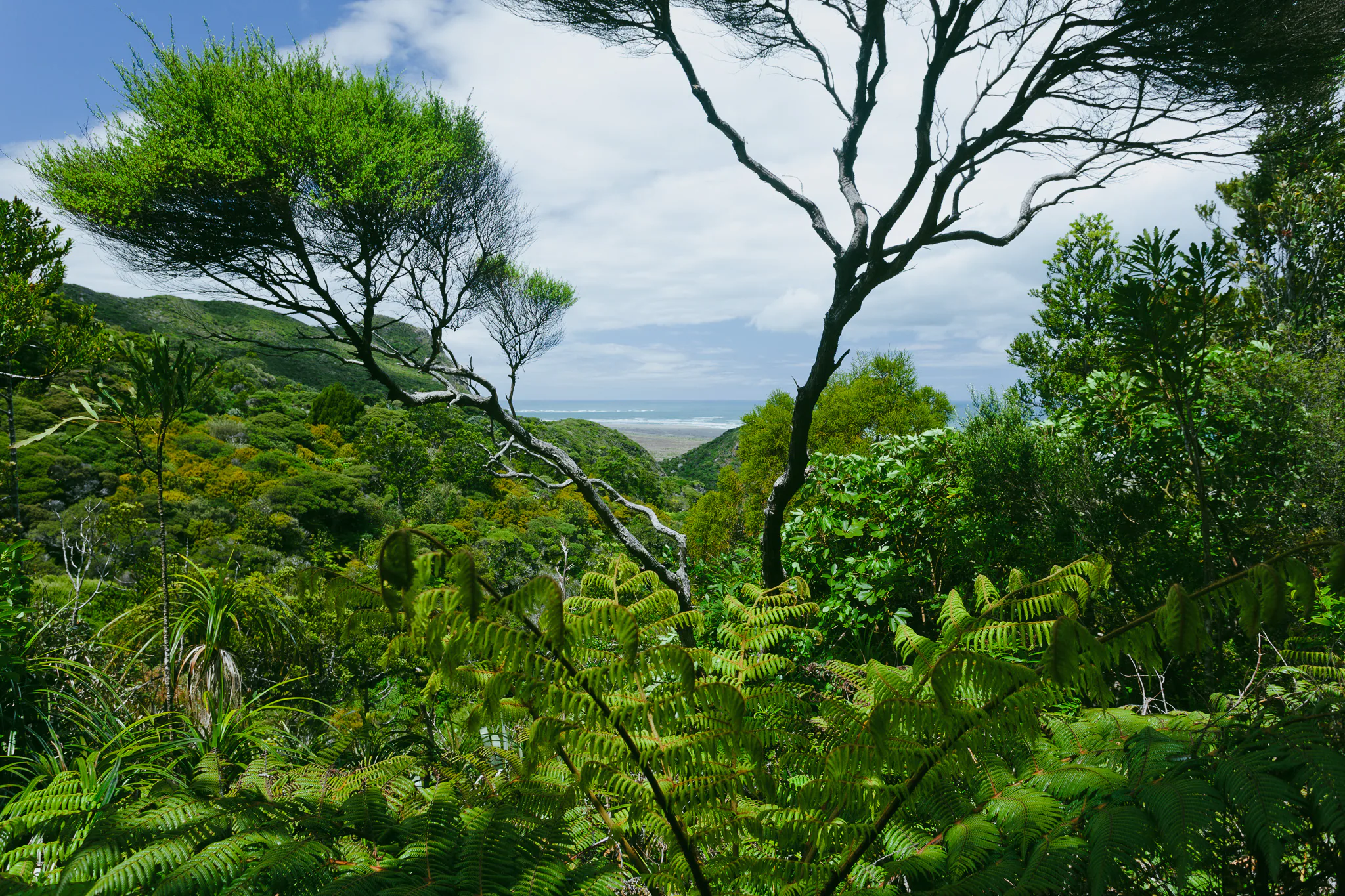
Kareao
Kareao, commonly known as supplejack, is a vigorous evergreen climbing vine endemic to New Zealand.
What to know before you plant
The essentials — how big it gets, how fast it grows, and where it sits in the forest.
Mature height (m)
Growth rate
Successional stage
Form
Description
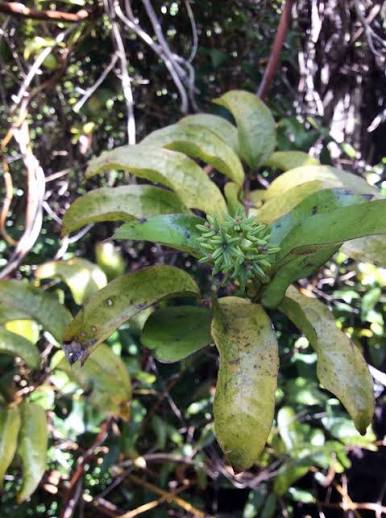
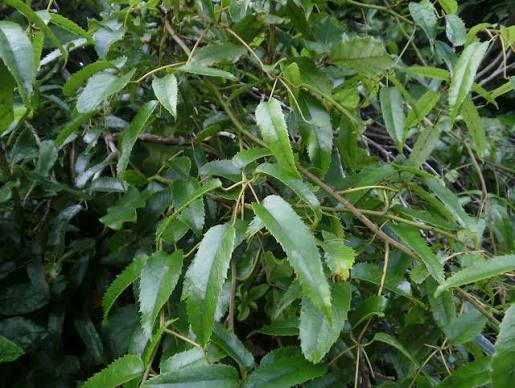
Kareao (Ripogonum scandens), commonly known as supplejack, is a vigorous evergreen climbing vine endemic to New Zealand. Its tough, flexible stems begin on the forest floor before twining around trees and other vegetation, allowing the plant to climb high into the forest canopy. Older stems become dark, woody and rope-like and can form dense tangles through the understorey. Once stems reach sufficient light, they develop branching shoots with glossy green leaves. Kareao produces clusters of small greenish to yellow flowers, followed by conspicuous bright red berries containing one to three hard seeds.
Habitat
Kareao is found naturally throughout the North Island, South Island, Rakiura/Stewart Island and the Chatham Islands. It is characteristic of lowland and montane native forests, where its climbing stems weave through the understorey and into the canopy. Kareao is particularly associated with moist, established forest but can also occur along forest margins and in regenerating vegetation. Young stems can grow for several metres while searching for suitable vegetation to climb.
Cultural Importance
Kareao has a long history of use by Māori, who valued its exceptionally strong and flexible stems. The vines were used as a binding material and for making items such as fish traps, baskets and other woven or tied structures. Young shoots were also eaten. Its strength and flexibility made kareao a useful natural material in environments where long lengths of durable vine could be gathered directly from the forest. Another widely recorded Māori name for the plant is pirita.
Ecological Role
Kareao is an important structural component of New Zealand's native forests. Its long climbing stems connect the forest floor, understorey and canopy, adding complexity to forest vegetation and creating habitat for insects and other small organisms. Its flowers provide resources for insects, while its bright red fleshy berries are eaten by native birds. Birds that consume the fruit can transport the seeds away from the parent vine, contributing to seed dispersal and forest regeneration.
Associated Birds
Kererū: Kererū are large native pigeons and important seed dispersers within New Zealand forests. They eat a wide variety of native fruits and can feed on the bright red berries produced by kareao. By swallowing fruit and later passing the seeds elsewhere, kererū help disperse native plants through the forest.
Tūī: Tūī are native honeyeaters with a varied diet that includes nectar, fruit and insects. When kareao is fruiting, its berries provide an additional seasonal food source. Tūī moving between fruiting plants can also contribute to the movement and dispersal of seeds through native forest.
Korimako/Bellbird: Korimako are native forest birds that feed on nectar, fruit and invertebrates. They forage among native forest vegetation and can make use of the fleshy fruit produced by kareao when it is available. The tangled growth of mature kareao also contributes to the complex forest habitat in which korimako feed and shelter.
Tauhou/Silvereye: Tauhou are small, active birds that feed on fruit, nectar and insects. They forage through dense forest vegetation and can take small fleshy fruits from native plants. Kareao also provides complex climbing vegetation where tauhou can search for insects and other invertebrates.
Conservation Status
Kareao is classified as Not Threatened in New Zealand. It remains widespread across much of the country wherever suitable native forest survives. However, browsing by introduced animals can damage kareao and reduce its abundance, particularly by feeding on accessible foliage and young growth near the forest floor.
Interesting Facts
- Kareao is endemic to New Zealand, meaning it occurs naturally nowhere else in the world.
- Its strong stems can climb for many metres through surrounding trees and vegetation.
- Young climbing stems can initially have few or no green leaves, with leafy branches developing when the vine reaches better light.
- Mature stems are extremely tough and flexible, which led to the English name "supplejack."
- Kareao produces bright red berries that can remain conspicuous among the dark green vegetation of the forest.
- The fruit can take around a year or more to develop and ripen after flowering.
- Dense tangles of kareao were famously difficult for early travellers to move through and remain a distinctive feature of many New Zealand forests.
Conservation Tips
Protecting mature native forest and regenerating bush helps conserve kareao and the wildlife that depends on complex forest vegetation. Controlling introduced browsing animals helps protect young shoots and foliage, allowing vines to establish and reach the canopy. Kareao should also be retained during restoration and weed-control work, as native vines are an important part of natural forest structure and can sometimes be mistaken for unwanted climbing vegetation.
Growing conditions
Sun
Moisture
Soil
Drainage
Frost tolerance
Wind tolerance
Coastal tolerance
What this tree gives back

Food for native birds
Fruit, seeds or nectar that feed native birds.
Supports pollinators
Flowers that sustain native bees and insects.
Erosion control
Roots that bind soil and hold slopes together.
Suits riparian planting
Thrives along stream and river margins.

Suits wetland planting
Handles the wet ground of wetland sites.
More native trees
Explore other species

Ready to plant natives?
Assess your land and discover the right planting approach for your forest.