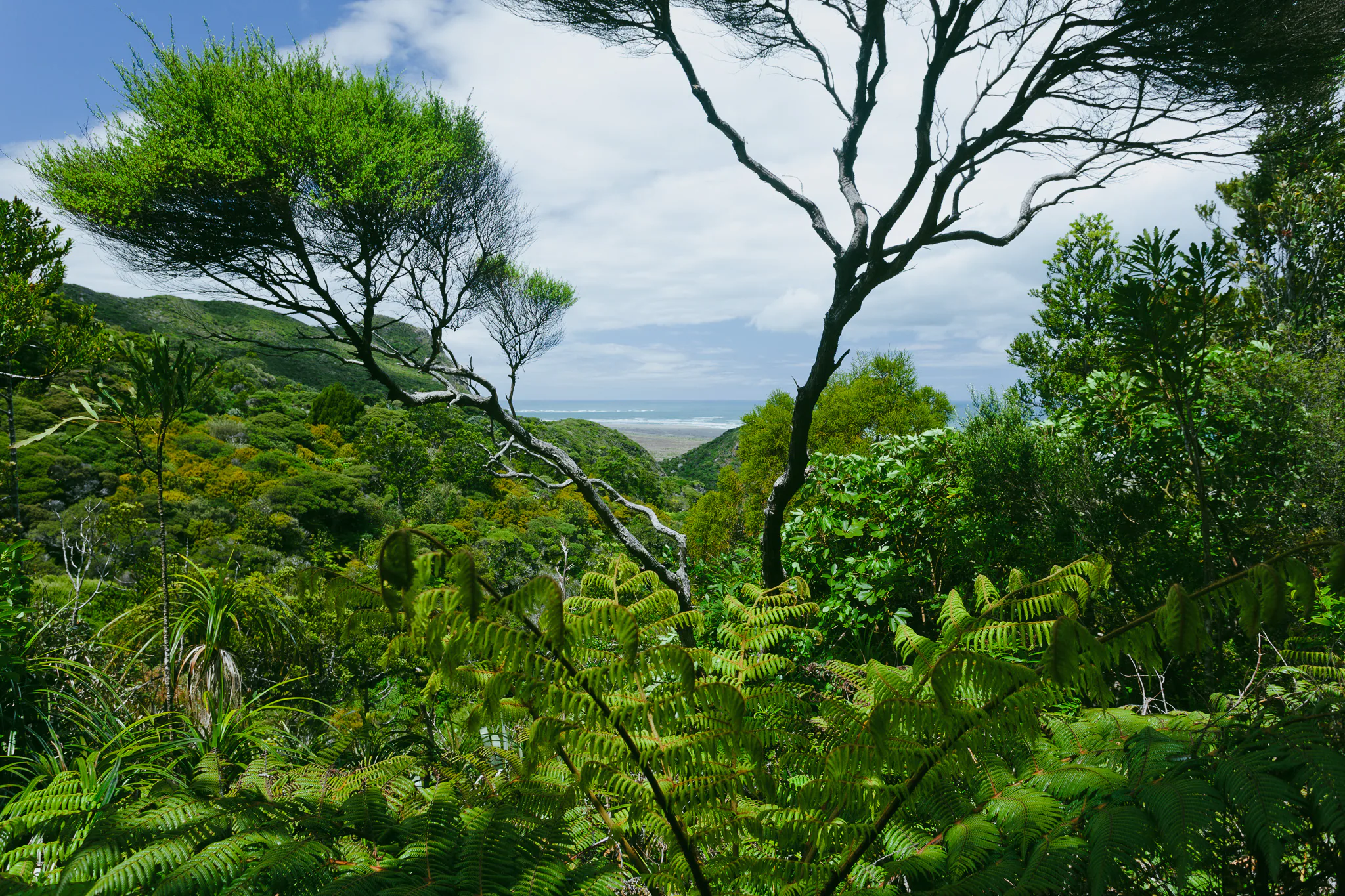
Kohekohe
Kohekohe is a distinctive evergreen native tree that can grow around 15–20 metres tall.
What to know before you plant
The essentials — how big it gets, how fast it grows, and where it sits in the forest.
Mature height (m)
Mature spread (m)
Growth rate
Successional stage
Form
Mature DBH (cm)
Description
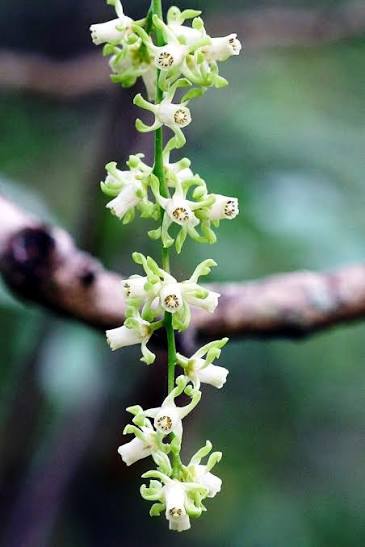
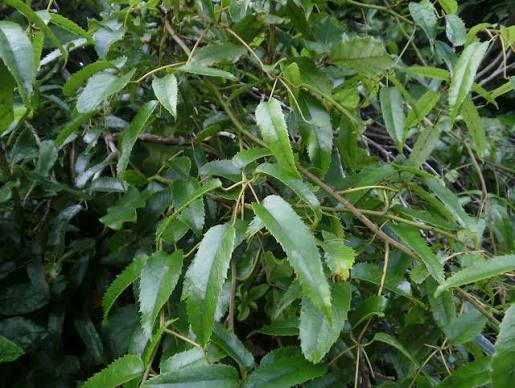
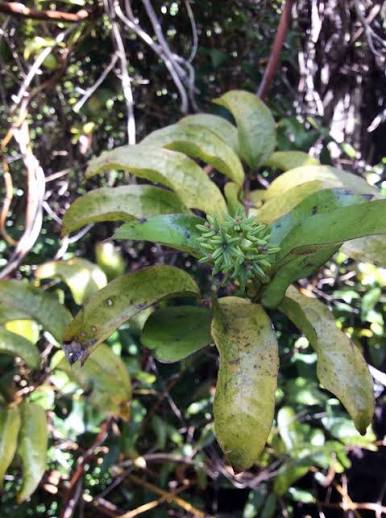
Kohekohe (Didymocheton spectabilis) is a distinctive evergreen native tree that can grow around 15–20 metres tall. It has large, glossy compound leaves made up of several broad leaflets, giving the tree a lush, tropical appearance. One of its most unusual features is its flowering habit: clusters of fragrant white flowers grow directly from the trunk and larger branches rather than only from new shoots. Flowering occurs mainly during autumn and winter. The flowers are followed by rounded green capsules that split open when mature, revealing bright orange-red seeds.
Habitat
Kohekohe is endemic to New Zealand and occurs naturally mainly in the North Island and northern parts of the South Island. It is characteristic of coastal and lowland forests, particularly in warmer areas with relatively mild conditions. Kohekohe prefers fertile, well-drained to moist soils and generally performs best in sheltered forest environments. It can become an important canopy or subcanopy tree in mature forest and is commonly associated with other broadleaf species in warm coastal and lowland ecosystems.
Cultural Importance
Kohekohe is an important tree in mātauranga Māori and has a history of use in rongoā Māori. Different parts of the tree, including its bark and leaves, were traditionally used in medicinal preparations. Its wood was also used for practical purposes. The unusual winter flowers and striking seeds make kohekohe one of the most recognisable trees of northern native forests, and healthy stands are an important feature of remaining coastal and lowland ngahere.
Ecological Role
Kohekohe is an important canopy and subcanopy tree that provides food and habitat for native wildlife. Its unusual autumn and winter flowering period provides nectar and pollen at a time when fewer native trees are flowering. This makes mature kohekohe particularly valuable to nectar-feeding birds and insects. Its seeds also provide seasonal food for wildlife, while the large evergreen crown contributes shelter and structural complexity to native forest. Mature trunks and branches provide additional surfaces for mosses, lichens and epiphytes.
Associated Birds
Tūī: Tūī are important visitors to flowering kohekohe. The tree's fragrant, nectar-producing flowers appear mainly during autumn and winter, providing an especially useful food source when fewer native plants are in bloom. As tūī move between flower clusters, they can transfer pollen and contribute to pollination.
Korimako/Bellbird: Korimako feed extensively on nectar and can visit kohekohe flowers during their unusual winter flowering season. The abundance of flowers on mature trees provides valuable seasonal feeding opportunities, while movements between blossoms can help transfer pollen between flowers and trees.
Kākā: Kākā have a varied diet that includes nectar, seeds, fruit and invertebrates. Where kohekohe and kākā occur together, the tree's flowers and seeds can contribute to the range of seasonal foods available to these native parrots. Large mature kohekohe forest also contributes to the complex forest structure used by kākā.
Kererū: Kererū are important inhabitants of lowland native forests containing kohekohe. They feed on a wide variety of native plant material, including leaves, flowers and fruit or seeds depending on availability. Their use of mature broadleaf forest makes the protection of large kohekohe and surrounding native vegetation valuable for maintaining kererū habitat.
Tauhou/Silvereye: Tauhou feed on nectar, fruit and insects and can forage around flowering kohekohe. The winter flowers provide nectar, while the tree's large compound leaves and branching structure support insects and other small invertebrates that tauhou search for while moving through the forest.
Conservation Status
Kohekohe is classified as Not Threatened in New Zealand, but populations can be severely affected by introduced browsing animals, particularly brushtail possums. Possums feed on kohekohe leaves, flowers and fruit and can heavily defoliate trees. Rats and other introduced animals can also consume seeds and affect regeneration. In forests with effective pest control, kohekohe can recover strongly and produce impressive displays of flowers and seed.
Interesting Facts
- Kohekohe is endemic to New Zealand, meaning it occurs naturally nowhere else in the world.
- It is a member of the mahogany family, Meliaceae.
- Kohekohe is unusual among New Zealand trees because it flowers mainly during autumn and winter.
- Its flowers grow directly from the trunk and large branches, a growth habit known as cauliflory.
- The white flowers are fragrant and can appear in large clusters hanging from mature trunks.
- Its green capsules split open when mature to expose striking orange-red seeds.
- Kohekohe's large compound leaves give it an appearance more commonly associated with subtropical forests.
- Introduced possums can cause severe damage by eating its foliage, flowers and developing fruit.
- Pest control can greatly improve flowering, seed production and regeneration in kohekohe forest.
Conservation Tips
Controlling possums, rats and other introduced pests is particularly valuable for protecting kohekohe. Reduced browsing allows trees to retain healthy foliage and produce flowers and seeds, while rodent control can improve the survival of reproductive material and seedlings. Protecting remaining coastal and lowland native forest is also important because these habitats have experienced extensive historical clearance. In restoration projects, kohekohe is best planted in relatively warm, sheltered locations with suitable moisture and protection from browsing while young.
Growing conditions
Sun
Moisture
Soil
Drainage
Frost tolerance
Wind tolerance
Coastal tolerance
What this tree gives back

Food for native birds
Fruit, seeds or nectar that feed native birds.
Supports pollinators
Flowers that sustain native bees and insects.
Erosion control
Roots that bind soil and hold slopes together.
Suits riparian planting
Thrives along stream and river margins.

Suits wetland planting
Handles the wet ground of wetland sites.
More native trees
Explore other species

Ready to plant natives?
Assess your land and discover the right planting approach for your forest.