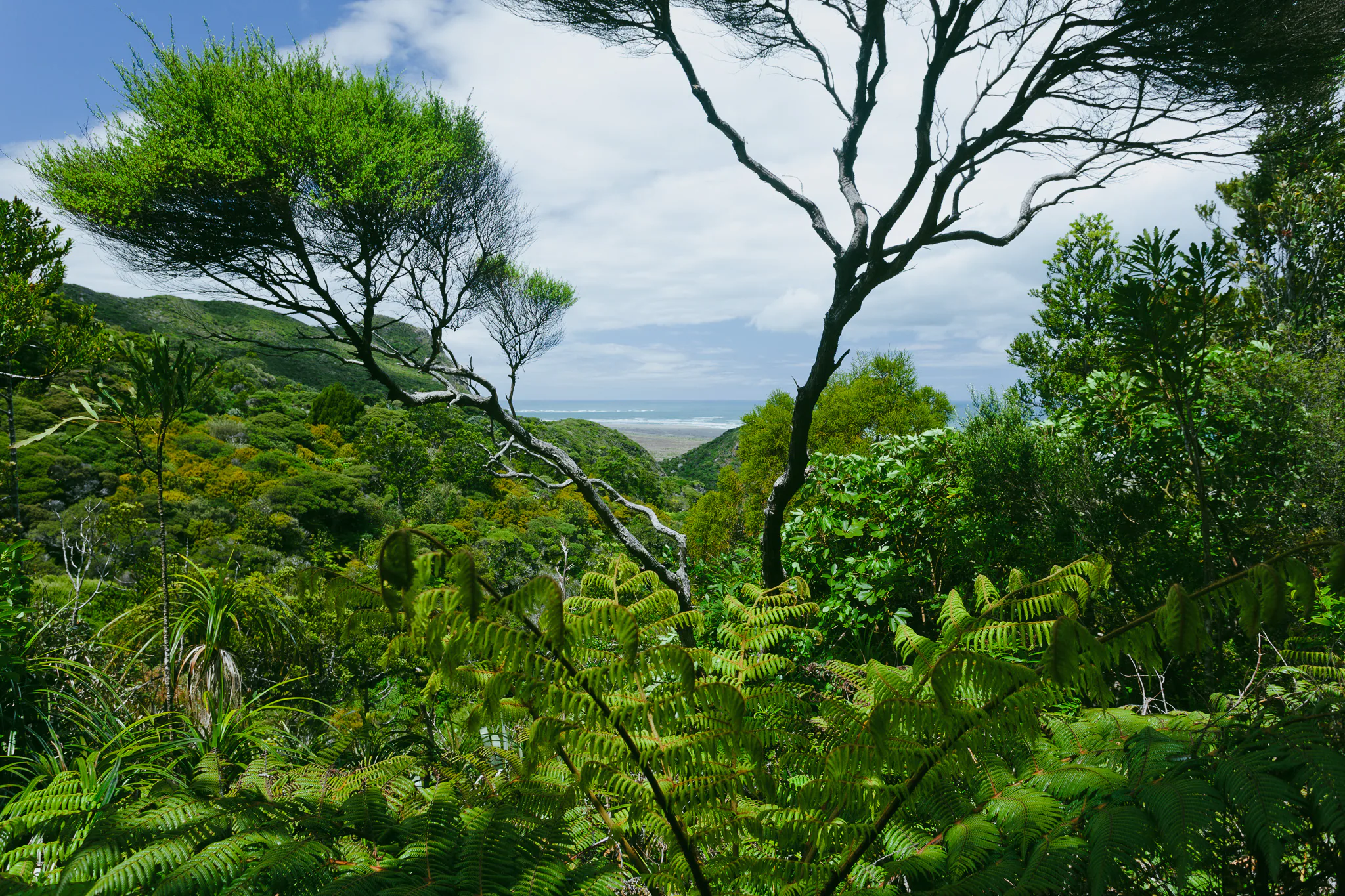
Kōhūhū
Kōhūhū, commonly known as black matipo, is a fast-growing evergreen native shrub or small tree that typically reaches 5–10 metres tall.
What to know before you plant
The essentials — how big it gets, how fast it grows, and where it sits in the forest.
Mature height (m)
Mature spread (m)
Growth rate
Successional stage
Form
Mature DBH (cm)
Description
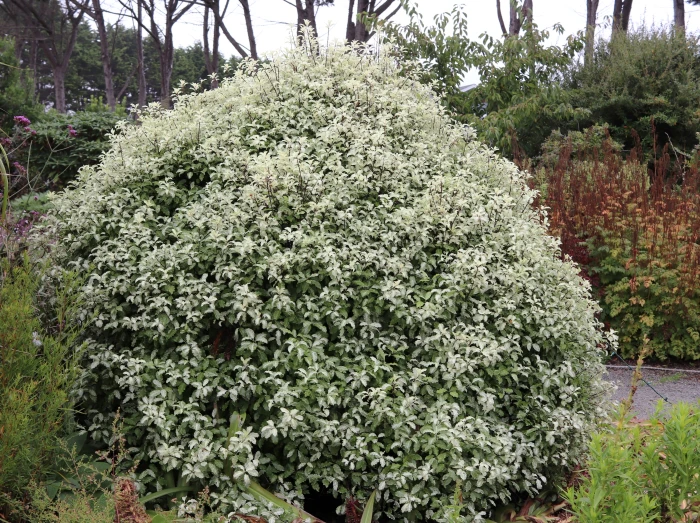
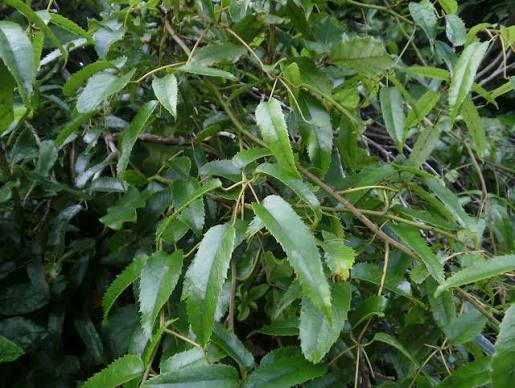
Kōhūhū (Pittosporum tenuifolium), commonly known as black matipo, is a fast-growing evergreen native shrub or small tree that typically reaches 5–10 metres tall, although mature specimens can grow taller in favourable conditions. It has a dense, rounded crown, slender dark branches and small, glossy green leaves with gently wavy margins. The dark purplish-black bark and young stems provide a striking contrast with the foliage. In spring, kōhūhū produces small, dark purple to almost black flowers with a sweet fragrance that is particularly noticeable in the evening. These are followed by rounded capsules that split open to expose sticky black seeds.
Habitat
Kōhūhū is endemic to New Zealand and is widespread throughout the North Island and South Island. It occurs from coastal and lowland areas into montane environments and is particularly common in forest margins, shrublands, regenerating forest, stream margins and disturbed sites. Kōhūhū tolerates a wide range of soils and conditions, including wind and moderate exposure, although it generally grows best on well-drained soils. Its adaptability and relatively rapid growth make it an important component of regenerating native vegetation.
Cultural Importance
Kōhūhū is a familiar native tree with a history of recognition and use within mātauranga Māori. Its resinous plant material and other parts of the tree have been associated with traditional uses, including fragrant preparations. The dark stems, attractive foliage and scented flowers have also made kōhūhū popular in gardens and restoration planting. Today it is widely valued as a hardy native species for shelter, revegetation and the establishment of native forest.
Ecological Role
Kōhūhū is particularly valuable as a pioneer and early-successional species. It establishes relatively quickly in open or disturbed areas, where its dense evergreen crown provides shelter and creates more favourable conditions for other native plants. Its strongly scented flowers provide nectar and pollen for insects, particularly nocturnal insects attracted by their evening fragrance. The foliage and branching structure support a variety of invertebrates, which in turn provide food for insect-eating native birds. Dense kōhūhū also provides shelter, perching and potential nesting habitat.
Associated Birds
Riroriro/Grey Warbler: Riroriro forage actively through kōhūhū foliage for caterpillars, spiders and other small invertebrates. The tree's dense network of branches and evergreen leaves provides useful year-round feeding and sheltering habitat.
Pīwakawaka/Fantail: Pīwakawaka benefit primarily from the insect life associated with kōhūhū. They frequently use branches as perches before making short flights to capture small flying insects, making dense native shrubland and forest margins containing kōhūhū useful foraging habitat.
Tauhou/Silvereye: Tauhou forage through kōhūhū for insects and can use its dense foliage for shelter. The tree is especially useful as part of mixed native shrubland, where tauhou move between flowering, fruiting and insect-rich plants in search of different foods.
Miromiro/Tomtit: Where their ranges overlap, miromiro use native forest and shrubland vegetation such as kōhūhū as insect-foraging habitat. They search branches, trunks and foliage for small invertebrates and use the surrounding vegetation for perching and shelter.
Conservation Status
Kōhūhū is classified as Not Threatened in New Zealand and remains widespread across much of its natural range. Its ability to establish in disturbed areas, forest margins and regenerating vegetation makes it relatively resilient. Maintaining native shrublands and forest margins remains important, however, because these habitats provide ecological connections between larger forest remnants and support many native birds, insects and other organisms.
Interesting Facts
- Kōhūhū is endemic to New Zealand, meaning it occurs naturally nowhere else in the world.
- It is also commonly known as black matipo, although it is not closely related to māpou, which is also sometimes called matipo.
- Its dark purple flowers are small but strongly fragrant, particularly during the evening and at night.
- The nighttime fragrance helps attract nocturnal insect pollinators such as moths.
- Its seed capsules split open to reveal black seeds coated in a sticky resinous substance characteristic of Pittosporum species.
- The botanical name Pittosporum refers to the sticky or resinous coating surrounding the seeds.
- Kōhūhū is relatively fast-growing and can provide early shelter for slower-growing native forest plants.
- Its tolerance of wind and a range of soil conditions makes it particularly useful for ecological restoration and shelter planting.
- Numerous cultivated forms of kōhūhū have been developed for gardens because of the species' attractive foliage and hardy growth.
Conservation Tips
Kōhūhū is a useful species for establishing native cover on forest margins, exposed sites and regenerating land. Planting it with other locally appropriate pioneer species can quickly create shelter for slower-growing canopy and understorey plants. Young trees should be protected from browsing animals, and invasive weeds should be controlled during establishment. In restoration projects, using locally sourced plants and combining kōhūhū with a diverse range of flowering and fruiting natives will create more valuable habitat for birds, insects and other wildlife.
Growing conditions
Sun
Moisture
Soil
Drainage
Frost tolerance
Wind tolerance
Coastal tolerance
What this tree gives back

Food for native birds
Fruit, seeds or nectar that feed native birds.
Supports pollinators
Flowers that sustain native bees and insects.
Erosion control
Roots that bind soil and hold slopes together.
Suits riparian planting
Thrives along stream and river margins.

Suits wetland planting
Handles the wet ground of wetland sites.
More native trees
Explore other species

Ready to plant natives?
Assess your land and discover the right planting approach for your forest.