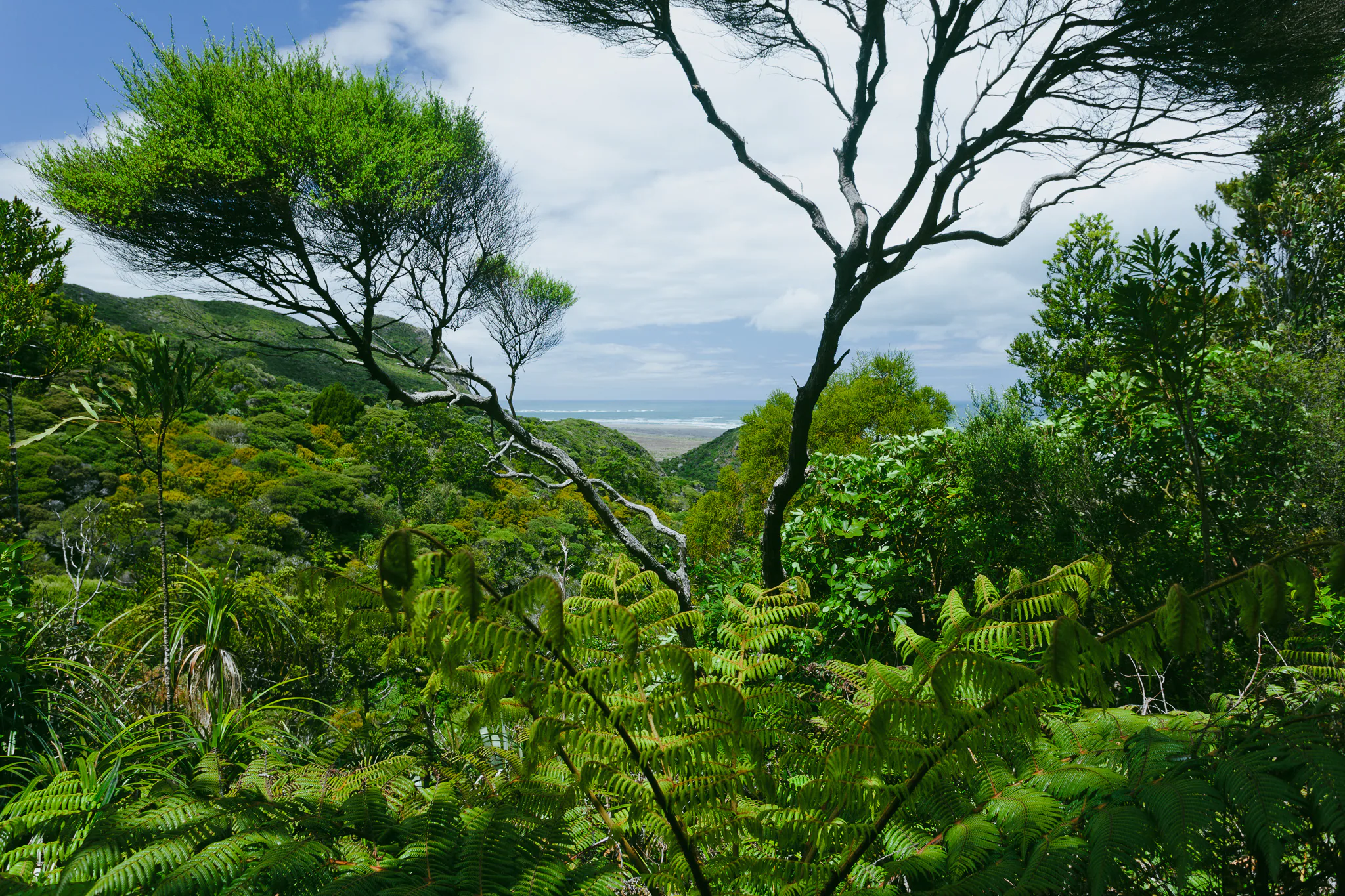
Makomako
Makomako, commonly known as wineberry, is a fast-growing native shrub or small tree that typically reaches 6–10 metres tall.
What to know before you plant
The essentials — how big it gets, how fast it grows, and where it sits in the forest.
Mature height (m)
Mature spread (m)
Growth rate
Successional stage
Form
Mature DBH (cm)
Description
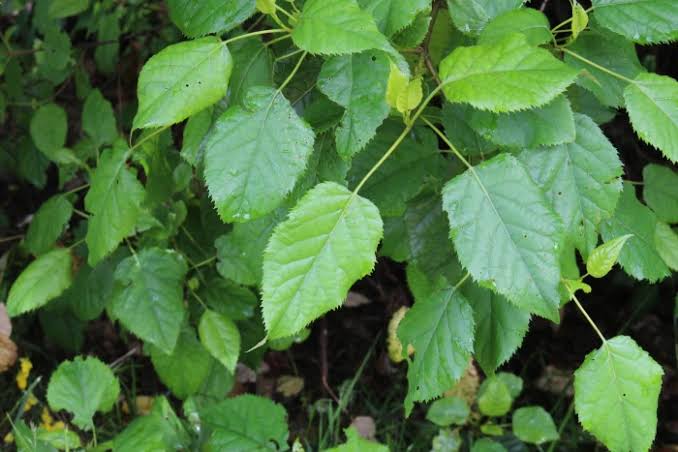
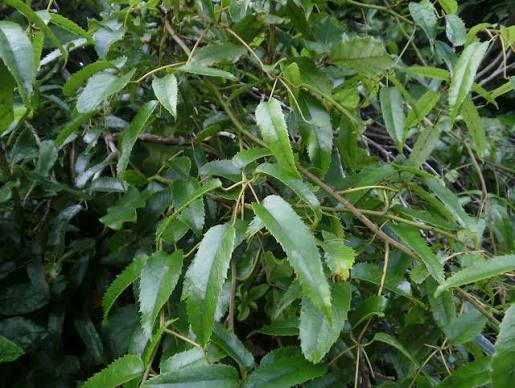
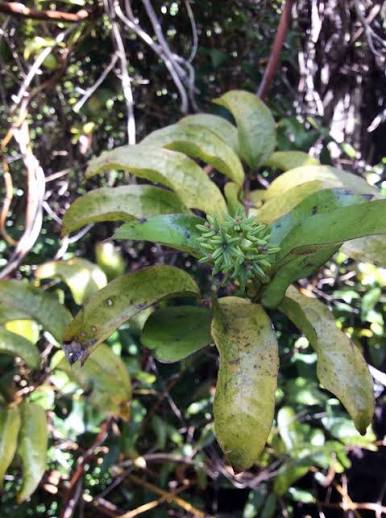
Makomako (Aristotelia serrata), commonly known as wineberry, is a fast-growing native shrub or small tree that typically reaches 6–10 metres tall. It has relatively large, thin leaves with strongly toothed margins, often showing reddish or purplish colouring on young growth and leaf stalks. In spring, makomako produces clusters of small pinkish to reddish flowers. These are followed by abundant fleshy berries that ripen from red to dark purple or almost black. The berries are an important seasonal food source for native birds, which help disperse the seeds through forest and regenerating vegetation.
Habitat
Makomako is endemic to New Zealand and is widespread throughout the North Island, South Island and Rakiura/Stewart Island. It occurs from lowland areas into montane forest and is especially common along forest margins, beside streams, in shrublands, on slips and in recently disturbed or regenerating vegetation. Makomako generally favours moist, reasonably fertile soils and sites with good light. Its rapid growth and ability to colonise disturbed ground make it an important early-successional species following forest clearance, slips, storms and other disturbances.
Cultural Importance
Makomako has a history of use by Māori as both a food and a useful forest plant. Its ripe berries are edible, and the species has also been associated with traditional medicinal uses. European settlers called the tree wineberry because its dark, juicy fruit could be used to produce wine and other preparations. Today, makomako is valued particularly for its role in ecological restoration, where its rapid growth and abundant fruit help establish vegetation and attract native birds.
Ecological Role
Makomako is an important pioneer and early-successional species. It can establish rapidly in open or disturbed environments, creating shade, shelter and organic matter that improve conditions for slower-growing forest plants. Its flowers provide resources for insects and other pollinators, while its abundant fleshy berries provide seasonal food for birds. Birds that consume the berries disperse the seeds into surrounding vegetation, helping makomako colonise new sites and accelerating natural forest regeneration. Its foliage also supports insects that provide food for insectivorous birds.
Associated Birds
Kererū: Kererū feed on a wide variety of native fruits and consume the fleshy berries of makomako when they are available. After feeding, they can transport seeds away from the parent plant, contributing to the spread of makomako through regenerating forest and surrounding vegetation.
Tūī: Tūī make use of makomako as a fruiting and insect-rich forest plant. They can feed on its ripe berries and forage among the foliage and flowers for other foods. Their movements between fruiting plants can contribute to seed dispersal across forest margins and regenerating areas.
Korimako/Bellbird: Korimako consume native fruits as part of their varied diet and can feed on ripe makomako berries. The flowers and foliage also support insects and other food resources. By carrying or passing seeds after feeding on fruit, korimako can contribute to natural regeneration.
Tauhou/Silvereye: Tauhou readily feed on small fleshy fruits such as makomako berries. They frequently forage through shrublands, forest margins and regenerating vegetation where makomako is common, consuming fruit as well as insects. Their mobility makes them useful dispersers of small seeds between vegetation patches.
Kākā: Kākā have a broad diet that includes native fruit, nectar, seeds and invertebrates. Where their distribution overlaps with makomako, fruiting plants can contribute to the range of seasonal foods available within regenerating and mature native forest.
Conservation Status
Makomako is classified as Not Threatened in New Zealand and remains widespread across its natural range. Its rapid growth, abundant fruit production and ability to colonise disturbed environments make it a resilient native species. However, seedlings and young plants can be affected by introduced browsing animals, while clearance and invasive weeds can reduce native regeneration at a local level.
Interesting Facts
- Makomako is endemic to New Zealand, meaning it occurs naturally nowhere else in the world.
- It is commonly called wineberry because its dark, juicy berries were used by European settlers to make wine.
- Its berries are edible and change from red to dark purple or almost black as they ripen.
- Makomako is one of the native plants that can appear rapidly after forest disturbance.
- It commonly establishes on slips, forest margins, clearings and other open sites with plenty of light.
- Its rapid growth provides early shelter that can help slower-growing native forest species establish.
- Makomako flowers can range from pale pink to deeper reddish shades.
- Native birds play an important role in dispersing its seeds after eating the fleshy berries.
- The combination of fast growth and wildlife-friendly fruit makes makomako particularly useful in ecological restoration.
Conservation Tips
Makomako is an excellent species for early-stage restoration, particularly on moist forest margins, disturbed sites and areas where rapid native cover is required. Planting it alongside other locally appropriate pioneer species can quickly create shelter and attract fruit-eating birds, which may introduce seeds from surrounding native vegetation. Protecting young plants from browsing animals and controlling aggressive weeds will improve establishment. As the restoration develops, adding slower-growing canopy and understorey species beneath the shelter created by makomako can help the site progress toward a more diverse native forest.
Growing conditions
Sun
Moisture
Soil
Drainage
Frost tolerance
Wind tolerance
Coastal tolerance
What this tree gives back

Food for native birds
Fruit, seeds or nectar that feed native birds.
Supports pollinators
Flowers that sustain native bees and insects.
Erosion control
Roots that bind soil and hold slopes together.
Suits riparian planting
Thrives along stream and river margins.

Suits wetland planting
Handles the wet ground of wetland sites.
More native trees
Explore other species

Ready to plant natives?
Assess your land and discover the right planting approach for your forest.