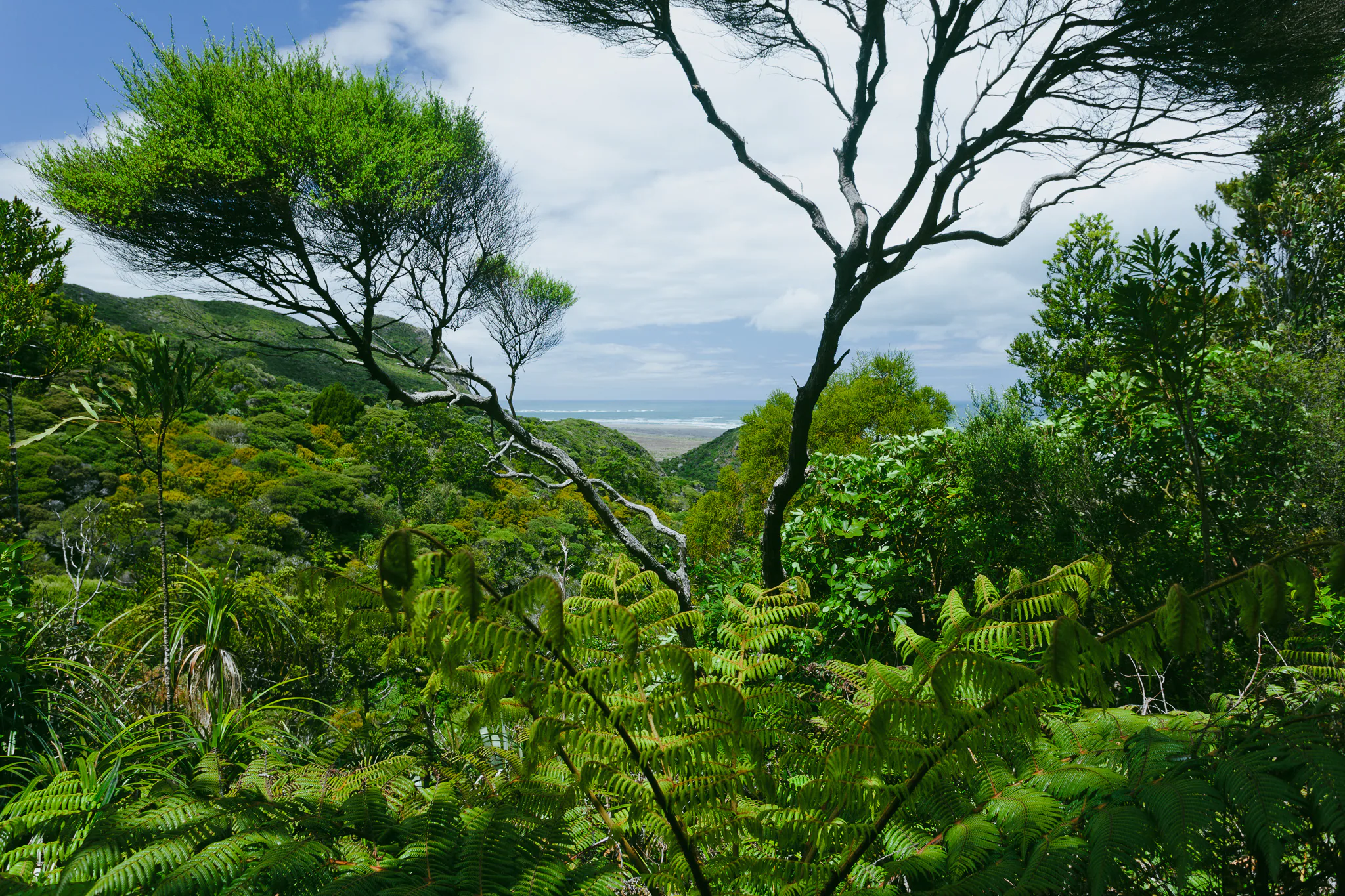
Mamaku
Mamaku is New Zealand's largest native tree fern and can grow to around 20 metres tall.
What to know before you plant
The essentials — how big it gets, how fast it grows, and where it sits in the forest.
Mature height (m)
Mature spread (m)
Growth rate
Successional stage
Form
Description
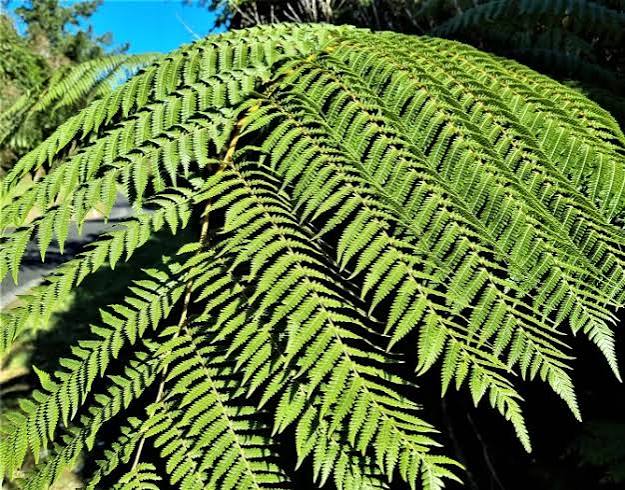
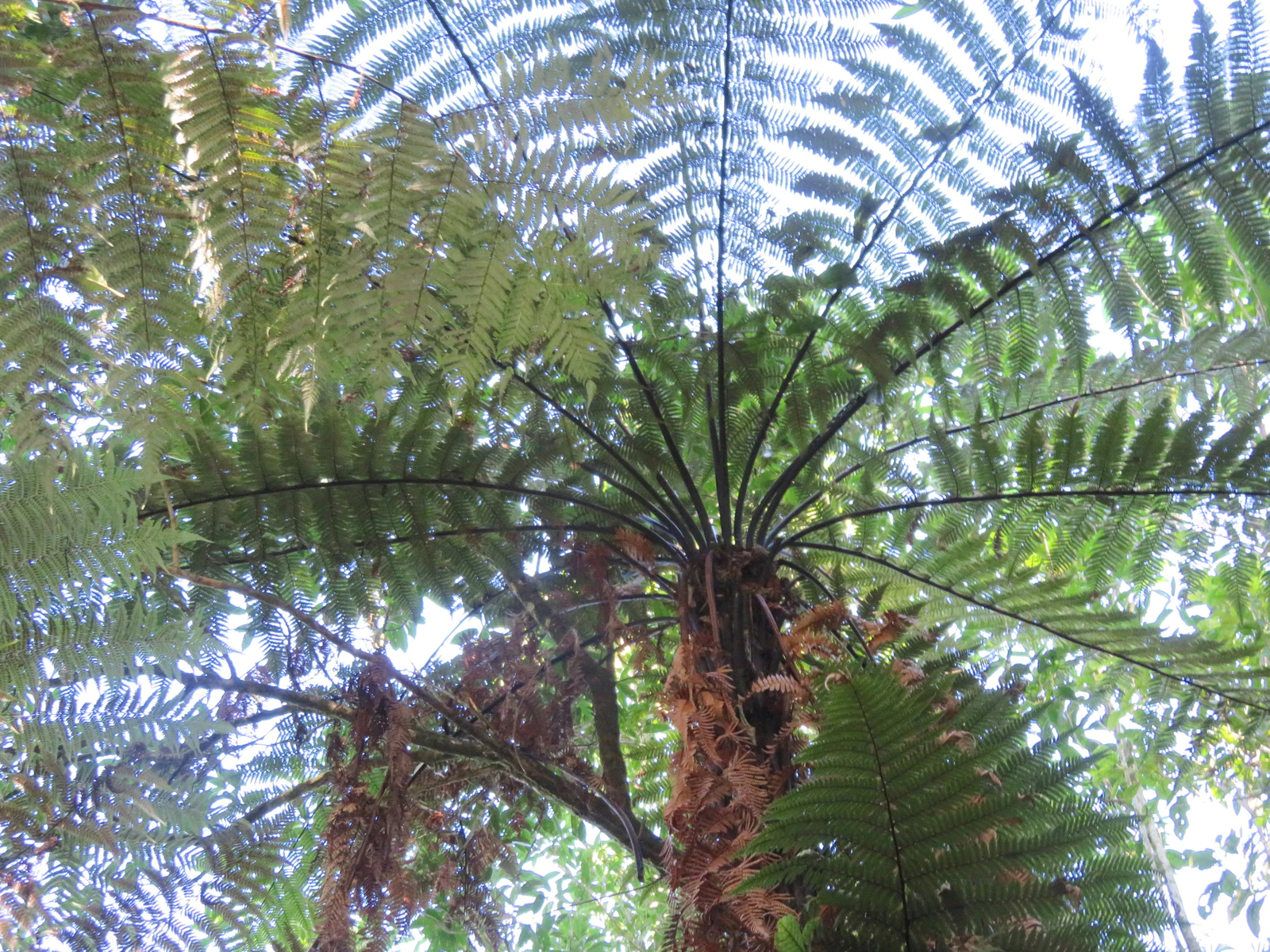
Mamaku (Sphaeropteris medullaris) is New Zealand's largest native tree fern and can grow to around 20 metres tall. It develops a tall, dark trunk topped by a dramatic crown of large, arching fronds that can reach several metres in length. The young fronds emerge tightly curled before gradually unfurling, and the stalks and undersides of the fronds are characteristically dark. Mamaku does not produce flowers, fruit or seeds. Instead, mature fronds develop clusters of spore-producing structures on their undersides, releasing tiny spores that are dispersed through the air.
Habitat
Mamaku is native to New Zealand and occurs naturally throughout much of the North Island, South Island and on several offshore islands, particularly in warmer and wetter regions. It grows in lowland and coastal forests, damp gullies, stream margins, forest edges and regenerating vegetation. Mamaku generally favours moist, sheltered environments with reliable rainfall and is particularly successful on disturbed ground, where it can establish rapidly following slips, storms or forest clearance. It is often a prominent feature of young regenerating native forest.
Cultural Importance
Mamaku is an important plant in mātauranga Māori and has a long history of practical and medicinal use. The soft, starchy pith inside the trunk and young fronds could be prepared as food, while parts of the plant have been used in rongoā Māori. The fibrous trunk and fronds also had a variety of practical applications. Mamaku remains a distinctive and culturally significant component of the ngahere, particularly in the moist forests where large specimens form striking tree-fern canopies.
Ecological Role
Mamaku plays an important role in forest regeneration and understorey development. Its rapid growth allows it to establish on disturbed sites, where its enormous fronds create shade and shelter that can help produce suitable conditions for other native forest plants. The trunk provides a moist surface on which mosses, lichens, ferns and other epiphytes can establish. Dead fronds and other plant material contribute organic matter to the forest floor, while the large crown creates sheltered habitat for insects and other small forest organisms.
Associated Birds
Kererū: Kererū commonly use tree-fern forest and regenerating native vegetation for shelter, movement and feeding. Mamaku contributes to the layered forest structure used by these large native pigeons, and its broad crown provides sheltered perching sites. Kererū also feed on the foliage of various native plants when fruit is less abundant.
Tūī: Tūī use forests containing mamaku as feeding and sheltering habitat. Although mamaku does not produce nectar-rich flowers or fleshy fruit, its enormous fronds support insects and contribute to the complex vegetation through which tūī forage while moving between flowering and fruiting plants.
Miromiro/Tomtit: Miromiro forage through native forest vegetation for insects and other small invertebrates. Mamaku's large fronds, trunk and surrounding vegetation create numerous surfaces and sheltered spaces where invertebrates occur, making tree-fern forest useful feeding habitat.
Riroriro/Grey Warbler: Riroriro search foliage for insects, spiders and other small invertebrates. The dense crowns and large fronds of mamaku contribute to the layered vegetation in regenerating and mature forests where these small birds forage and shelter.
Pīwakawaka/Fantail: Pīwakawaka are highly active insect-eating birds frequently found in forest and regenerating vegetation. They forage around mamaku and other tree ferns, catching small flying insects disturbed from the foliage and searching within the sheltered vegetation created beneath the large fronds.
Conservation Status
Mamaku is classified as Not Threatened in New Zealand and remains widespread within its natural range. Its ability to establish in disturbed and regenerating environments helps maintain healthy populations. However, individual populations can still be affected by forest clearance, browsing animals and degradation of moist native forest habitats.
Interesting Facts
- Mamaku is the tallest native tree fern in New Zealand and can reach approximately 20 metres in height.
- Its enormous fronds can grow several metres long and form a broad, umbrella-like crown.
- The dark colour of its trunk and frond stalks makes mamaku particularly distinctive among New Zealand tree ferns.
- Mamaku reproduces using microscopic spores rather than flowers, fruit or seeds.
- New fronds emerge as tightly curled koru before gradually unfurling.
- The soft pith inside the trunk was traditionally used as a food source.
- Mamaku can establish rapidly after disturbance and is an important species in regenerating native forest.
- Its tall, moist trunk can act as a growing surface for mosses, lichens, ferns and other epiphytes.
Conservation Tips
Protecting moist native forest, gullies and stream margins helps maintain healthy mamaku populations and the many organisms that use tree-fern habitat. Controlling introduced browsing animals can protect young plants and regenerating forest vegetation. Mamaku is also valuable in restoration planting where conditions are moist and sheltered, particularly when establishing a diverse forest structure. Allowing old trunks and fallen fronds to remain within restoration areas provides additional habitat and organic material while supporting the natural processes of forest regeneration.
Growing conditions
Sun
Moisture
Soil
Drainage
Frost tolerance
Wind tolerance
Coastal tolerance
What this tree gives back

Food for native birds
Fruit, seeds or nectar that feed native birds.
Supports pollinators
Flowers that sustain native bees and insects.

Erosion control
Roots that bind soil and hold slopes together.
Suits riparian planting
Thrives along stream and river margins.
Suits wetland planting
Handles the wet ground of wetland sites.
More native trees
Explore other species

Ready to plant natives?
Assess your land and discover the right planting approach for your forest.