Mānatu
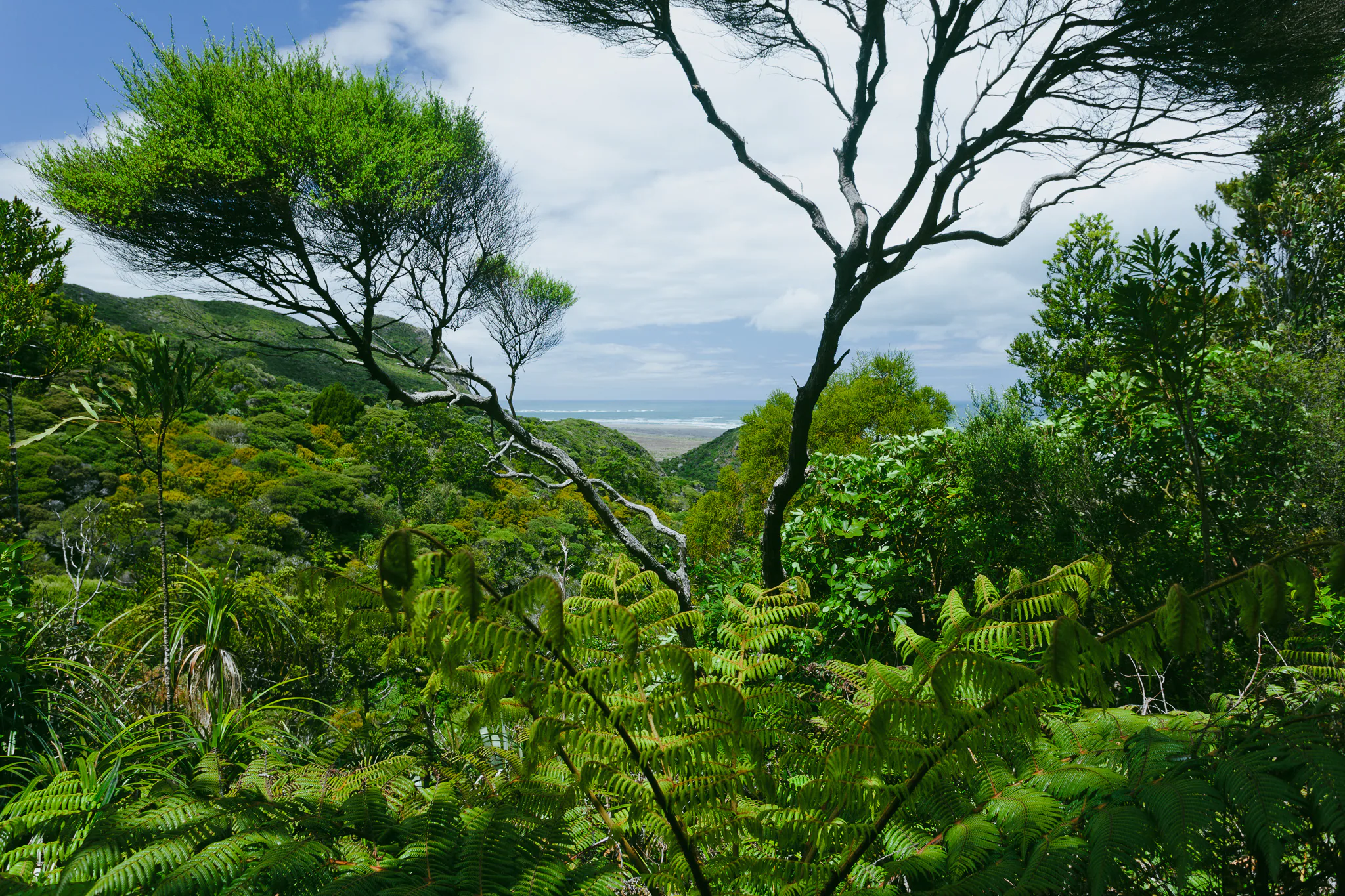
Mānatu, commonly known as lowland ribbonwood or ribbonwood, is a fast-growing deciduous native tree that can reach around 15–20 metres tall
What to know before you plant
The essentials — how big it gets, how fast it grows, and where it sits in the forest.
Mature height (m)
Mature spread (m)
Growth rate
Successional stage
Form
Mature DBH (cm)
Description
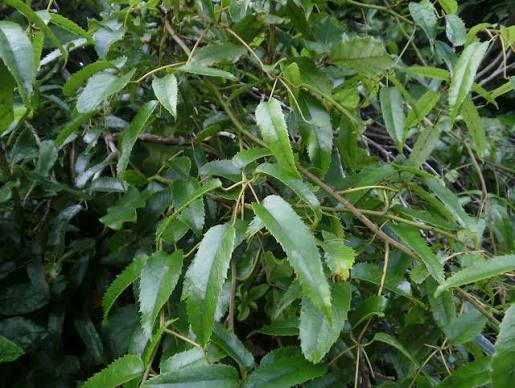
Mānatu (Plagianthus regius), commonly known as lowland ribbonwood or ribbonwood, is a fast-growing deciduous native tree that can reach around 15–20 metres tall. Young trees often have a dense, tangled, divaricating growth form with small leaves, while mature trees develop a more upright trunk, spreading crown and larger leaves. In spring, mānatu produces clusters of small greenish to cream flowers. Male and female flowers generally occur on separate trees. The flowers are followed on female trees by small dry fruits containing seeds.
Habitat
Mānatu is endemic to New Zealand and occurs naturally throughout much of the North Island and South Island. It is primarily a lowland species and is commonly associated with fertile river flats, alluvial terraces, forest margins, stream banks and moist lowland forest. It grows particularly well on fertile, moisture-retentive soils and can establish rapidly in open or disturbed areas. Mānatu is characteristic of lowland and riparian environments and can form an important part of regenerating forest on floodplains and river terraces.
Cultural Importance
Mānatu has a history of practical use by Māori, particularly because of the strong, fibrous inner bark characteristic of ribbonwood. Bark fibres could be used for cordage and other purposes requiring flexible plant material. The tree was also recognised as part of the useful vegetation of fertile lowland and river environments. Today, mānatu is valued as an important restoration tree, particularly in riparian and lowland projects where its rapid growth can provide early shelter and canopy development.
Ecological Role
Mānatu is an important pioneer and early-successional tree in fertile lowland environments. Its rapid growth allows it to establish a tall canopy relatively quickly, providing shelter and shade that can help other native forest species establish beneath it. Its flowers provide pollen and nectar resources for insects, while the foliage supports a variety of invertebrates that provide food for insect-eating birds. Along streams and rivers, its roots and vegetation contribute to bank stability, riparian cover and the development of more complex native forest.
Associated Birds
Riroriro/Grey Warbler: Riroriro forage through mānatu foliage for caterpillars, spiders and other small invertebrates. The tree's leafy crown and branching structure provide extensive feeding habitat, particularly where mānatu forms part of regenerating lowland or riparian forest.
Pīwakawaka/Fantail: Pīwakawaka frequently forage around native trees for small flying insects. The dense foliage and insect life associated with mānatu provide useful feeding habitat, while its branches offer perches from which fantails can pursue insects through the surrounding vegetation.
Miromiro/Tomtit: Miromiro are primarily insectivorous and use native forest trees as feeding and perching habitat. Where their range overlaps with mānatu, they can forage around its trunk, branches and foliage for insects and other small invertebrates.
Tauhou/Silvereye: Tauhou have a varied diet that includes insects, fruit and nectar. On mānatu they are most likely to benefit from the insects associated with its flowers and foliage. The tree's rapidly developing crown also provides useful shelter and foraging structure in regenerating native vegetation.
Conservation Status
Mānatu is classified as Not Threatened in New Zealand. However, much of the fertile lowland forest and floodplain habitat where it naturally occurs has historically been cleared or modified for agriculture, settlement and infrastructure. Protecting remaining lowland forest remnants, riparian margins and naturally regenerating populations is therefore important even though the species itself remains relatively widespread.
Interesting Facts
- Mānatu is New Zealand's tallest member of the mallow family, Malvaceae.
- Mature trees can reach approximately 15–20 metres in height.
- It is one of New Zealand's relatively small number of fully deciduous native trees.
- Juvenile mānatu have tangled, interlacing branches that look very different from the growth of mature trees.
- Its common name, ribbonwood, refers to the strong fibrous inner bark.
- Mānatu is closely related to saltmarsh ribbonwood (Plagianthus divaricatus), but the two occupy very different habitats.
- It is particularly characteristic of fertile river flats, floodplains and other lowland alluvial environments.
- Its rapid growth makes mānatu valuable as an early canopy and shelter species in ecological restoration.
- Male and female flowers are generally produced on separate trees, so planting several individuals improves the likelihood of successful seed production.
Conservation Tips
Mānatu is particularly suitable for restoration of fertile lowland sites, river terraces, stream margins and riparian areas. Planting several individuals helps ensure that both male and female trees are present for successful reproduction. Young plants should be protected from browsing animals, and invasive weeds should be controlled while native vegetation establishes. Because mānatu grows rapidly and provides early shelter, it can be planted alongside slower-growing canopy and understorey species to help create a diverse, self-sustaining native forest over time.
Growing conditions
Sun
Moisture
Soil
Drainage
Frost tolerance
Wind tolerance
Coastal tolerance
What this tree gives back

Food for native birds
Fruit, seeds or nectar that feed native birds.
Supports pollinators
Flowers that sustain native bees and insects.
Erosion control
Roots that bind soil and hold slopes together.
Suits riparian planting
Thrives along stream and river margins.

Suits wetland planting
Handles the wet ground of wetland sites.
More native trees
Explore other species

Ready to plant natives?
Assess your land and discover the right planting approach for your forest.