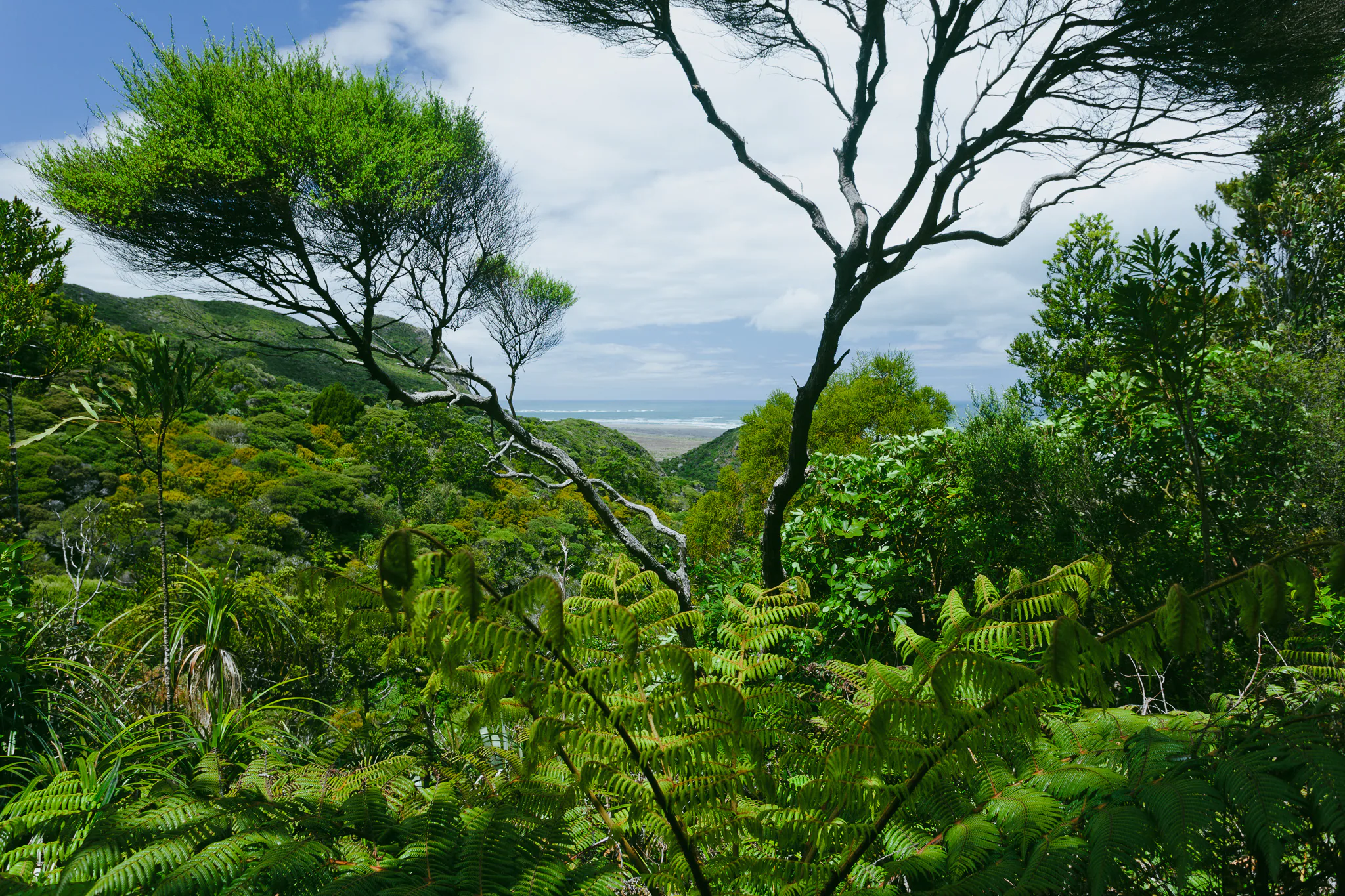
Māpou
Māpou is a common evergreen native shrub or small tree that typically grows around 3–6 metres tall, although it can reach approximately 10 m
What to know before you plant
The essentials — how big it gets, how fast it grows, and where it sits in the forest.
Mature height (m)
Mature spread (m)
Growth rate
Successional stage
Form
Mature DBH (cm)
Description
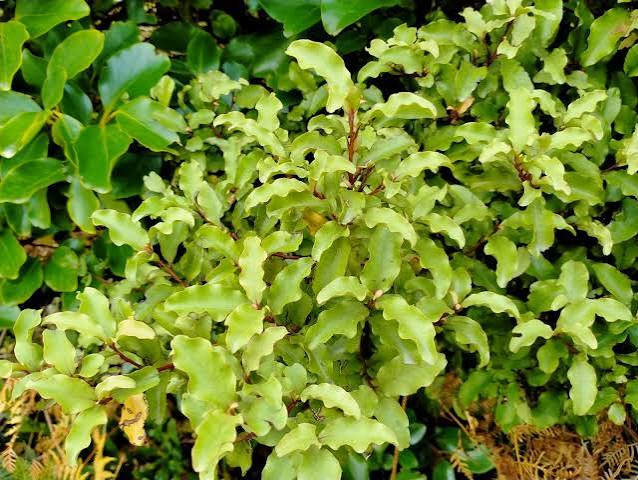
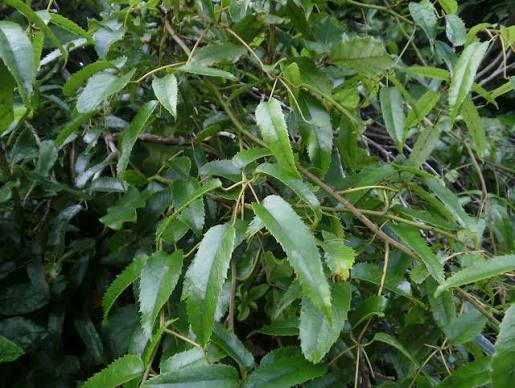
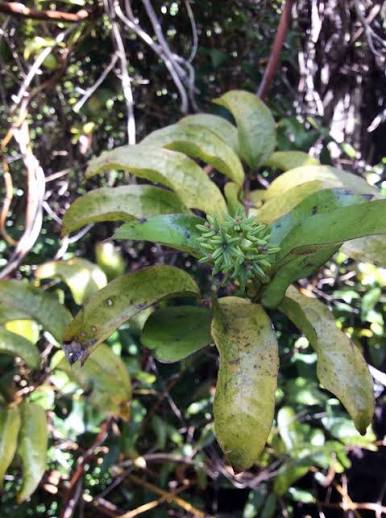
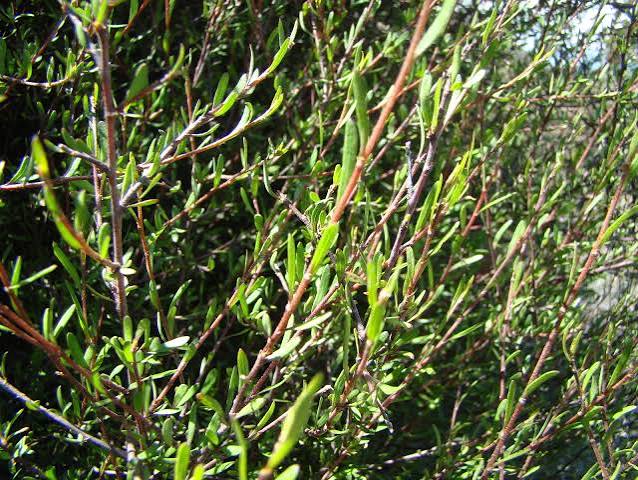
Māpou (Myrsine australis), also known as red māpou or red matipo, is a common evergreen native shrub or small tree that typically grows around 3–6 metres tall, although it can reach approximately 10 metres in favourable conditions. It has distinctive reddish young stems and small, thick, glossy leaves with slightly wavy or toothed margins. Small cream, yellowish or pinkish flowers are produced in clusters along the branches. These are followed by small, rounded fleshy fruits that mature to dark purple or black and provide food for native birds.
Habitat
Māpou is endemic to New Zealand and is widespread throughout the North Island, South Island and Rakiura/Stewart Island. It occurs from coastal and lowland environments into montane forest and is particularly common in forest margins, shrublands, regenerating vegetation and disturbed sites. Māpou tolerates a relatively broad range of soils and environmental conditions and can grow in both exposed and partially shaded situations. Its adaptability and ability to establish in open vegetation make it an important species during native forest regeneration.
Cultural Importance
Māpou is a familiar component of native forest and shrubland and has long been recognised within mātauranga Māori. Its hard, durable wood was suitable for small practical implements and other purposes where a strong material was useful. Today, māpou is particularly valued as a hardy native restoration plant because it establishes readily, provides shelter for other vegetation and contributes food and habitat for indigenous wildlife.
Ecological Role
Māpou is an important early-successional and forest-margin species. Its dense evergreen foliage provides shelter for birds, insects and other small animals, while its flowers support native insects. The small fleshy fruits are consumed by birds, which subsequently disperse the seeds into surrounding forest, shrubland and open sites. Because māpou can establish relatively early during vegetation recovery, it can provide shelter and improve conditions for more shade-tolerant forest species to establish beneath and around it.
Associated Birds
Kererū: Kererū consume a wide variety of native fruits and can feed on the fleshy fruits of māpou. Their movements between fruiting trees and shrubs help transport seeds through the landscape, supporting the spread and regeneration of native vegetation.
Tūī: Tūī feed on fruit, nectar and insects and can make use of fruiting māpou as part of their varied seasonal diet. They also forage among the foliage for insects and use dense native shrubland for shelter and movement between larger forest trees.
Korimako/Bellbird: Korimako consume small native fruits as well as nectar and invertebrates. Fruiting māpou can contribute to their seasonal food supply, particularly where the species is abundant in regenerating forest and shrubland. Birds feeding on the fruit can also assist with seed dispersal.
Tauhou/Silvereye: Tauhou are well suited to feeding on the small fleshy fruits produced by māpou. They forage actively through shrubs and forest margins for both fruit and insects and can transport seeds between patches of vegetation, contributing to natural regeneration.
Riroriro/Grey Warbler: Riroriro primarily feed on insects rather than māpou fruit. The tree's dense foliage and fine branching provide useful insect-foraging habitat, allowing these small native birds to search among leaves and twigs for spiders, caterpillars and other invertebrates.
Conservation Status
Māpou is classified as Not Threatened in New Zealand and remains widespread and common across much of its natural range. Its ability to colonise disturbed ground and regenerating vegetation makes it relatively resilient compared with many slower-growing forest species. Nevertheless, local populations and associated wildlife benefit from protection of native forest remnants, shrublands and ecological corridors from clearance, browsing and invasive weeds.
Interesting Facts
- Māpou is endemic to New Zealand, occurring naturally nowhere else in the world.
- It is also widely known as red māpou or red matipo.
- Its reddish young stems and branches are one of the easiest features to use when identifying the plant.
- Māpou produces small fleshy fruits that ripen to dark purple or black and are eaten by native birds.
- It can grow from exposed shrubland and forest margins into the understorey of established native forest.
- Māpou is useful during forest regeneration because its dense growth can provide shelter for other native seedlings.
- It belongs to the genus Myrsine, a group of trees and shrubs found in tropical, subtropical and temperate regions around the world.
- Its tolerance of a range of conditions makes it a useful species for native restoration and revegetation projects.
Conservation Tips
Māpou is particularly useful for restoration of forest margins, regenerating shrubland and other sites where hardy native cover is required. Establishing groups of māpou alongside other locally appropriate pioneer and fruiting species can quickly increase vegetation structure and provide food and shelter for native birds. Controlling browsing animals and invasive weeds will improve establishment, while retaining naturally regenerating māpou can help accelerate the transition from open ground or shrubland toward more complex native forest.
Growing conditions
Sun
Moisture
Soil
Drainage
Frost tolerance
Wind tolerance
Coastal tolerance
What this tree gives back

Food for native birds
Fruit, seeds or nectar that feed native birds.
Supports pollinators
Flowers that sustain native bees and insects.
Erosion control
Roots that bind soil and hold slopes together.
Suits riparian planting
Thrives along stream and river margins.

Suits wetland planting
Handles the wet ground of wetland sites.
More native trees
Explore other species

Ready to plant natives?
Assess your land and discover the right planting approach for your forest.