Native Jasmine
Native jasmine is a vigorous evergreen climbing vine endemic to New Zealand
What to know before you plant
The essentials — how big it gets, how fast it grows, and where it sits in the forest.
Mature height (m)
Growth rate
Successional stage
Form
Description
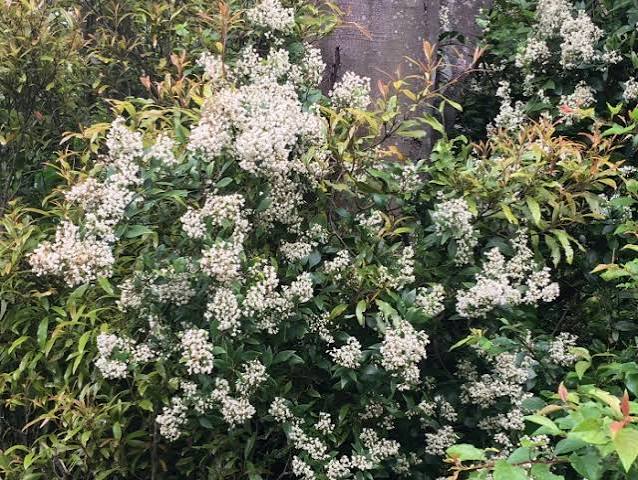
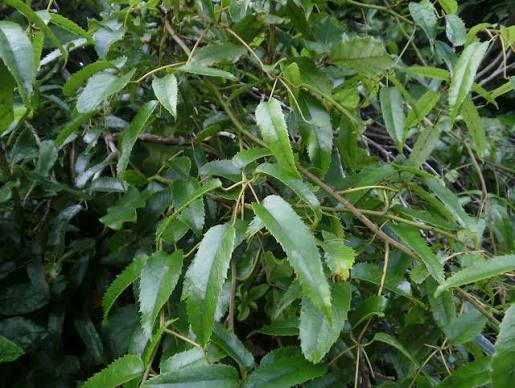
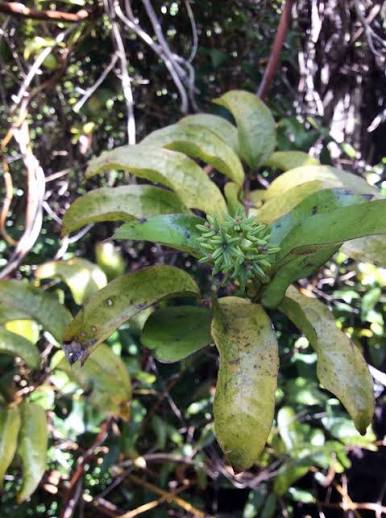
Native jasmine (Parsonsia heterophylla), also known as kaihua or New Zealand jasmine, is an evergreen endemic climbing vine or liane that can climb 10 metres or more into surrounding vegetation. Young plants have remarkably variable leaves that can be narrow, lobed or irregularly shaped, while mature climbing stems generally develop larger, simpler leaves. Native jasmine produces clusters of small, fragrant, creamy-white to pale yellow flowers. These are followed by long, narrow seed pods that split open when mature, releasing numerous seeds with silky hairs that allow them to be carried by the wind.
Habitat
Native jasmine is widespread throughout the North Island, South Island and Rakiura/Stewart Island. It occurs in coastal, lowland and montane forests, shrublands, forest margins, gullies and regenerating native vegetation. The vine climbs through shrubs and trees to reach brighter conditions above the forest floor but can establish while young in partially shaded environments. It is particularly characteristic of forest margins and regenerating areas where suitable trees and shrubs provide climbing support.
Cultural Importance
Native jasmine is known by several Māori names, including kaihua, kaiwhiria and akakiore. As a conspicuous climbing component of native forest, it forms part of the diverse vegetation of the ngahere recognised within mātauranga Māori. Today, native jasmine is also valued for ecological restoration and native gardens because of its attractive foliage, fragrant flowers and ability to add a climbing layer to planted forest communities.
Ecological Role
Native jasmine contributes an important climbing layer to native forest, increasing structural diversity between the understorey and canopy. Its flowers provide nectar and pollen for insects, while the foliage and tangled stems create shelter and foraging surfaces for invertebrates. Unlike many native vines that rely on birds to disperse fleshy fruit, native jasmine produces dry pods containing lightweight, silky-haired seeds that are dispersed primarily by wind. In regenerating forest, the vine helps recreate the complex vegetation structure characteristic of established native ecosystems.
Associated Birds
Riroriro/Grey Warbler: Riroriro can forage through native jasmine and surrounding vegetation for caterpillars, spiders and other small invertebrates. The vine's leaves, stems and climbing growth increase the amount of insect-rich vegetation available within the forest understorey and subcanopy.
Pīwakawaka/Fantail: Pīwakawaka benefit indirectly from the insect communities associated with native jasmine. They capture small flying insects around forest foliage and can use nearby branches and tangled vines as perches while feeding.
Tauhou/Silvereye: Tauhou forage widely through flowering and leafy native vegetation for insects and nectar. Native jasmine's flowers and dense climbing foliage contribute feeding opportunities within forest margins and regenerating vegetation, although the plant does not produce fleshy berries for birds.
Miromiro/Tomtit: Where their ranges overlap, miromiro can use vine-rich native forest as insect-foraging habitat. Native jasmine adds foliage and structural complexity around shrubs and trees, increasing the surfaces on which small invertebrates can live and be found by insectivorous birds.
Conservation Status
Native jasmine is classified as Not Threatened in New Zealand and remains widespread across its natural range. Its ability to grow in mature forest, forest margins and regenerating vegetation makes it relatively resilient. Local populations can nevertheless be affected by forest clearance, browsing animals and competition from invasive climbing plants that smother native vegetation.
Interesting Facts
- Native jasmine is endemic to New Zealand, meaning it occurs naturally nowhere else in the world.
- It can climb more than 10 metres through surrounding trees and shrubs.
- Despite its common name, it is not a true jasmine of the genus Jasminum.
- Juvenile plants can produce an extraordinary variety of leaf shapes, which is reflected in the scientific name heterophylla, meaning different-leaved.
- Mature plants generally develop simpler and more consistent leaf shapes than juveniles.
- Its small cream-coloured flowers are fragrant and occur in branching clusters.
- Native jasmine produces long pods rather than fleshy berries.
- Its seeds have silky hairs that help them travel through the air, making wind its principal method of seed dispersal.
- As a native liane, it helps recreate the complex vertical structure of natural forest.
Conservation Tips
Native jasmine is useful in restoration projects where a diverse forest structure is desired. It should be planted near sturdy native shrubs or trees that can provide climbing support as the vine develops. Controlling invasive vines and other aggressive weeds is particularly important because they can compete with or overwhelm native climbers. Retaining forest margins and naturally regenerating vegetation also provides suitable habitat for native jasmine and the insects and birds associated with vine-rich native forest.
Growing conditions
Sun
Moisture
Soil
Drainage
Frost tolerance
Wind tolerance
Coastal tolerance
What this tree gives back

Food for native birds
Fruit, seeds or nectar that feed native birds.
Supports pollinators
Flowers that sustain native bees and insects.
Erosion control
Roots that bind soil and hold slopes together.
Suits riparian planting
Thrives along stream and river margins.

Suits wetland planting
Handles the wet ground of wetland sites.
More native trees
Explore other species

Ready to plant natives?
Assess your land and discover the right planting approach for your forest.