Pūkio
Pūkio is a large native sedge that forms distinctive dense tussocks in wetlands and around waterways.
What to know before you plant
The essentials — how big it gets, how fast it grows, and where it sits in the forest.
Mature height (m)
Growth rate
Successional stage
Form
Description
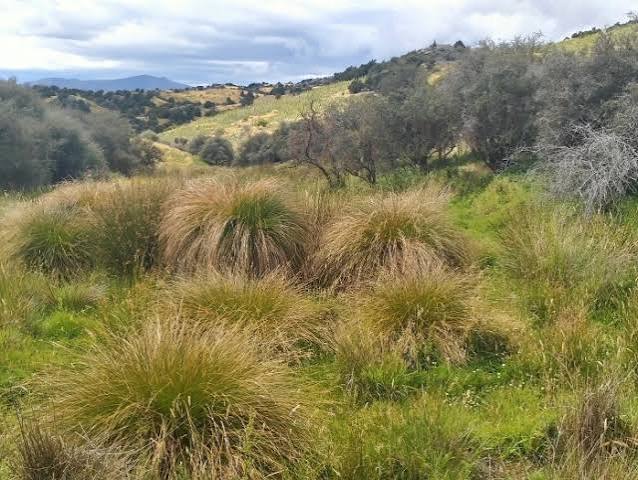
Pūkio (Carex secta) is a large native sedge that forms distinctive dense tussocks in wetlands and around waterways. It can grow around 1–1.5 metres tall, with long, narrow, arching green leaves that create a fountain-like appearance. As the plant matures, old roots, stems and leaf bases accumulate beneath the living foliage, eventually forming a thick trunk-like structure that can raise the plant above the surrounding water or wet ground. Pūkio produces slender flowering stems bearing clusters of small brownish flowers, followed by numerous small seeds.
Habitat
Pūkio is endemic to New Zealand and is widespread throughout the North Island, South Island and Rakiura/Stewart Island. It is strongly associated with wet environments and grows naturally in freshwater wetlands, swamps, lake margins, stream and river edges, seepages and other areas with permanently or seasonally saturated soils. Pūkio tolerates waterlogged conditions and periodic flooding particularly well. Large plants can form extensive sedgelands and are a characteristic feature of many New Zealand freshwater wetlands.
Cultural Importance
Pūkio has long been recognised by Māori as an important plant of wetlands and waterways. Its tough leaves and fibrous material had practical uses, while the plant's presence was closely associated with wetland environments that provided food and other resources. Pūkio remains an important species in the restoration of repo and other indigenous wetland habitats, where it helps recreate the vegetation structure and ecological functions of natural wetlands.
Ecological Role
Pūkio is an important habitat-forming species in New Zealand wetlands. Its dense tussocks provide shelter, nesting habitat and feeding areas for birds, insects, lizards and other wetland wildlife. The large root systems help hold wet soils together, stabilising stream banks and wetland margins and reducing erosion. Mature plants trap sediment and organic material around their bases, while their raised, trunk-like structures create relatively dry platforms and sheltered spaces within otherwise waterlogged environments. Dense stands can therefore greatly increase the structural complexity and biodiversity of a wetland.
Associated Birds
Pūkeko: Pūkeko are strongly associated with freshwater wetlands, swamps and densely vegetated margins. Large pūkio tussocks provide valuable shelter and cover, while the surrounding wetland provides feeding areas where pūkeko forage for plant material, seeds, insects and other small animals. Dense sedges can also provide protected places for nesting and raising chicks.
Mātātā/Fernbird: Mātātā are small native wetland birds that favour dense, low vegetation where they can move close to the ground while remaining concealed. Pūkio sedgelands provide cover and foraging habitat, supporting insects and other invertebrates that form an important part of the mātātā diet.
Kōtare/Sacred Kingfisher: Kōtare commonly use waterways, wetlands and their margins as feeding habitat. They hunt insects, small fish, freshwater animals and other prey from exposed perches. Pūkio contributes to healthy, vegetated wetland margins and the diverse aquatic and terrestrial habitat on which these feeding opportunities depend.
Conservation Status
Pūkio is classified as Not Threatened in New Zealand and remains widespread in suitable wet habitats. However, the wetlands it inhabits are among New Zealand's most heavily modified ecosystems. Drainage, land development, livestock access, changes to waterways and invasive plants can degrade or eliminate pūkio habitat even where the species itself remains relatively common.
Interesting Facts
- Pūkio is a sedge rather than a grass, despite its long, grass-like leaves.
- Mature plants can develop a substantial trunk-like base made from accumulated roots, old stems and leaf material.
- These raised bases can create small islands of relatively dry habitat within wetlands.
- Pūkio can tolerate saturated and periodically flooded soils that many woody native plants cannot survive in.
- Its dense root system makes it particularly useful for stabilising stream banks and wetland margins.
- Large stands provide important shelter and habitat for native wetland birds, insects and other wildlife.
- Pūkio is commonly used in ecological restoration and riparian planting because of its ability to establish in very wet conditions.
Conservation Tips
Protecting freshwater wetlands, streams, lake margins and swamp habitats is essential for maintaining pūkio and the wildlife associated with it. Keeping livestock out of wetlands and riparian margins prevents trampling and browsing, while controlling invasive weeds allows native sedges to establish and spread. Pūkio is particularly valuable in wetland and riparian restoration projects, where planting groups of tussocks can help stabilise saturated soils, create wildlife habitat and restore the dense vegetation structure characteristic of healthy New Zealand wetlands.
Growing conditions
Sun
Moisture
Soil
Drainage
Frost tolerance
Wind tolerance
Coastal tolerance
What this tree gives back

Food for native birds
Fruit, seeds or nectar that feed native birds.
Supports pollinators
Flowers that sustain native bees and insects.

Erosion control
Roots that bind soil and hold slopes together.
Suits riparian planting
Thrives along stream and river margins.
Suits wetland planting
Handles the wet ground of wetland sites.
More native trees
Explore other species

Ready to plant natives?
Assess your land and discover the right planting approach for your forest.