Saltmarsh Ribbonwood
Saltmarsh ribbonwood is a dense, spreading native shrub specially adapted to New Zealand's coastal wetlands and saltmarshes.
What to know before you plant
The essentials — how big it gets, how fast it grows, and where it sits in the forest.
Mature height (m)
Mature spread (m)
Growth rate
Successional stage
Form
Mature DBH (cm)
Description
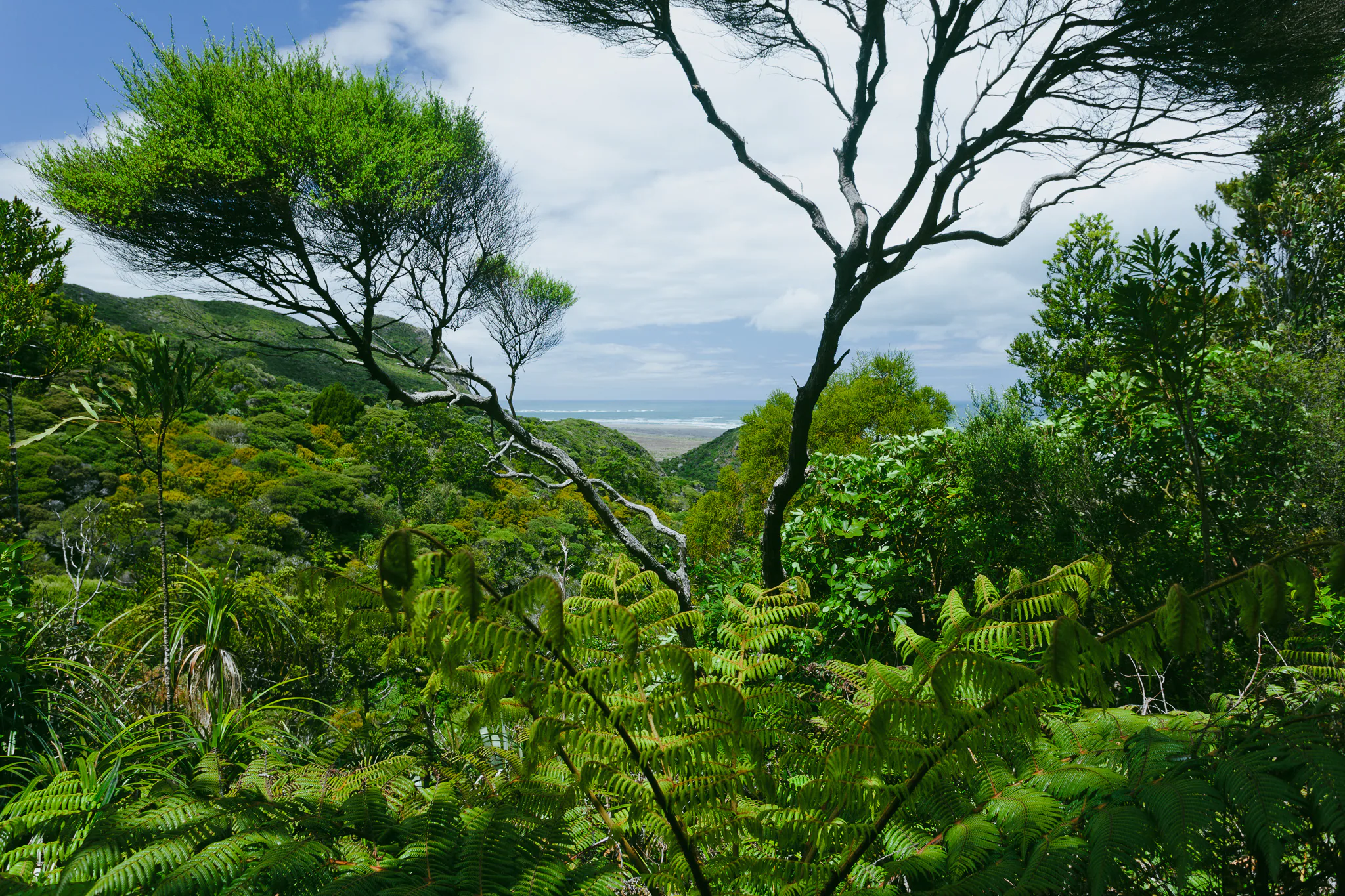
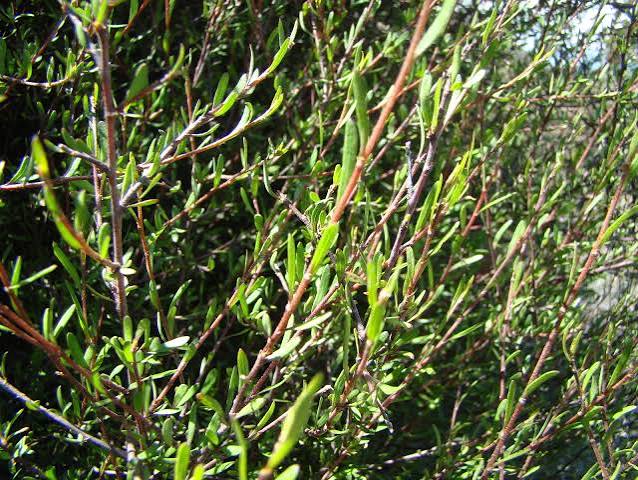
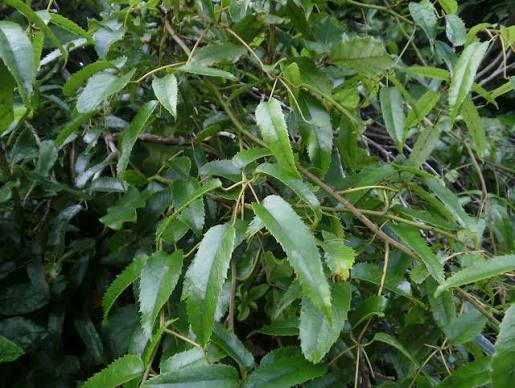
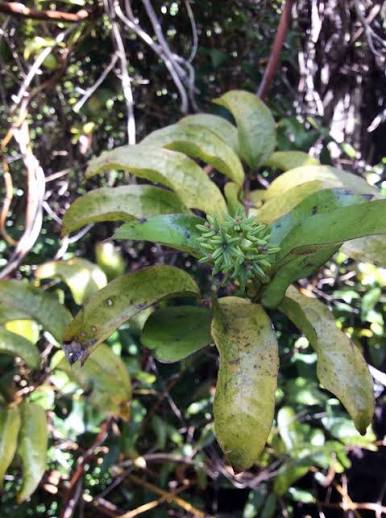
Saltmarsh ribbonwood (Plagianthus divaricatus) is a dense, spreading native shrub specially adapted to New Zealand's coastal wetlands and saltmarshes. It typically grows around 2–3 metres tall and has a highly branched, tangled form with slender, interlacing stems. Its small, narrow leaves are grey-green and often appear sparse along the branches. Small greenish to yellowish flowers are produced during spring and summer, followed by small dry fruits. Saltmarsh ribbonwood is deciduous to semi-deciduous and may lose some or all of its leaves during winter, giving established plants an especially twiggy appearance.
Habitat
Saltmarsh ribbonwood is native to New Zealand and occurs in coastal areas throughout much of the country. It is strongly associated with estuaries, tidal river margins, saltmarshes, coastal wetlands and other areas influenced by brackish or saline water. The species tolerates periodic tidal inundation, salty conditions, waterlogged soils and exposed coastal environments that many other woody native plants cannot withstand. It commonly grows around the upper margins of saltmarshes, helping form the transition between low-growing salt-tolerant vegetation and taller terrestrial vegetation.
Cultural Importance
Saltmarsh ribbonwood is also known as makaka and is part of the distinctive indigenous vegetation of New Zealand's estuaries and coastal wetlands. Plants of the ribbonwood group were recognised by Māori for their fibrous bark, which could be used for practical purposes. Today, saltmarsh ribbonwood is particularly valued for its role in restoring and protecting indigenous coastal wetland ecosystems.
Ecological Role
Saltmarsh ribbonwood plays an important role in the transition zone between terrestrial and estuarine ecosystems. Its dense network of stems and roots helps bind and stabilise soft coastal soils, while its tolerance of salt and periodic flooding allows it to establish where many other woody plants cannot survive. Dense stands provide shelter and habitat for insects, spiders and other small organisms and increase the structural complexity of saltmarsh vegetation. By occupying the upper margins of estuaries and wetlands, saltmarsh ribbonwood also contributes to natural buffers between waterways and surrounding land.
Associated Birds
Pūkeko: Pūkeko are commonly associated with wetlands, marshes and vegetated margins around waterways. Dense saltmarsh vegetation such as saltmarsh ribbonwood contributes to the sheltered habitat these birds use for feeding, resting and moving through wetland environments. Pūkeko forage on a mixture of vegetation, seeds and small animals found throughout these habitats.
Australasian Harrier/Kāhu: Kāhu frequently hunt over wetlands, estuaries and open coastal environments. Saltmarsh ribbonwood contributes to the diverse wetland vegetation that supports insects, birds and other animals within these ecosystems, creating productive hunting habitat for kāhu.
Conservation Status
Saltmarsh ribbonwood is classified as Not Threatened in New Zealand. Although the species remains widespread, the coastal wetlands and saltmarshes it inhabits have been extensively modified in many parts of the country through drainage, reclamation, development, grazing and weed invasion. Protecting remaining saltmarsh habitat is therefore important even where saltmarsh ribbonwood itself is not considered threatened.
Interesting Facts
- Saltmarsh ribbonwood is one of New Zealand's few native woody plants specially adapted to saline wetland environments.
- It can tolerate salty soils, periodic tidal flooding and waterlogged conditions.
- Its dense, interlacing branches give mature plants a distinctive tangled appearance.
- Saltmarsh ribbonwood usually grows around the upper edges of saltmarshes rather than in areas that remain permanently submerged.
- Its extensive root system helps stabilise soft soils and sediment along coastal wetland margins.
- The species is closely related to mānatu/lowland ribbonwood (Plagianthus regius), a much larger native tree.
- Saltmarsh ribbonwood is useful in ecological restoration projects involving estuaries, saltmarshes and other coastal wetlands.
Conservation Tips
Protecting estuaries, saltmarshes and coastal wetlands is essential for maintaining healthy saltmarsh ribbonwood populations and the wider communities they support. Preventing drainage and reclamation, controlling invasive weeds and excluding livestock from sensitive wetland margins can help protect existing vegetation. Saltmarsh ribbonwood can also be used in coastal restoration projects to establish native woody cover, stabilise wetland margins and restore the natural transition between saltmarsh and terrestrial vegetation.
Growing conditions
Sun
Moisture
Soil
Drainage
Frost tolerance
Wind tolerance
Coastal tolerance
What this tree gives back

Food for native birds
Fruit, seeds or nectar that feed native birds.

Supports pollinators
Flowers that sustain native bees and insects.
Erosion control
Roots that bind soil and hold slopes together.
Suits riparian planting
Thrives along stream and river margins.
Suits wetland planting
Handles the wet ground of wetland sites.
More native trees
Explore other species

Ready to plant natives?
Assess your land and discover the right planting approach for your forest.