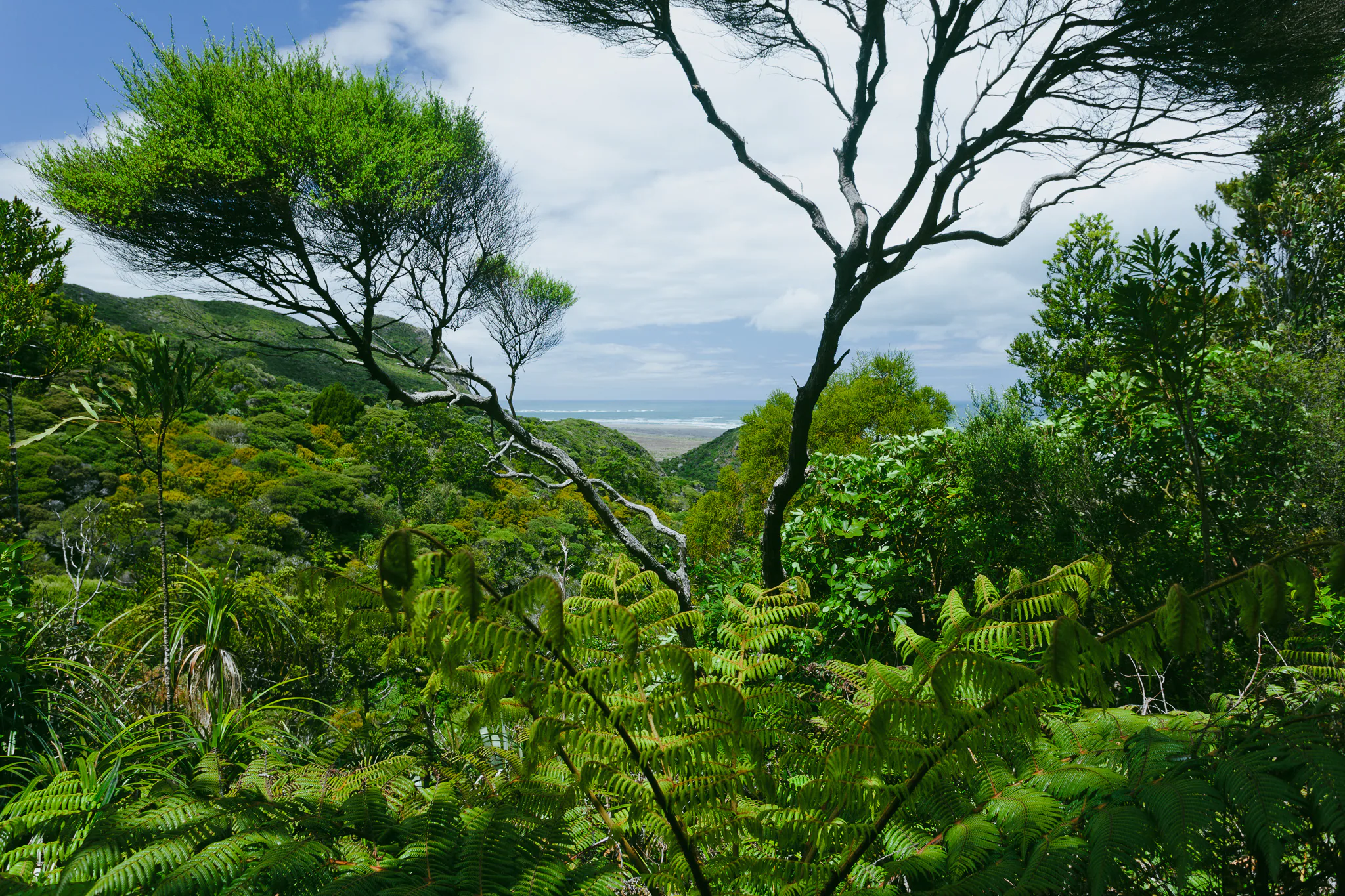
Southern Rātā
Southern rātā is a large evergreen native tree renowned for its brilliant red flowers.

What to know before you plant
The essentials — how big it gets, how fast it grows, and where it sits in the forest.
Mature height (m)
Mature spread (m)
Growth rate
Successional stage
Form
Mature DBH (cm)
Description
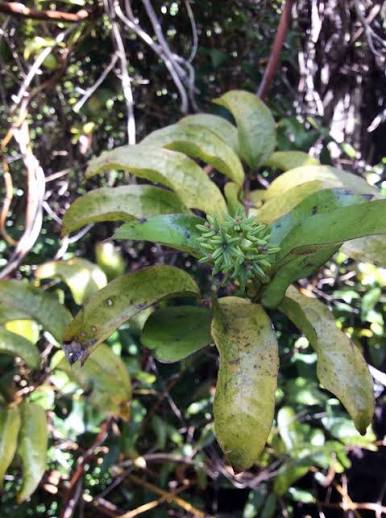
Southern rātā (Metrosideros umbellata) is a large evergreen native tree renowned for its brilliant red flowers. It can grow to around 15–25 metres tall, developing a broad, spreading crown and a sturdy trunk that may become massive with age. Its leaves are small, thick and leathery, with dark green upper surfaces and paler undersides. During summer, southern rātā produces spectacular clusters of crimson flowers dominated by numerous long stamens. These are followed by small woody capsules containing tiny seeds that are dispersed by wind. Unlike northern rātā, which often begins life growing on another tree, southern rātā usually grows directly from the ground.
Habitat
Southern rātā is endemic to New Zealand and is most widespread in the South Island, particularly along the West Coast, as well as on Rakiura/Stewart Island and several offshore and subantarctic islands. It also occurs locally in the North Island. Southern rātā grows from coastal forests into montane environments and is particularly characteristic of cool, high-rainfall regions. It occurs in native forest, on rocky slopes and ridges, and in exposed coastal environments. Its tolerance of wind, cool temperatures and high rainfall allows it to thrive in conditions experienced across much of southern and western New Zealand.
Cultural Importance
Southern rātā is an important member of the rātā and pōhutukawa group of native trees and has long been recognised by Māori for its distinctive timber and striking flowers. Rātā wood is exceptionally hard, dense and strong and was traditionally used where durable timber was required, including for tools and other implements. The flowers and appearance of rātā also make these trees a distinctive part of the ngahere. Southern rātā remains culturally and ecologically significant as one of the characteristic flowering trees of southern New Zealand forests.
Ecological Role
Southern rātā is an important canopy tree that provides food and habitat for a wide variety of native wildlife. Its spectacular flowers produce abundant nectar and pollen, attracting native birds, insects and other pollinators. Mature trees provide substantial canopy structure and shelter, while their trunks and branches can support mosses, lichens, ferns and other epiphytes. The large seasonal flowering displays of southern rātā can provide an important pulse of food within native forests during summer.
Associated Birds
Tūī: Tūī are important nectar-feeding birds and are strongly attracted to the nectar-rich flowers of rātā. During flowering, tūī move between blossoms feeding on nectar and can transfer pollen between flowers, contributing to pollination. They also forage among southern rātā foliage for insects and other invertebrates.
Korimako/Bellbird: Korimako are major nectar feeders in New Zealand forests and readily visit flowering rātā. Southern rātā's abundant summer flowers provide a valuable seasonal source of high-energy nectar. As korimako move between flowers, pollen can collect on their feathers and be transferred to other blossoms, helping pollinate the tree.
Kākā: Kākā are large native forest parrots with a varied diet that includes nectar, fruit, seeds and invertebrates. They can visit flowering rātā to feed on nectar and may move through the canopy searching for insects and other foods. Mature southern rātā forest also contributes to the complex old-growth habitat used by kākā.
Tauhou/Silvereye: Tauhou are small, active birds that feed on nectar, fruit and insects. They may visit southern rātā during flowering to feed on nectar and forage among the foliage for small invertebrates. Their movements between flowers can also contribute to pollination.
Conservation Status
Southern rātā is not considered nationally threatened, but many populations are vulnerable to browsing by introduced brushtail possums. Possums feed heavily on rātā leaves, buds and flowers and can repeatedly defoliate mature trees. Severe and sustained browsing can eventually kill large trees and alter the structure of rātā-dominated forests. Southern rātā populations can recover strongly where effective possum control is maintained.
Interesting Facts
- Southern rātā is endemic to New Zealand, meaning it occurs naturally nowhere else in the world.
- It belongs to the same genus as pōhutukawa and northern rātā.
- Its brilliant crimson flowers can cover large portions of the canopy during summer, creating spectacular displays across native forests.
- Southern rātā usually begins life on the ground, unlike northern rātā, which frequently begins as an epiphyte high in another tree.
- Individual trees can grow to around 25 metres tall and develop massive trunks as they mature.
- Southern rātā is particularly characteristic of the cool, wet forests of the western South Island.
- Its flowers are rich in nectar and provide an important seasonal food source for native nectar-feeding birds and insects.
- Introduced possums can cause severe damage by repeatedly browsing the foliage, and possum control can result in dramatic improvements in flowering and canopy health.
Conservation Tips
Controlling introduced possums is one of the most important actions for protecting southern rātā. Reducing browsing pressure allows damaged trees to recover, produce healthy foliage and flower successfully. Protecting mature native forests and controlling other introduced browsers and invasive plants also supports natural regeneration. Where southern rātā occurs in restoration areas, retaining mature trees and encouraging seedlings helps preserve an important source of nectar, shelter and habitat for native wildlife.
Growing conditions
Sun
Moisture
Soil
Drainage
Frost tolerance
Wind tolerance
Coastal tolerance
What this tree gives back

Food for native birds
Fruit, seeds or nectar that feed native birds.
Supports pollinators
Flowers that sustain native bees and insects.
Erosion control
Roots that bind soil and hold slopes together.
Suits riparian planting
Thrives along stream and river margins.

Suits wetland planting
Handles the wet ground of wetland sites.
More native trees
Explore other species

Ready to plant natives?
Assess your land and discover the right planting approach for your forest.