Tātarāmoa
Tātarāmoa, commonly known as bush lawyer, is a vigorous native climbing plant with long, flexible stems armed with sharp, backward-curving prickles
What to know before you plant
The essentials — how big it gets, how fast it grows, and where it sits in the forest.
Mature height (m)
Growth rate
Successional stage
Form
Description
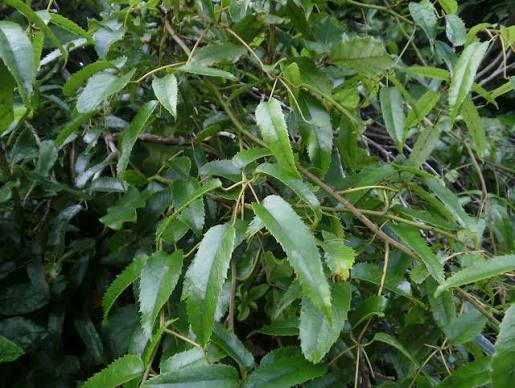
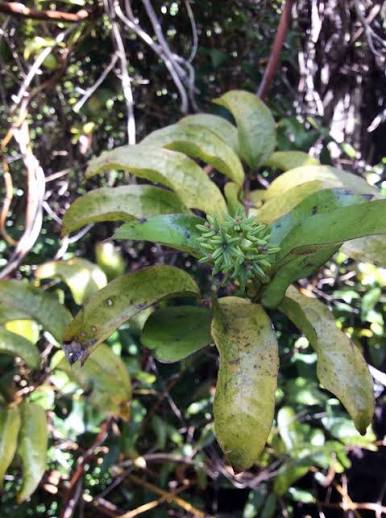
Tātarāmoa (Rubus cissoides), commonly known as bush lawyer, is a vigorous native climbing plant with long, flexible stems armed with sharp, backward-curving prickles. These hooks allow the plant to scramble over shrubs and climb high into surrounding trees, sometimes forming dense tangles of vegetation. Its leaves are divided into several toothed leaflets and can vary considerably in shape. Tātarāmoa produces clusters of small white flowers, followed by yellow to orange-red berries made up of numerous small fleshy segments. Mature vines can climb 10 metres or more into the forest canopy.
Habitat
Tātarāmoa is endemic to New Zealand and is widespread throughout the North Island, South Island and Rakiura/Stewart Island. It is commonly found in lowland and montane forests, forest margins, shrublands, gullies and regenerating native vegetation. It is particularly noticeable along forest edges and in areas where disturbance has created openings and increased light. Tātarāmoa uses surrounding vegetation for support, climbing through shrubs and trees to reach brighter parts of the forest.
Cultural Importance
Tātarāmoa has a history of traditional use by Māori. The fruit was eaten, while parts of the plant were also used in traditional remedies. Its strong, flexible stems and distinctive hooked prickles made it a well-recognised plant of the ngahere. The common English name "bush lawyer" refers humorously to the plant's hooked prickles, which readily catch onto clothing and can be difficult to escape once entangled.
Ecological Role
Tātarāmoa contributes to the structural diversity of native forests by forming climbing and scrambling vegetation from the understorey into the canopy. Its flowers provide food for visiting insects, while its fleshy berries are eaten by native birds, which can help disperse the seeds through the forest. Dense growth also creates cover and habitat for insects and other small forest organisms. Tātarāmoa can be particularly abundant in regenerating forest and disturbed areas, where its vigorous growth allows it to take advantage of increased light.
Associated Birds
Kererū: Kererū are large native pigeons and important seed dispersers in New Zealand forests. They feed on a wide variety of native fruits, including the fleshy berries produced by tātarāmoa. Seeds carried or passed by kererū can be dispersed away from the parent plant, helping native vegetation regenerate.
Tūī: Tūī are highly adaptable native forest birds that feed on nectar, fruit and insects. They may feed on the berries of tātarāmoa when fruit is available and also forage for insects among dense forest vegetation.
Korimako/Bellbird: Korimako are native honeyeaters that feed on nectar, fruit and invertebrates. They can make use of fruiting native plants such as tātarāmoa and move between forest vegetation while searching for seasonal food.
Tauhou/Silvereye: Tauhou are small, active birds with a varied diet of fruit, nectar and insects. They can feed on small native berries and forage among the tangled stems and foliage of tātarāmoa for insects and other invertebrates.
Conservation Status
Tātarāmoa is classified as Not Threatened in New Zealand. It is widespread and can be common in native forests, shrublands and regenerating vegetation. Its ability to climb vigorously and establish in disturbed areas allows it to persist successfully across a wide range of suitable habitats.
Interesting Facts
- Tātarāmoa is endemic to New Zealand, meaning it occurs naturally nowhere else in the world.
- It belongs to the same genus, Rubus, as raspberries and blackberries.
- Its backward-curving prickles act like climbing hooks, allowing the stems to pull themselves through surrounding vegetation.
- Tātarāmoa can climb more than 10 metres into the forest canopy when suitable supporting trees are available.
- Its berries change from green to yellow or orange-red as they mature.
- The name "bush lawyer" comes from the plant's persistent hooked prickles, which readily grab onto people passing through the bush.
- Although its tangled, prickly growth can appear aggressive, tātarāmoa is a natural and valuable component of New Zealand's native forests.
Conservation Tips
Protecting native forests, forest margins and regenerating shrublands helps maintain tātarāmoa and the wildlife that uses it for food and habitat. Native climbing plants should be distinguished from invasive vines during weed control, as tātarāmoa can sometimes be mistaken for unwanted scrambling vegetation. Retaining native vines during restoration helps recreate the structural complexity of natural forests and provides additional food, shelter and habitat for native wildlife.
Growing conditions
Sun
Moisture
Soil
Drainage
Frost tolerance
Wind tolerance
Coastal tolerance
What this tree gives back

Food for native birds
Fruit, seeds or nectar that feed native birds.
Supports pollinators
Flowers that sustain native bees and insects.
Erosion control
Roots that bind soil and hold slopes together.
Suits riparian planting
Thrives along stream and river margins.

Suits wetland planting
Handles the wet ground of wetland sites.
More native trees
Explore other species

Ready to plant natives?
Assess your land and discover the right planting approach for your forest.