Whekī
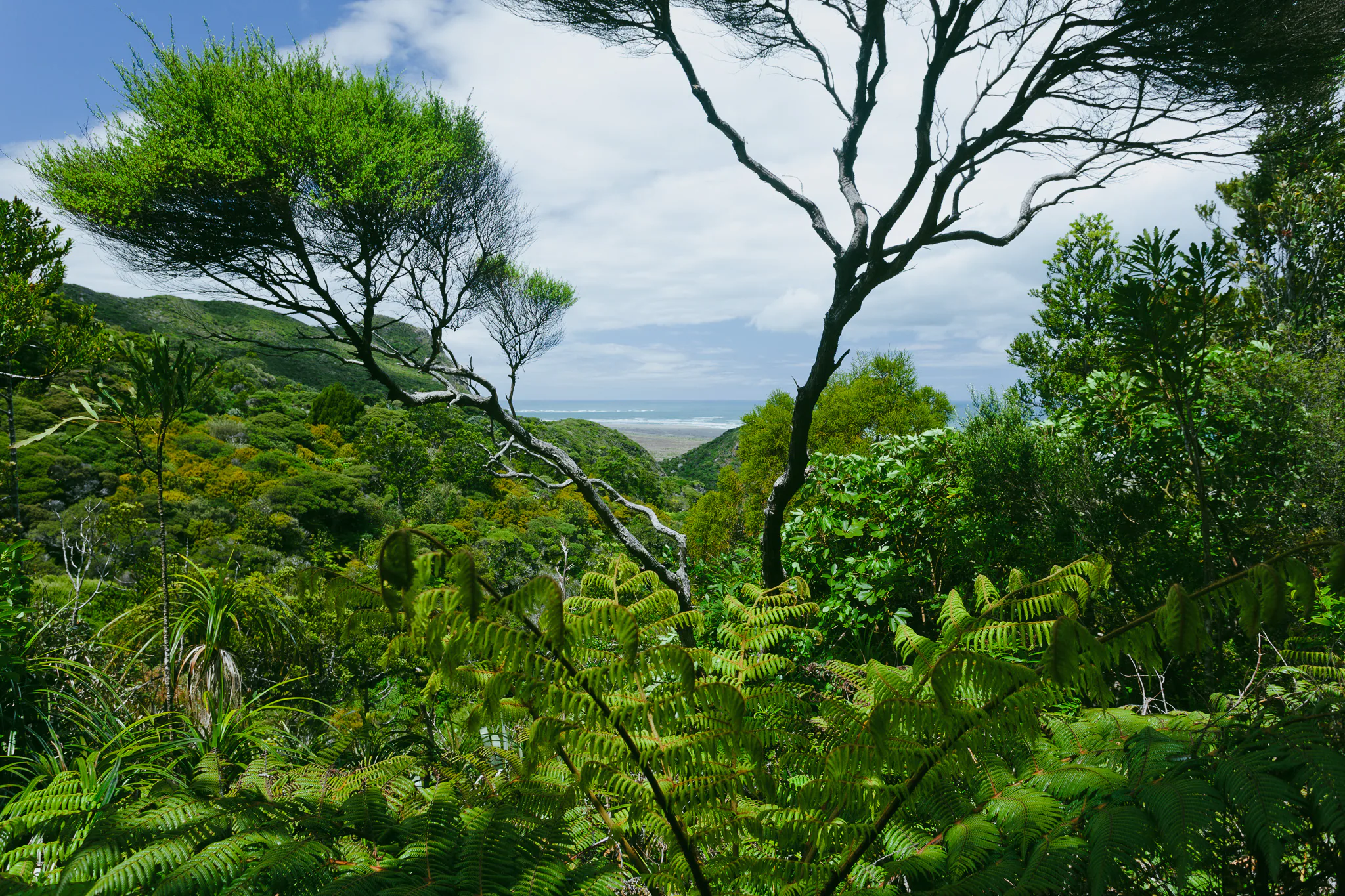
Whekī is a distinctive native tree fern that can grow up to around 8 metres tall.
What to know before you plant
The essentials — how big it gets, how fast it grows, and where it sits in the forest.
Mature height (m)
Growth rate
Successional stage
Form
Description
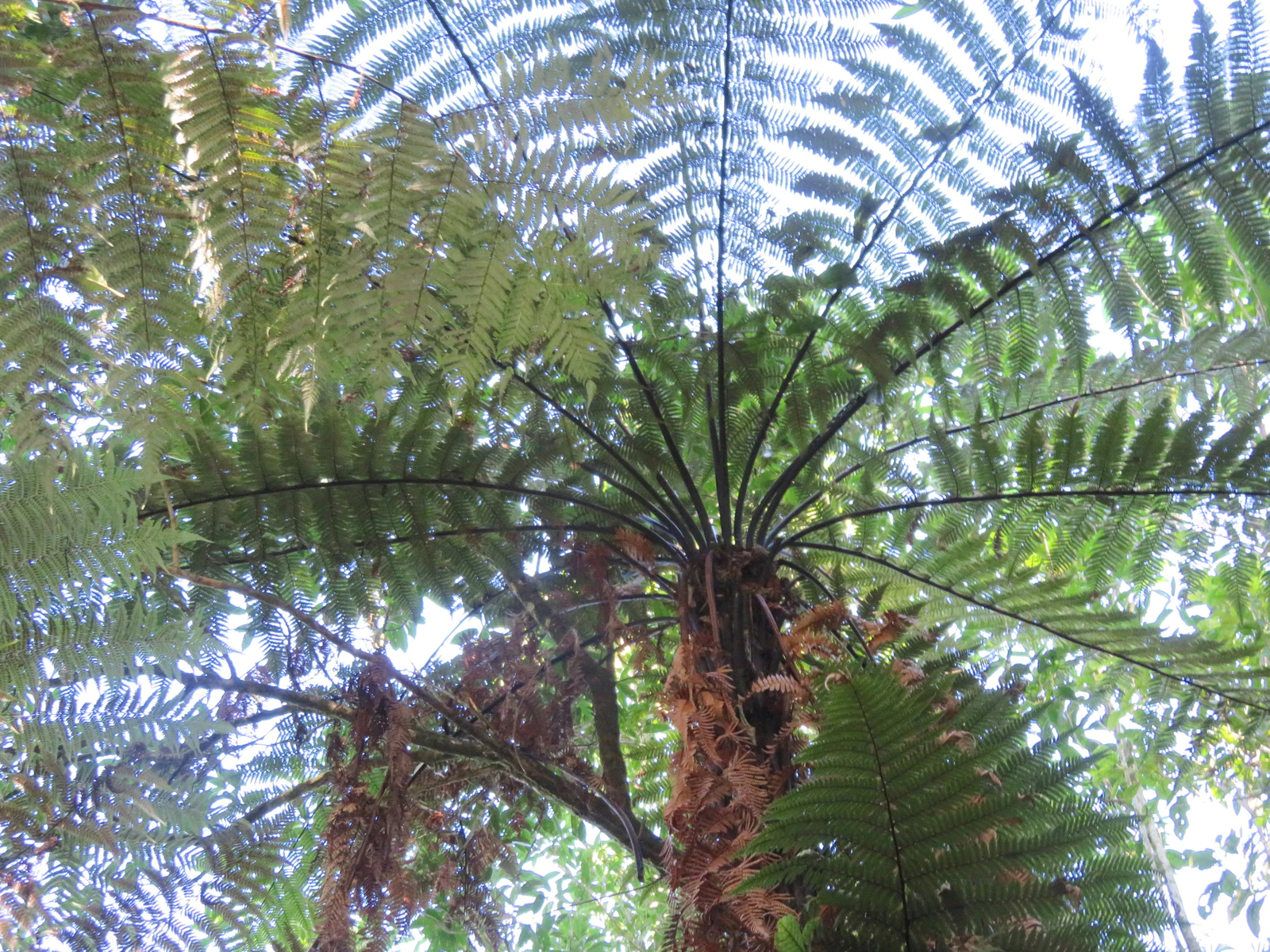
Whekī (Dicksonia squarrosa) is a distinctive native tree fern that typically grows 4–8 metres tall. It develops a slender, dark brown to almost black trunk topped by a crown of long, arching green fronds. One of its most recognisable features is the covering of persistent, peg-like bases left behind when old fronds fall from the trunk. Whekī often produces underground rhizomes that give rise to additional trunks, allowing it to form dense groves. Like all ferns, it does not produce flowers, fruit or seeds and instead reproduces through spores formed on the undersides of fertile fronds.
Habitat
Whekī is endemic to New Zealand and occurs throughout the North Island, South Island, Rakiura/Stewart Island and the Chatham Islands. It is particularly characteristic of moist lowland and montane forests, damp gullies, stream margins, swampy ground and regenerating native vegetation. Whekī prefers moist conditions and is especially successful in areas with reliable rainfall and shelter. It can establish readily after forest disturbance and may form extensive colonies in suitable damp environments.
Cultural Importance
Whekī has long been recognised and used within mātauranga Māori. Tree ferns provided a range of practical materials, and whekī trunks were used in structures and other applications where their fibrous, relatively durable form was useful. Tree fern material was also associated with the construction of traditional buildings and food-storage structures. Today, whekī remains an important and highly recognisable component of New Zealand's native forests and is frequently used in ecological restoration and landscaping.
Ecological Role
Whekī is an important understorey and subcanopy species in moist native forest. Its broad crown of fronds creates shade and helps maintain humid conditions beneath the forest canopy, while its trunks provide surfaces on which mosses, lichens, ferns and other epiphytes can establish. Dense whekī groves create sheltered habitat for insects and other small organisms. Whekī is also important during forest regeneration because it can establish relatively quickly following disturbance and create sheltered conditions that allow other native forest species to establish.
Associated Birds
Riroriro/Grey Warbler: Riroriro forage among whekī fronds and surrounding understorey vegetation for caterpillars, spiders and other small invertebrates. The humid, structurally complex habitat created by tree ferns supports abundant insect life and provides useful feeding and sheltering habitat.
Pīwakawaka/Fantail: Pīwakawaka frequently forage around tree fern crowns, capturing small flying insects disturbed from or attracted to the foliage. Whekī groves create sheltered, insect-rich environments that provide particularly useful feeding habitat within damp native forest.
Miromiro/Tomtit: Miromiro search trunks, fronds and nearby forest vegetation for insects and other invertebrates. Whekī contributes to the complex understorey structure that provides feeding and perching opportunities for these insectivorous native birds.
Kākāriki: In forests where kākāriki occur, tree ferns such as whekī contribute to a diverse foraging environment. Kākāriki search native vegetation for seeds, buds, plant material and invertebrates and can forage among fern crowns and epiphyte-covered trunks.
Kererū: Whekī does not produce fleshy fruit, so it is not a direct fruit source for kererū. However, tree-fern-rich forest contributes to the sheltered, structurally diverse habitat used by kererū. Whekī trunks can also provide establishment sites for other native plants, increasing the diversity of vegetation within mature forest.
Conservation Status
Whekī is classified as Not Threatened in New Zealand and remains widespread within suitable native forest habitat. Its ability to spread through rhizomes and form colonies can make it locally abundant. However, wet forest clearance, drainage, browsing animals, invasive plants and changes to forest moisture can reduce local populations and prevent successful regeneration.
Interesting Facts
- Whekī is endemic to New Zealand, meaning it occurs naturally nowhere else in the world.
- It can grow to around 8 metres tall, making it one of New Zealand's prominent tree fern species.
- Old frond bases remain as distinctive hard pegs along the trunk, providing a useful identification feature.
- Whekī can spread through underground rhizomes and produce multiple trunks, sometimes forming extensive groves.
- It reproduces through spores rather than flowers, fruit or seeds.
- Its fibrous trunks provide excellent surfaces for mosses, lichens, ferns and other epiphytes.
- Native plants such as kāmahi can sometimes establish on tree fern trunks before developing roots toward the ground.
- Whekī is particularly associated with moist forests, gullies, wetlands and regenerating vegetation.
- Its ability to establish after disturbance makes it an important component of native forest recovery.
Conservation Tips
Protecting moist forests, gullies, streams and wetland margins is important for maintaining healthy whekī populations. Restoration sites should retain shade and soil moisture wherever possible, as tree ferns are sensitive to prolonged drying. Controlling browsing animals and invasive weeds helps young plants establish, while retaining old tree fern trunks provides valuable habitat for mosses, lichens, epiphytes and invertebrates. In restoration projects, whekī can be combined with native canopy trees, shrubs and ground ferns to recreate the humid, layered structure characteristic of healthy native forest.
Growing conditions
Sun
Moisture
Soil
Drainage
Frost tolerance
Wind tolerance
Coastal tolerance
What this tree gives back

Food for native birds
Fruit, seeds or nectar that feed native birds.
Supports pollinators
Flowers that sustain native bees and insects.

Erosion control
Roots that bind soil and hold slopes together.
Suits riparian planting
Thrives along stream and river margins.
Suits wetland planting
Handles the wet ground of wetland sites.
More native trees
Explore other species

Ready to plant natives?
Assess your land and discover the right planting approach for your forest.