Yellow-Eyed Penguin
The Yellow-eyed Penguin have a unique appearance with distinctive yellow eye stripes extending from the eyes.

Physical Description
The Hoiho, or Yellow-eyed Penguin, is a medium-sized penguin species. They have a unique appearance with distinctive yellow eye stripes extending from the eyes to the back of their heads. Their plumage is primarily blue-grey on the back and white on the belly.
Habitat and Range
Yellow-eyed Penguins are endemic to New Zealand and are found primarily along the southeastern coast of the South Island and on offshore islands. They inhabit coastal areas, including sandy beaches, rocky shorelines, and forested areas near the shore.
Feeding Habits
Yellow-eyed Penguins are mainly piscivorous, meaning they feed on fish. They primarily hunt small fish species, such as opal fish, sprat, and red cod. They forage at sea and can dive to extreme depths in search of prey.
Breeding and Nesting
Yellow-eyed Penguins have a unique breeding behaviour compared to other penguin species. They typically breed in dense coastal forest areas rather than in large colonies. They construct nests on the ground or among vegetation and lay one to two eggs. Both parents take turns incubating the eggs and caring for the chicks.
Conservation Status
Yellow-eyed Penguins are one of the world's rarest penguin species and are listed as endangered. Their populations have significantly declined due to various threats, including habitat degradation, predation by introduced species, diseases, and human disturbance.
Trees and Plant Preferences
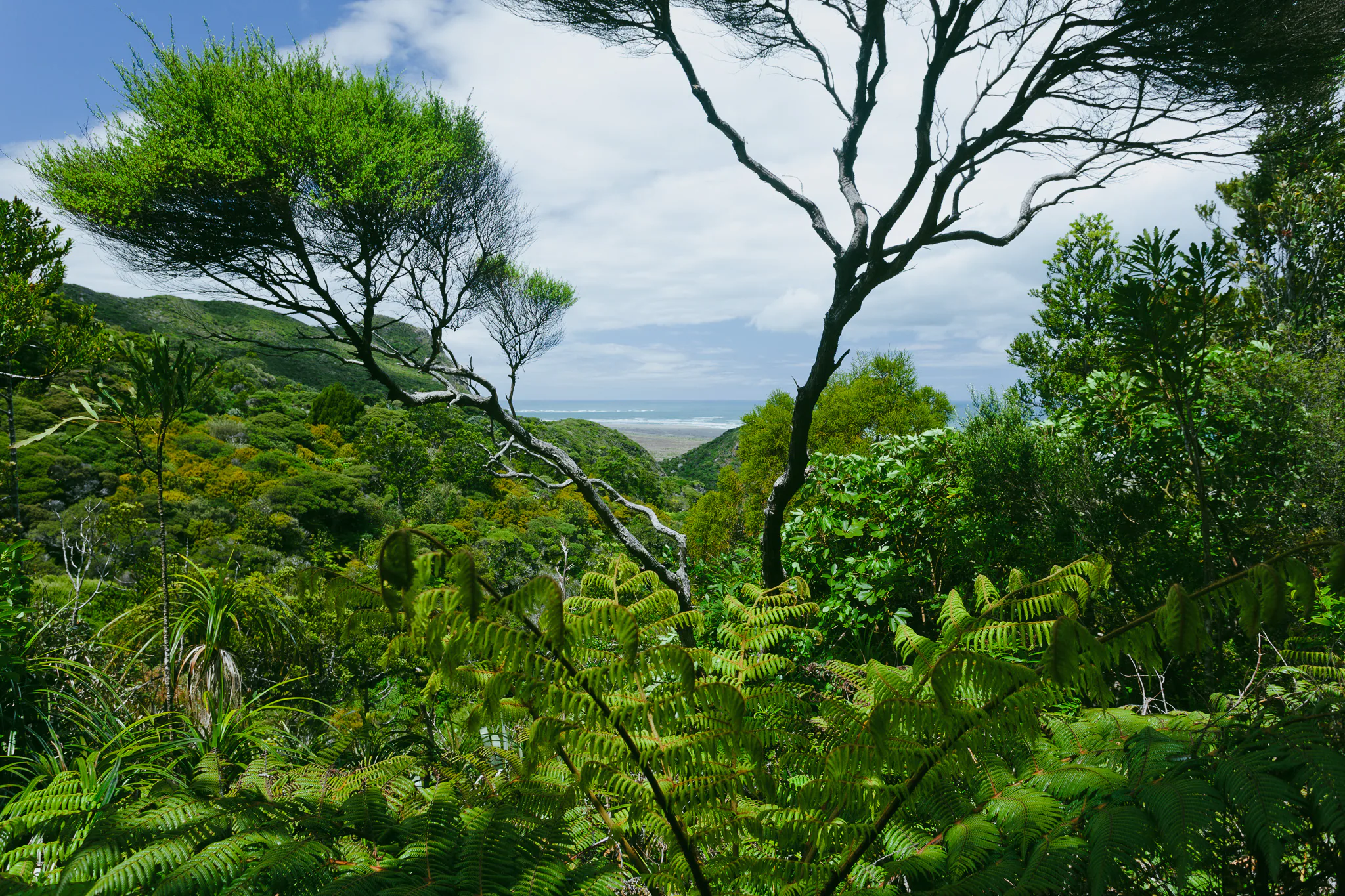
Yellow-eyed Penguins are not explicitly attracted to trees for feeding or nesting purposes. However, the coastal forest areas near their breeding sites provide essential shelter and protection for their nests.
Interesting Facts
Yellow-eyed Penguins are known for their distinctive yellow eyes, which contribute to their name. They are also known for their long lifespan, with individuals sometimes living over 20 years. Additionally, they are known for their distinctive behaviour on land, often waddling upright and making unique braying vocalisations.
More native birds
Explore other species


Want these birds on your land?
We'll build you a planting plan around the natives that feed and shelter them, matched to your land and goals.