Kāpuka
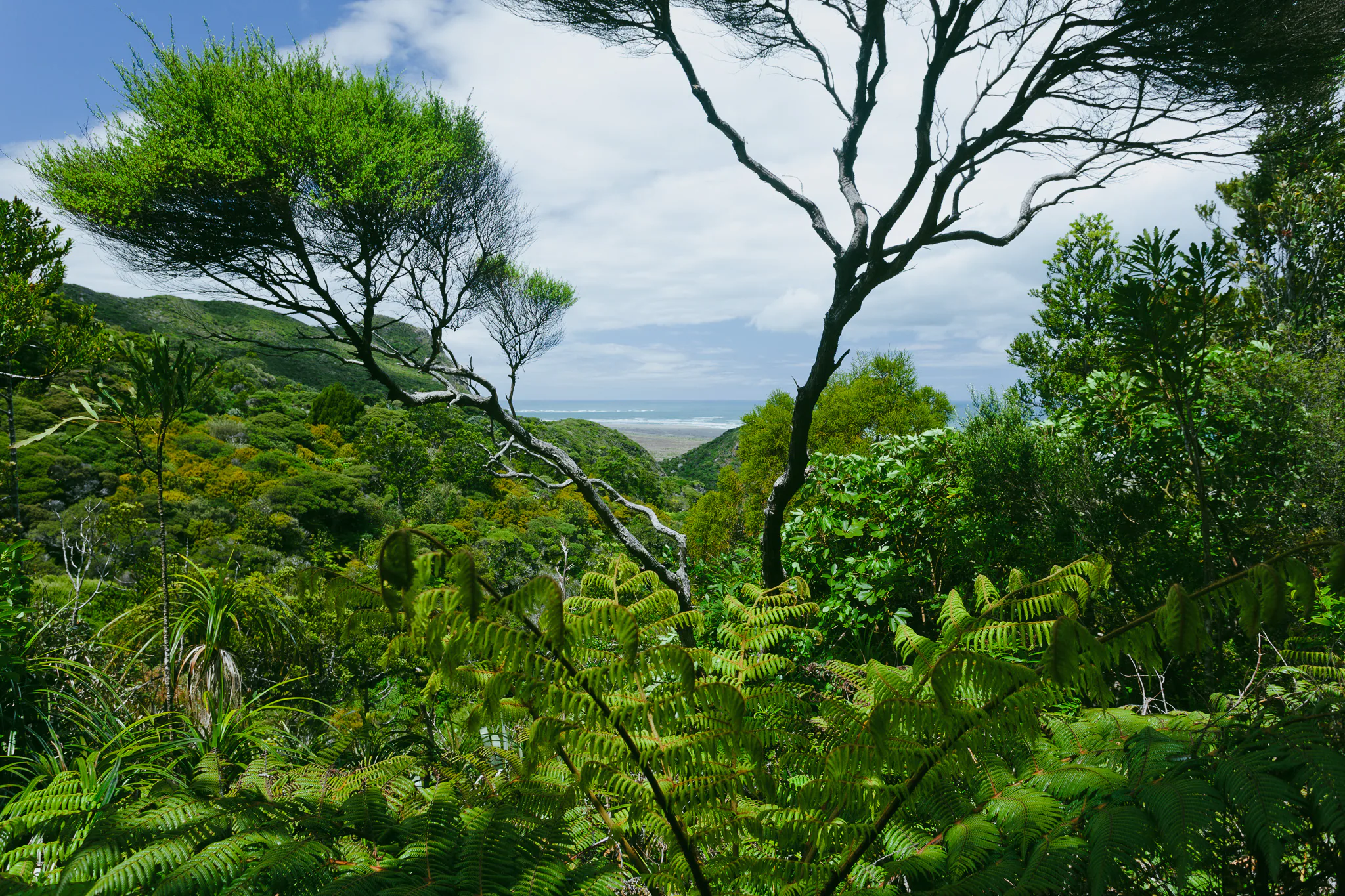
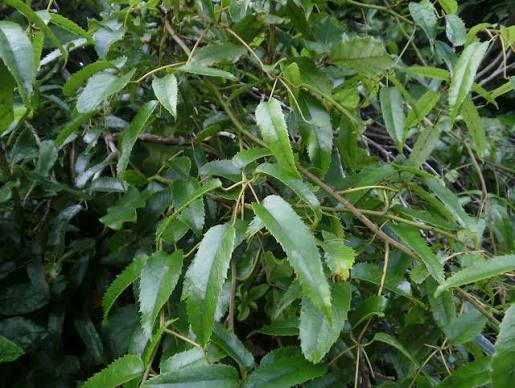
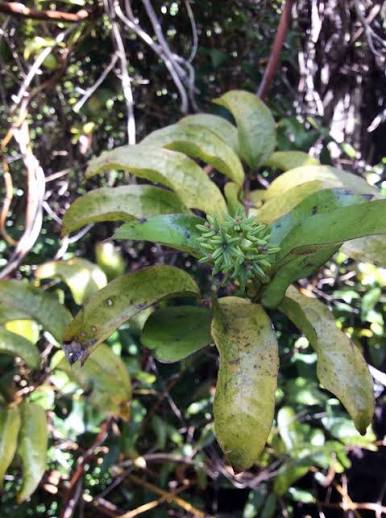
Kāpuka is a small to medium-sized evergreen tree or shrub native to New Zealand. It can grow up to 10-15 meters in height. The leaves are leathery, oval-shaped, and have a glossy, dark green colour.

What to know before you plant
The essentials — how big it gets, how fast it grows, and where it sits in the forest.
Mature height (m)
Mature spread (m)
Successional stage
Form
Mature DBH (cm)
Description
Kāpuka, also known as Griselinia littoralis, is a small to medium-sized evergreen tree or shrub native to New Zealand. It can grow up to 10-15 meters in height. The leaves are leathery, oval-shaped, and have a glossy, dark green colour.
Habitat
Kāpuka is found in various habitats throughout New Zealand, including forests, coastal areas, and cliffs. It can tolerate a range of soil conditions.
Cultural Importance
Kāpuka has cultural significance to Māori. The leaves were traditionally used for making ceremonial wreaths and garlands. The plant is also associated with protection and spiritual connections.
Ecological Role
Kāpuka provides habitat and food for native birds, insects, and other wildlife. Its dense foliage helps provide shelter and shade in native ecosystems.
Associated Birds
Tui: Tui are attracted to the nectar-rich flowers of Kapuka trees, and their distinctive calls can often be heard in these areas.
Kākāriki: Kākāriki might consume the berries of Kapuka trees as part of their diet.
Silvereye: Silvereyes feed on insects and nectar, and they could be seen around Kapuka trees.
canFantail: Fantails are skilled insect catchers and could be observed hunting insects around Kapuka trees.
Bellbird: Bellbirds are known for their melodious songs and their attraction to nectar-rich flowers, including those of Kapuka trees.
Grey Warbler: These tiny birds might forage for insects in the foliage of Kapuka trees.
Tomtit: Tomtits could be seen searching for insects on Kapuka trees.
Morepork (Ruru): While primarily nocturnal, Ruru might use Kapuka trees for roosting during the day.
Conservation Status
Kāpuka is not currently listed as a threatened species. However, local populations can be impacted by habitat loss, browsing by introduced pests, and competition with invasive species.
Interesting Facts
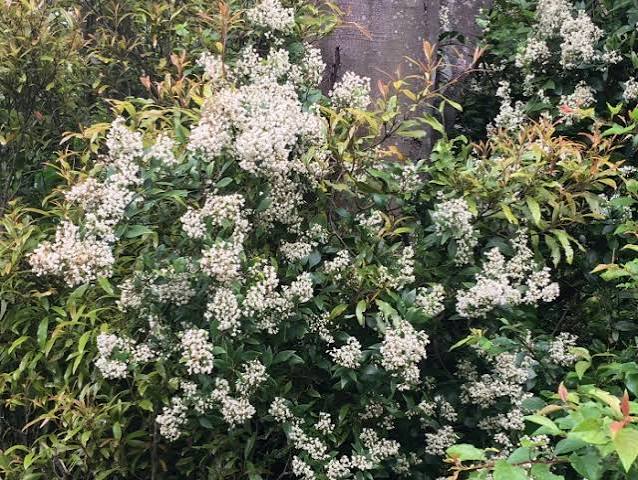
- Kāpuka produces clusters of small, greenish-yellow flowers that are followed by black fruit.
- The tree has a dense growth habit and can be used for hedging and landscaping purposes.
Conservation Tips
To support the conservation of Kāpuka and other native plants, you can plant native trees in your area, participate in local restoration projects, and avoid the spread of invasive species.
Growing conditions
Moisture
Soil
Drainage
Frost tolerance
Wind tolerance
Coastal tolerance
What this tree gives back

Food for native birds
Fruit, seeds or nectar that feed native birds.
Supports pollinators
Flowers that sustain native bees and insects.
Erosion control
Roots that bind soil and hold slopes together.
Suits riparian planting
Thrives along stream and river margins.

Suits wetland planting
Handles the wet ground of wetland sites.
More native trees
Explore other species

Ready to plant natives?
Assess your land and discover the right planting approach for your forest.